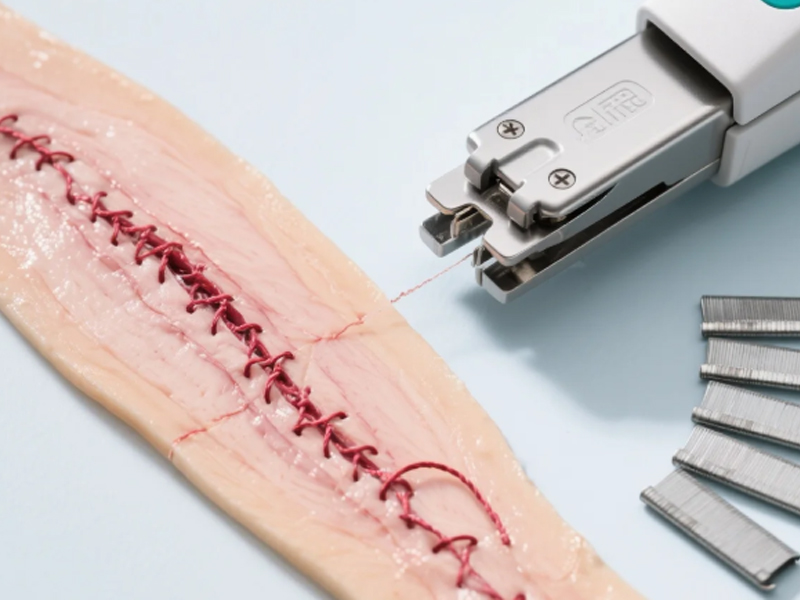
Surgical staplers are widely used in modern medicine to close wounds, connect tissues, and improve surgical efficiency with high precision. They help reduce operation time, minimize blood loss, and ensure consistent closure compared to traditional suturing methods. Today, they are a standard tool in both minimally invasive and open surgeries, playing a crucial role in improving patient safety and recovery outcomes.
Understanding the role of a stapler in surgery is essential for medical professionals and healthcare institutions. These devices offer controlled tissue approximation, reduce complications, and support faster healing, making them indispensable in a wide range of surgical procedures.
What Is a Surgical Stapler and Why Is It Important?
A surgical stapler is a medical device designed to close incisions or connect internal tissues using sterile staples instead of traditional sutures. It is engineered for precision, speed, and reliability in surgical environments.
The device works by placing rows of staples into tissue while ensuring proper alignment and compression. Some advanced models also include cutting mechanisms, allowing surgeons to simultaneously divide and seal tissue in one smooth action.
This combination of efficiency and accuracy has made surgical staplers a preferred choice in modern operating rooms around the world.
Types of Surgical Staplers Used in Medicine
Different surgical procedures require different types of staplers, each designed for specific medical needs.
Linear Staplers
Linear staplers are used to create straight staple lines. They are commonly applied in gastrointestinal and thoracic surgeries where tissue resection is required.
Circular Staplers
Circular staplers are used in end-to-end connections, particularly in colorectal and digestive surgeries. They ensure secure and uniform tissue joining.
Endoscopic Staplers
Endoscopic staplers are designed for minimally invasive procedures. They are inserted through small incisions and allow surgeons to operate with precision in confined spaces.
Skin Staplers
Skin staplers are used for external wound closure. They are commonly used in emergency medicine and trauma care due to their speed and efficiency.
Key Benefits of Using Surgical Staplers
Surgical staplers offer numerous advantages that make them a valuable tool in healthcare settings.
Faster Surgical Procedures
Staplers significantly reduce the time required for wound closure, allowing surgeons to complete procedures more efficiently.
Improved Accuracy and Consistency
Unlike manual suturing, staplers provide uniform closure with consistent tension, reducing the risk of human error.
Reduced Risk of Complications
By ensuring secure tissue sealing, staplers help minimize bleeding, leakage, and infection risks.
Better Healing Outcomes
Accurate tissue alignment promotes faster and more effective healing, improving overall patient recovery.
Applications of Surgical Staplers in Healthcare
Surgical staplers are used in a wide range of medical specialties due to their versatility and reliability.
Gastrointestinal Surgery
Staplers are commonly used in stomach and intestinal surgeries to ensure secure tissue connection and resection.
Thoracic Surgery
In lung and chest procedures, staplers help seal tissues and blood vessels efficiently.
Gynecological Surgery
They are used in reproductive system surgeries where precision and minimal tissue damage are required.
General Surgery
From routine operations to complex procedures, staplers are essential tools in general surgical practice.
Important Considerations When Using Surgical Staplers
Using surgical staplers effectively requires attention to several key factors.
Device Selection
Choosing the right type of stapler is critical for achieving optimal surgical results.
Tissue Compatibility
Different tissues require different staple sizes and compression levels for effective closure.
Surgeon Expertise
Proper training and experience are necessary to ensure safe and accurate usage.
Safety Features
Modern staplers include mechanisms that prevent misfires and ensure proper staple formation.
Technological Advancements in Surgical Stapling
Modern surgical staplers have evolved significantly due to advancements in medical technology.
Powered Stapling Systems
Powered staplers reduce manual effort and improve precision during complex procedures.
Smart Feedback Systems
Some advanced devices provide real-time feedback on tissue compression and staple formation.
Enhanced Ergonomics
Modern designs improve comfort and reduce fatigue during long surgical procedures.
Improved Materials
High-quality materials enhance durability and ensure consistent performance in demanding environments.
Challenges in Surgical Stapling Procedures
Despite their advantages, surgical staplers must be used carefully to avoid complications.
Incorrect Device Usage
Improper handling can lead to misfires or incomplete closure.
Inappropriate Stapler Selection
Using the wrong stapler type can negatively affect surgical outcomes.
Cost Factors
High-quality staplers may be expensive, but they provide long-term value through reduced complications.
Why Quality Matters in Surgical Staplers
In healthcare, quality directly impacts patient safety and surgical success. Low-quality staplers can lead to serious complications such as leakage, infection, or improper wound closure.
High-quality staplers ensure consistent performance, reducing risks and improving recovery outcomes. Investing in reliable surgical tools is essential for maintaining high medical standards.
Future of Surgical Stapler Technology
The future of surgical stapling is driven by innovation and technological advancement. Key trends include:
- Integration with robotic-assisted surgical systems
- Development of fully automated stapling devices
- Real-time digital feedback systems for precision control
- Eco-friendly and sustainable manufacturing practices
These innovations are expected to make surgical procedures safer, faster, and more efficient in the coming years.
Conclusion
Surgical staplers have transformed modern surgical practices by offering speed, precision, and reliability in wound closure and tissue connection. Their use across multiple medical specialties highlights their importance in today’s healthcare system.
By understanding their types, benefits, and applications, healthcare professionals can make informed decisions that improve surgical outcomes. As technology continues to evolve, surgical staplers will remain a vital tool in delivering safe and effective patient care.

George is the voice behind Wisdomised, a news blog dedicated to delivering fresh, engaging stories that keep readers both informed and entertained. With a sharp eye for current events and trending topics, George crafts posts that make complex news accessible and enjoyable. His unique perspective and storytelling skills bring a refreshing twist to every update, inviting readers to explore the world through Wisdomised.