The global demand for processed fruit products is rising rapidly, driven by changing consumer preferences, growth in the food and beverage industry, and increasing exports. Among various agro-processing ventures, setting up a pulp processing facility stands out as a highly profitable and scalable business opportunity.
If you are an entrepreneur, food processor, or investor looking to enter this space, this complete guide will walk you through how to start a profitable pulp plant, covering market potential, investment planning, machinery selection, operations, and profitability factors.
Understanding the Pulp Processing Business
Fruit pulp is widely used in juices, beverages, ice creams, baby food, bakery products, dairy items, and ready-to-eat foods. Fruits such as mango, guava, banana, papaya, tomato, and pineapple are commonly processed into pulp due to their high demand and shelf-life extension benefits.
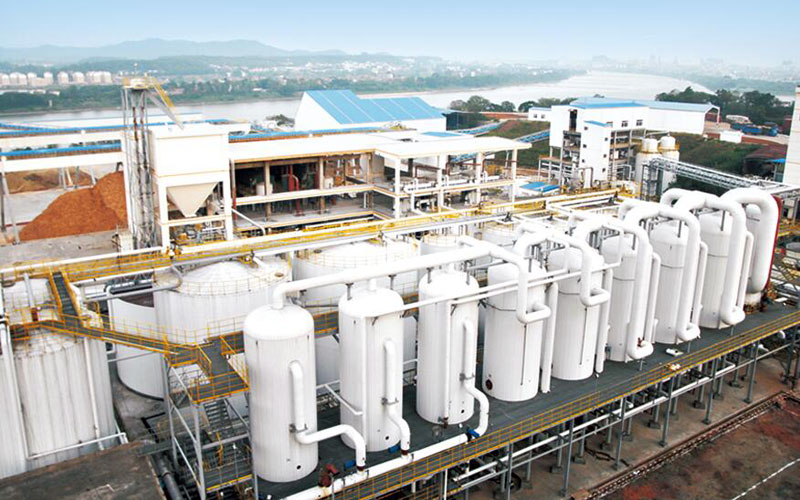
A pulp processing unit converts fresh fruits into semi-finished or finished pulp using washing, pulping, refining, pasteurization, and packaging processes. This not only reduces post-harvest losses but also adds significant value to agricultural produce.
Step 1: Market Research and Product Selection
Before investing, thorough market research is essential. Consider the following factors:
- Demand Analysis: Identify fruits with strong domestic and export demand. Mango pulp, for example, has a global market.
- Target Customers: Beverage companies, dairy brands, exporters, food processors, and institutional buyers.
- Competition Study: Analyze existing players, pricing, packaging formats, and quality standards.
- Export Opportunities: Research international markets and compliance requirements.
Selecting the right fruit pulp based on availability and demand directly impacts profitability.
Step 2: Business Model and Investment Planning
A profitable pulp processing business requires a clear financial plan. Key cost components include:
- Land and building
- Machinery and equipment
- Raw material procurement
- Utilities (water, power, steam)
- Labor and operational costs
- Packaging and logistics
Initial investment varies depending on plant capacity, automation level, and product range. Small to medium-scale units can be started with moderate capital, while export-oriented plants require higher investment but offer better margins.
Preparing a detailed project report and ROI analysis will help secure bank loans or government subsidies.
Step 3: Location and Infrastructure Setup
Choosing the right location is critical for operational efficiency and cost control. Ideal locations are:
- Close to fruit-growing regions to reduce raw material transportation costs
- Accessible to highways, ports, or export hubs
- Equipped with reliable water and power supply
Adequate infrastructure should include raw material storage, processing hall, cold storage (if required), finished goods storage, and waste management systems.
Step 4: Machinery and Equipment Selection
The success of your plant depends heavily on the quality and efficiency of machinery. Typical equipment includes:
- Fruit washer and sorting conveyor
- Pulper and refiner
- Pasteurizer or sterilizer
- Storage tanks
- Filling and packaging machines
- CIP (Clean-in-Place) systems
Working with an experienced pulper plant manufacturer ensures you receive properly engineered machines, optimized layouts, and reliable after-sales support. Customized solutions help improve yield, hygiene, and energy efficiency.
Step 5: Automation and Food Safety Compliance
Modern pulp plants are increasingly automated to improve productivity and maintain consistent quality. Automation helps in:
- Reducing manpower dependency
- Minimizing contamination risks
- Improving process control
- Enhancing traceability
Compliance with food safety standards such as FSSAI, ISO 22000, HACCP, BRC, or FDA is essential—especially if you plan to export. A professional pulp plant supplier can guide you through compliance-ready designs and documentation support.
Step 6: Raw Material Procurement and Season Planning
Fruit availability is seasonal, so strategic sourcing is vital. Successful processors:
- Build strong relationships with farmers and suppliers
- Purchase fruits in bulk during peak seasons
- Use cold storage or aseptic packaging to extend shelf life
- Plan production cycles efficiently
Efficient raw material management directly affects pulp quality and profit margins.
Step 7: Packaging and Storage Strategy
Packaging plays a major role in market acceptance and shelf life. Common pulp packaging options include:
- Aseptic bags-in-drum
- Tin cans
- Pouches
- Bulk containers
Export markets usually prefer aseptic packaging due to its long shelf life without preservatives. Proper storage conditions help maintain color, flavor, and nutritional value.
Step 8: Marketing and Sales Strategy
To build a profitable business, a strong sales strategy is essential. Focus on:
- B2B tie-ups with beverage and dairy brands
- Export contracts and distributors
- Participation in food expos and trade fairs
- Digital marketing and company website presence
Highlighting quality certifications, consistent supply, and competitive pricing helps win long-term contracts.
Step 9: Profitability and Growth Opportunities
A well-managed pulp plant can achieve strong profitability due to:
- Value addition to raw fruits
- Year-round sales using preserved pulp
- Export-driven premium pricing
- Scope for product diversification
As the business grows, you can expand into concentrates, frozen pulp, blended fruit bases, or ready-to-drink products, increasing revenue streams.
Common Challenges and How to Overcome Them
- Seasonal raw materials: Use preservation and proper inventory planning
- Quality consistency: Invest in automation and skilled supervision
- Regulatory compliance: Work with experienced consultants and equipment providers
- Market volatility: Diversify customers and markets
With proper planning and the right partners, these challenges can be effectively managed.
Conclusion
Starting a profitable pulp plant is a smart investment in today’s growing food processing industry. With rising demand, export potential, government support, and technological advancements, the opportunities are vast.
Success depends on careful planning, choosing the right machinery, maintaining quality standards, and building strong market connections. By partnering with experienced equipment providers and focusing on operational excellence, entrepreneurs can build a sustainable and scalable pulp processing business with long-term profitability.
