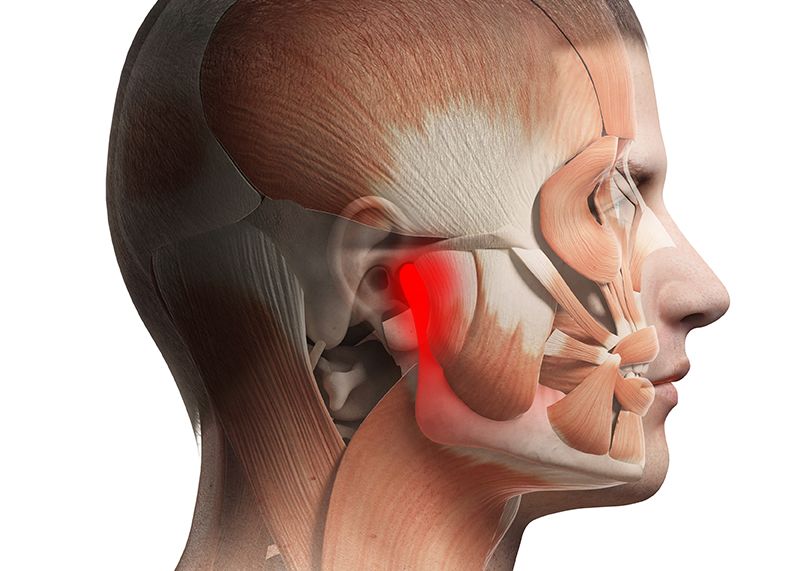
Temporomandibular joint (TMJ) disorders can cause significant discomfort, affecting the jaw, face, and even neck. Individuals suffering from TMJ pain may experience symptoms such as jaw stiffness, difficulty chewing, headaches, and clicking or popping sounds when opening or closing the mouth. Identifying the underlying cause of TMJ pain and seeking professional care from a specialized clinic can provide effective relief and improve quality of life.
Understanding the Causes of TMJ Pain
TMJ pain can result from a variety of factors, and accurate diagnosis is essential for effective treatment:
- Jaw Injuries or Trauma: Accidents or injuries that affect the jaw joint can lead to long-term TMJ issues.
- Teeth Grinding or Clenching (Bruxism): Habitual grinding or clenching of teeth places excessive stress on the jaw muscles and joints.
- Arthritis: Degenerative conditions, such as osteoarthritis, can affect the temporomandibular joint, causing pain and reduced mobility.
- Misaligned Bite or Dental Issues: Improper alignment of teeth can contribute to jaw strain and discomfort.
- Stress and Muscle Tension: Emotional stress often leads to jaw tension, aggravating TMJ symptoms.
Visiting a professional TMJ Pain Clinic ensures a thorough evaluation and proper diagnosis. Specialists have the training and equipment to differentiate TMJ pain from other facial or dental conditions, enabling targeted treatment plans for long-term relief.
Common Symptoms of TMJ Disorders
Recognizing the signs of TMJ dysfunction is important for timely intervention:
- Persistent jaw pain or tenderness
- Difficulty opening or closing the mouth fully
- Clicking, popping, or grating sounds in the jaw joint
- Headaches or earaches not caused by other conditions
- Swelling around the jaw area
- Facial discomfort or stiffness
Symptoms can vary in intensity and may worsen during periods of stress or after prolonged chewing or talking. Early assessment by a TMJ specialist helps prevent further complications.
Treatment Options for TMJ Pain
Treatment for TMJ disorders depends on the underlying cause and severity of the condition. Options commonly offered by specialized clinics include:
- Physical Therapy: Exercises to strengthen jaw muscles, improve mobility, and reduce tension.
- Dental Appliances: Mouthguards or splints help alleviate pressure on the jaw and prevent teeth grinding.
- Medication: Pain relievers, anti-inflammatory drugs, or muscle relaxants may be prescribed to manage symptoms.
- Stress Management Techniques: Relaxation exercises, meditation, or biofeedback can reduce jaw clenching caused by stress.
- Minimally Invasive Procedures: In severe cases, procedures such as joint injections or arthrocentesis may be recommended to relieve pain and improve function.
- Surgical Intervention: Surgery is considered a last resort for patients with structural damage or severe joint dysfunction.
Specialists often use a combination of these methods to achieve optimal results tailored to the patient’s needs.
Lifestyle Adjustments for TMJ Relief
Alongside professional treatment, lifestyle changes can help reduce TMJ pain and prevent flare-ups:
- Avoid Hard or Chewy Foods: Reduce strain on the jaw by eating soft foods.
- Maintain Proper Posture: Poor posture can contribute to muscle tension and exacerbate TMJ pain.
- Apply Heat or Cold Therapy: Warm compresses relax muscles, while cold packs reduce inflammation.
- Practice Relaxation Exercises: Techniques such as jaw stretches, meditation, or gentle massage can relieve tension.
- Limit Jaw Movements: Avoid excessive chewing, yawning widely, or habits that put stress on the jaw joint.
Implementing these habits can complement professional care and enhance overall treatment outcomes.
How to Choose the Right TMJ Pain Clinic
Finding a qualified clinic is crucial to ensure effective management of TMJ disorders:
- Specialized Expertise: Look for clinics that focus on TMJ and orofacial pain management.
- Comprehensive Assessment: The clinic should offer a full evaluation, including imaging and functional analysis of the jaw.
- Personalized Treatment Plans: A good clinic develops tailored treatment strategies based on the patient’s symptoms and underlying causes.
- Patient Education: Clinics that provide guidance on exercises, lifestyle adjustments, and preventive care empower patients to manage symptoms effectively.
- Positive Reviews and Referrals: Recommendations from other patients or healthcare professionals can help identify trusted clinics.
A reputable TMJ Pain Clinic combines professional expertise with patient-centered care, ensuring the best possible outcomes for individuals suffering from jaw discomfort.
Conclusion
TMJ pain can significantly impact daily life, making it essential to seek professional care from a specialized clinic. Understanding the causes, recognizing the symptoms, and exploring effective treatment options are critical steps toward relief. By combining professional interventions with lifestyle adjustments and preventive measures, patients can manage pain, restore jaw function, and improve overall well-being. Consulting a dedicated TMJ Pain Clinic ensures that patients receive expert care, accurate diagnosis, and personalized treatment strategies for long-term relief from jaw discomfort.

George is the voice behind Wisdomised, a news blog dedicated to delivering fresh, engaging stories that keep readers both informed and entertained. With a sharp eye for current events and trending topics, George crafts posts that make complex news accessible and enjoyable. His unique perspective and storytelling skills bring a refreshing twist to every update, inviting readers to explore the world through Wisdomised.