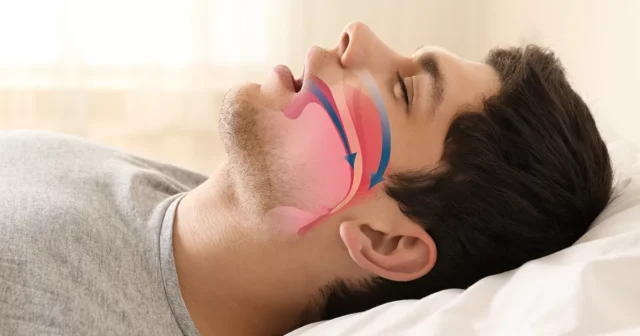
Snoring is more than a mere nighttime nuisance; it can affect sleep quality, overall health, and relationships. For individuals struggling with persistent snoring, professional intervention is essential. Snoring treatment Singapore offers expert solutions to identify causes, alleviate symptoms, and improve sleep quality.
Snoring occurs when airflow is partially blocked during sleep, causing tissues in the throat to vibrate. While occasional snoring is common, chronic snoring may indicate underlying health issues, including obstructive sleep apnea, and can lead to daytime fatigue, reduced concentration, and cardiovascular complications.
Causes of Snoring
Understanding the root causes of snoring is essential for effective treatment. Common contributing factors include:
Anatomical Factors
- Nasal Obstruction: Deviated septum, nasal polyps, or chronic congestion can restrict airflow.
- Throat and Tongue Anatomy: Enlarged tonsils, long soft palate, or a bulky tongue may block the airway during sleep.
- Jaw Alignment: Structural abnormalities in the jaw or bite can contribute to airway obstruction.
Lifestyle and Health Factors
- Obesity: Excess weight, particularly around the neck, increases pressure on the airway.
- Alcohol Consumption: Alcohol relaxes throat muscles, making airway collapse more likely.
- Smoking: Irritates nasal and throat tissues, worsening snoring.
- Sleep Position: Sleeping on the back can cause the tongue to fall backward, partially blocking the airway.
Age and Gender
- Aging: Muscle tone in the throat decreases with age, increasing snoring risk.
- Gender: Men are more likely to snore due to physiological differences in airway structure.
Symptoms and Health Implications
Snoring is often associated with more serious sleep-related conditions, such as obstructive sleep apnea. Common signs include:
- Loud, persistent snoring
- Pauses in breathing during sleep
- Gasping or choking at night
- Morning headaches and dry mouth
- Daytime fatigue, irritability, or difficulty concentrating
Left untreated, chronic snoring and sleep apnea can increase the risk of hypertension, heart disease, stroke, and diabetes.
Diagnostic Approaches
Professional evaluation is essential for determining the severity and underlying cause of snoring:
- Sleep Studies (Polysomnography): Monitors breathing, oxygen levels, heart rate, and sleep stages.
- Physical Examination: ENT specialists assess nasal passages, throat, and jaw alignment.
- Questionnaires and Sleep Diaries: Gather information about sleep patterns, lifestyle, and snoring severity.
Treatment Options for Snoring
Treatment depends on the cause, severity, and individual health profile.
Lifestyle and Behavioral Changes
- Weight Management: Reducing neck and throat fat can decrease airway obstruction.
- Positional Therapy: Sleeping on the side rather than the back may reduce snoring.
- Avoiding Alcohol and Sedatives: Minimizing substances that relax throat muscles.
- Smoking Cessation: Reduces airway irritation and improves overall respiratory health.
Medical Devices
- Continuous Positive Airway Pressure (CPAP): Delivers pressurized air to keep the airway open during sleep.
- Mandibular Advancement Devices (MADs): Customized oral appliances reposition the jaw and tongue to maintain airway openness.
- Nasal Dilators or Strips: Improve nasal airflow and reduce snoring caused by congestion or obstruction.
Surgical Interventions
For structural issues or severe cases, surgical options may be considered:
- Uvulopalatopharyngoplasty (UPPP): Removes excess tissue from the throat to widen the airway.
- Tonsillectomy and Adenoidectomy: Removal of enlarged tonsils or adenoids that block airflow.
- Septoplasty or Turbinate Reduction: Corrects deviated septum or reduces nasal obstruction.
- Radiofrequency Tissue Reduction: Minimally invasive procedure to shrink soft palate tissue and reduce vibration.
Choosing the Right Specialist
Selecting an experienced ENT specialist ensures accurate diagnosis and personalized treatment:
- Expertise in Sleep Medicine: Look for specialists familiar with snoring and sleep apnea management.
- Comprehensive Services: Clinics offering medical, device-based, and surgical options provide holistic care.
- Patient-Centric Approach: Effective communication and tailored treatment plans improve outcomes.
- Advanced Diagnostic Tools: Access to sleep studies, endoscopy, and imaging ensures precise evaluation.
Benefits of Professional Snoring Treatment
- Improved Sleep Quality: Reduces interruptions, enhancing restorative sleep for both the patient and their partner.
- Enhanced Daytime Functioning: Increases alertness, concentration, and energy levels.
- Reduced Health Risks: Early intervention prevents cardiovascular and metabolic complications.
- Long-Term Relief: Tailored treatment addresses the root cause, not just the symptoms.
Final Thoughts
Snoring treatment Singapore offers a range of solutions to address the underlying causes of snoring and improve overall health. From lifestyle modifications and medical devices to surgical interventions, professional care ensures that individuals can enjoy restful sleep and reduced health risks.
Effective snoring management not only enhances sleep quality but also supports cardiovascular health, cognitive function, and overall well-being. By seeking expert evaluation and treatment, individuals can achieve long-term relief from snoring and enjoy a healthier, more energized lifestyle.

George is the voice behind Wisdomised, a news blog dedicated to delivering fresh, engaging stories that keep readers both informed and entertained. With a sharp eye for current events and trending topics, George crafts posts that make complex news accessible and enjoyable. His unique perspective and storytelling skills bring a refreshing twist to every update, inviting readers to explore the world through Wisdomised.