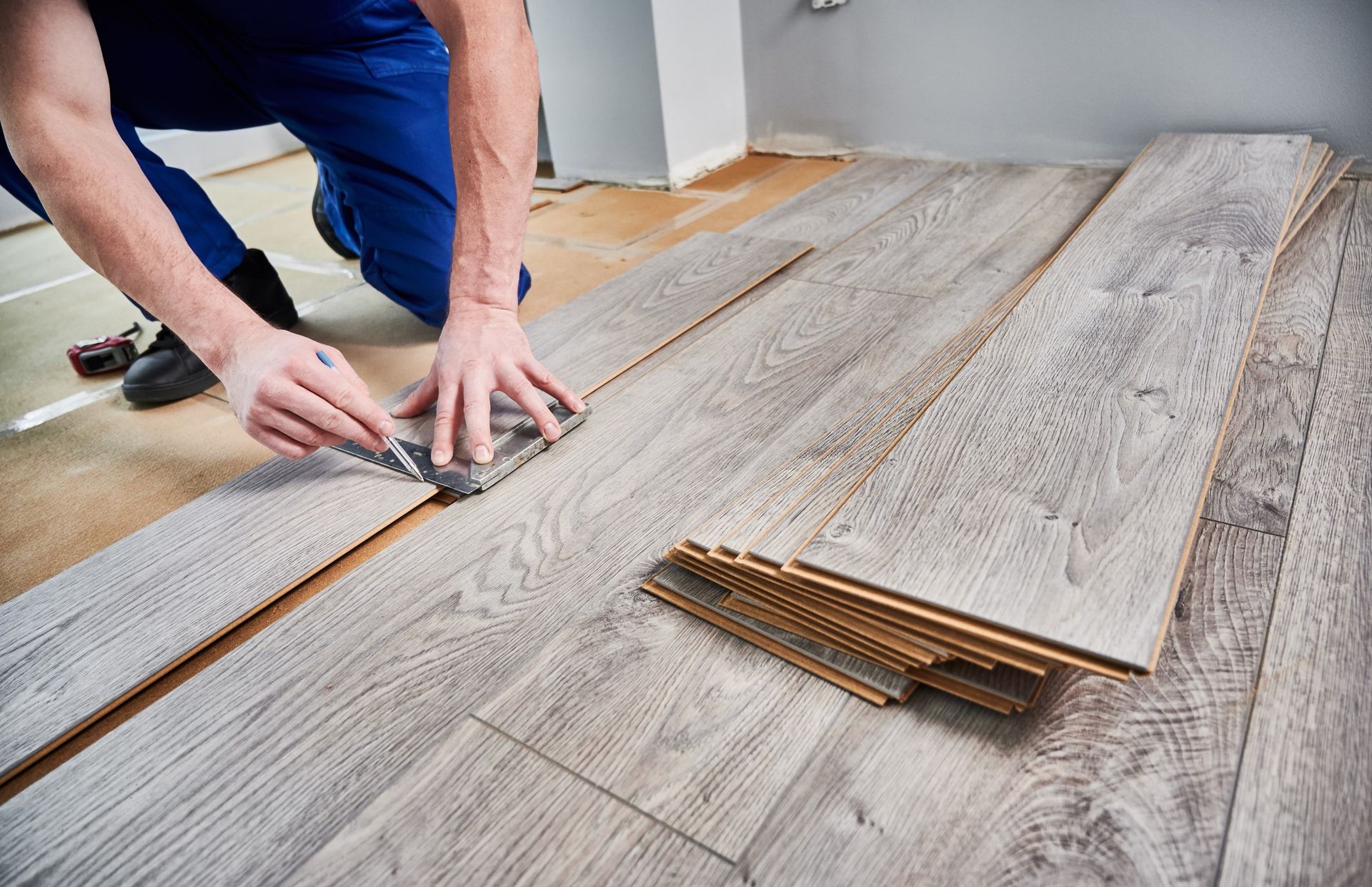
Distributors do not stock flooring products at random. Each brand in a distributor warehouse is usually selected based on contractor demand, profit margins, product performance, and sales reliability. In 2026, engineered hardwood flooring dominates distributor catalogs because it generally performs more reliably than solid wood in common conditions such as humidity swings, basement installs, and radiant heat systems.
The brands that make it onto distributor shelves share a few things in common: strong warranties, reliable margins, and products that perform reliably across different climate conditions in the United States. These characteristics consistently influence distributor choices, reflecting what the market values in flooring performance and reliability.
1. Rustic Wood Floor Supply
Rustic Wood Floor Supply focuses on wood species that remain consistently popular in the residential flooring market. Their rustic oak and hickory planks come in 8 to 10 inch widths with 4 to 6mm wear layers and matte factory finishes, specifications commonly used in both new construction and renovation projects.
- Bulk pallet ordering can provide higher contractor margins while keeping lead times manageable.
- Cross-ply engineered construction helps reduce the risk of cupping and movement in humid regions.
- Extended warranty coverage supports distributor and contractor confidence when recommending products.
Distributors often review the current catalog and wholesale pricing structure before placing bulk orders.
2. Windsor Hardwood International
Windsor occupies a different corner of the market entirely. Their catalog covers walnut, ash, and maple in UV-oiled finishes with 3/8 inch total thickness and custom widths milled to project specifications. That last detail is what makes them difficult to replace in a distributor’s lineup.
- Custom milling on demand lets distributors say yes to architect-specified jobsthat competitors have to turn away
- Stability rated up to 65% relative humidity covers every climate zone across all 50 states
- Premium price points push margins above 35% without requiring high transaction volume
- Appeals equally to house flippers chasing fast visual impact and restoration specialists needing period-accurate dimensions
3. Lumber Liquidators
Lumber Liquidators brings something the boutique suppliers cannot: brand recognition that contractors already trust and logistics infrastructure that keeps product moving. Their Bellawood and Virginia Mill Works lines in prefinished oak and maple are click-lock formats at half-inch thickness, designed for fast residential installs with minimal callbacks.
- 100-year transferable warranties are a proven volume driver in competitive residential markets
- FSC certification satisfies green building requirements without sourcing from a separate supplier
- Nationwide shipping under 72 hours keeps contractors on schedule and reduces the need for large local inventory holdings.
For budget-conscious contractor accounts, the combination of durability and accessible price points makes Lumber Liquidators a default recommendation rather than a considered alternative.
Distributor Comparison at a Glance
| Distributor | Key Brands Stocked | Why Stocked |
| Rustic Wood Floor Supply | Rustic Oak and Hickory | Wholesale margins and humidity resistance |
| Windsor Hardwood International | Walnut, Ash, Custom Species | Species variety and custom order capability |
| Lumber Liquidators | Bellawood Premium Line | Transferable warranties and fast delivery |
Why Distributors Choose Engineered Hardwood Flooring Brands in 2026
The flooring distribution market in 2026 is being shaped by performance, compliance, and margin pressures all at once. Leading engineered hardwood flooring brands respond to all three factors directly:
- Thicker cross-ply construction reduces cupping and gapping in variable humidity environments.
- Sustainable sourcing certifications meet growing green building requirements from contractors and developers.
- Higher-priced products can generate stronger margins per square foot without increasing transaction volume.
- Advanced core construction allows engineered hardwood to perform well over slabs and in areas with moderate humidity.
Distributors typically evaluate their inventory based on these criteria. Reviewing current catalogs and product specifications helps ensure that stocked brands align with contractor demand, project requirements, and market expectations.
Bottom Line
Distributor stocking decisions are typically shaped by several practical factors, including margin potential, product durability, warranty coverage, and the ability to meet contractor demand without long lead times. These considerations play a major role in determining which engineered hardwood flooring brands consistently appear in distributor catalogs.
When distributors evaluate engineered hardwood flooring brands based on performance, availability, and market demand, they can build an inventory that supports a wide range of projects. A balanced product selection helps serve both high-volume residential contractors and projects that require more specialized flooring specifications.
