Orthodontic treatment with braces is designed to create a well-aligned, healthy, and functional smile. In some cases, achieving optimal alignment requires removing certain teeth to create enough space for others to shift into the correct position. Understanding the process, reasons, and benefits of tooth removal for braces helps patients feel confident and prepared for this important step in orthodontic care.
Many patients seek professional consultation through tooth removal for braces to ensure the procedure is planned safely and tailored to their individual needs. Proper assessment and treatment planning are essential to achieve both functional and aesthetic outcomes.
Why Tooth Removal Is Sometimes Necessary
Tooth extraction is not always required for braces, but in certain situations, it becomes an important part of treatment. Common reasons include:
- Overcrowding: When teeth are too closely packed together, removing a tooth can provide the necessary space for proper alignment.
- Severe Bite Issues: Overbites, underbites, and crossbites may require extraction to help teeth fit correctly in the jaw.
- Jaw Size Discrepancies: If the jaw is smaller compared to the number of teeth, removal can help create a balanced bite.
- Facial Symmetry: Strategic extraction can improve the overall appearance of the smile and profile by allowing proper repositioning of teeth.
Orthodontists carefully evaluate each patient to determine whether extraction is necessary and which teeth should be removed for the best results.
The Tooth Removal Process
Tooth removal for braces is a safe procedure, but it requires careful planning and execution. Here’s what patients can expect:
Initial Assessment
During the first consultation, the orthodontist examines the teeth, bite, and jaw structure. X-rays and digital imaging help identify the teeth that may need removal and how the procedure will impact the braces treatment.
Creating a Treatment Plan
The orthodontist develops a personalized plan outlining the timing, which teeth to remove, and how extraction will facilitate alignment. This plan ensures minimal disruption to treatment and optimal results.
Performing the Extraction
The tooth removal procedure is usually done under local anesthesia, which minimizes discomfort. Sedation may be offered for patients who experience anxiety. The actual extraction typically takes only a few minutes per tooth, depending on its position and complexity.
Post-Extraction Care
After the procedure, patients receive instructions to support healing and reduce complications:
- Apply ice packs to manage swelling
- Avoid hard, chewy, or sticky foods for a few days
- Maintain oral hygiene carefully around the extraction site
- Follow any prescribed medications for pain or infection prevention
Proper post-extraction care promotes faster recovery and ensures a smooth transition to braces adjustment.
Benefits of Tooth Removal for Braces
Though extractions may feel daunting, they offer significant advantages for orthodontic treatment.
Creating Space for Alignment
Removing select teeth allows crowded teeth to move into proper positions, ensuring braces can achieve a straight and functional alignment.
Correcting Bite Issues
Extraction helps adjust the bite, improving chewing, speaking, and jaw function. Correcting bite problems early can prevent more serious dental complications later.
Enhancing Oral Health
Crowded teeth are difficult to clean, increasing the risk of cavities and gum disease. Creating space makes brushing and flossing more effective, promoting long-term oral hygiene.
Aesthetic Improvements
Properly aligned teeth improve the appearance of the smile and facial profile. Tooth removal can be a crucial step in achieving balance and symmetry in orthodontic treatment.
Common Concerns About Tooth Extraction
It is normal for patients to have questions or concerns about tooth removal for braces. Addressing these can reduce anxiety and build confidence:
- Pain and Discomfort: Mild pain and swelling are typical after extraction, but pain relievers and cold compresses manage them effectively.
- Impact on Braces: Extractions are carefully timed to complement braces treatment, ensuring the teeth shift correctly without delaying progress.
- Appearance: Temporary gaps are expected after removal, but braces will close these spaces over time.
- Recovery Time: Most patients can resume normal activities within a few days, depending on the number and complexity of extractions.
Communication with the orthodontist ensures that patients feel informed and comfortable throughout the process.
Alternatives to Tooth Extraction
Not all orthodontic cases require tooth removal. Some alternatives include:
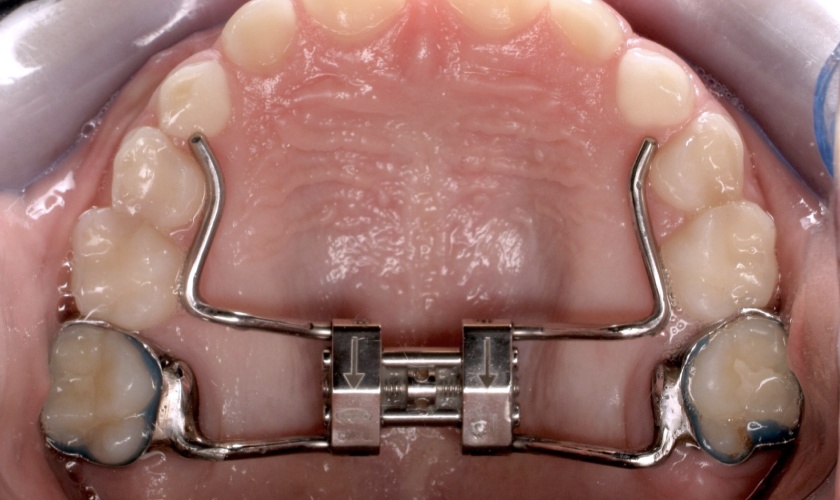
- Jaw Expansion: In children or adolescents, orthodontic appliances can expand the jaw to create space.
- Interproximal Reduction: Slightly reducing the width of certain teeth creates room for alignment.
- Clear Aligners: In mild cases, staged aligner treatment may reduce the need for extraction.
The most suitable option depends on age, dental structure, and treatment goals. A thorough evaluation helps identify the best approach.
Tips for a Smooth Recovery
Following extractions, patients can take steps to ensure comfort and healing:
- Stick to soft foods and avoid chewing near the extraction site
- Use gentle rinsing with warm salt water to keep the area clean
- Avoid smoking or consuming alcohol during healing
- Attend all follow-up appointments for monitoring and adjustment
Adhering to these tips promotes faster healing and supports successful braces treatment.
Long-Term Benefits
Tooth removal for braces, when done strategically, contributes to long-term oral health and a confident smile. Benefits include:
- Durable alignment with minimal risk of relapse
- Improved bite function and jaw health
- Easier oral hygiene and reduced risk of dental issues
- Enhanced aesthetics and self-confidence
Maintaining proper dental care after braces ensures that the benefits of extraction and orthodontic treatment are lasting.
Final Thoughts
Tooth removal for braces is a carefully planned procedure that plays a critical role in achieving a straight, functional, and aesthetically pleasing smile. With professional guidance, thorough assessment, and proper post-extraction care, patients can navigate this process safely and comfortably.
Strategic extraction helps correct overcrowding, improve bite function, enhance oral health, and create a long-lasting beautiful smile. Understanding the procedure, preparing for recovery, and following orthodontist recommendations are key to maximizing the benefits of tooth removal as part of comprehensive braces treatment.

George is the voice behind Wisdomised, a news blog dedicated to delivering fresh, engaging stories that keep readers both informed and entertained. With a sharp eye for current events and trending topics, George crafts posts that make complex news accessible and enjoyable. His unique perspective and storytelling skills bring a refreshing twist to every update, inviting readers to explore the world through Wisdomised.