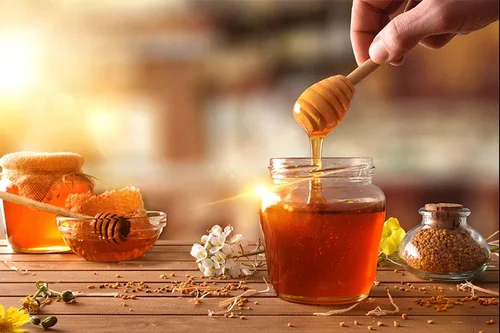
Raw honey is honey that has not been heated, pasteurized, or heavily filtered after extraction. It goes from hive to jar with minimal handling. Processed honey, on the other hand, is exposed to high-heat pasteurization and ultrafiltration, which strips away pollen, reduces enzyme activity, and lowers antioxidant levels.
Research consistently shows that pure raw honey retains significantly more bioactive compounds than its processed counterpart. That difference is why scientists see more measurable health effects from raw honey than from commercially processed varieties.
What Makes Pure Raw Honey Different?
The gap between raw and processed honey comes down to what survives after bottling. Processing removes the very compounds that give honey its health value.
How Processing Changes Honey
High heat pasteurization (typically above 70 degrees Celsius) kills beneficial enzymes like glucose oxidase and diastase. Ultrafiltration removes pollen, propolis traces, and fine wax particles. These steps extend shelf life but strip honey of most functional benefits.
Key Compounds Raw Honey Preserves
- Enzymes like glucose oxidase, diastase, and invertase
- Polyphenol antioxidants, including flavonoids and phenolic acids
- Bee pollen with amino acids, vitamins, and minerals
- Propolis traces with antimicrobial properties
- Organic acids that contribute to acidity and preservation
- Probiotic bacteria and oligosaccharides that support gut health
8 Science-Backed Benefits of Pure Raw Honey
Each benefit below explains what raw honey delivers and why processed honey falls short.
- Higher Antioxidant Protection
Raw honey contains significantly more antioxidants than processed honey, including flavonoids and phenolic acids that reduce oxidative stress. Studies link regular consumption to improved heart and metabolic health markers. Processing reduces these antioxidants by up to 30% or more.
- Natural Anti-Inflammatory Support
The polyphenols in honey can lower inflammatory markers in the body. Raw honey performs better in this area because heating and filtering remove a portion of these compounds. As a result, pure raw honey offers stronger anti-inflammatory potential when consumed regularly in moderate amounts.
- Stronger Antibacterial and Antimicrobial Action
Raw honey’s antibacterial power comes from multiple sources:
- Enzymes like glucose oxidase
- Naturally low pH levels
- Phytochemicals from the plants bees visit
High heat processing reduces glucose oxidase activity, which weakens this natural defense.
- Enhanced Wound Healing and Skin Benefits
Medical-grade honey used in wound dressings and burn treatments is typically unpasteurized and minimally processed. Research shows raw honey promotes tissue regeneration and fights infection more effectively than heavily processed varieties.
- Better Digestive and Gut Support
Raw honey supports your gut in several ways:
- Contains enzymes that aid digestion
- Has prebiotic compounds like oligosaccharides that feed beneficial gut bacteria
- Some raw honeys also carry probiotic strains
Processed honey loses most of this activity, making it nutritionally flatter for digestive health.
- Gentler Glycemic Impact Than Other Sweeteners
Certain raw honeys produce a more moderate blood sugar response compared to refined sugar. Studies show modest improvements in glycemic and lipid markers when raw honey replaces table sugar. That said, honey is still a sugar and should be consumed in moderation.
- Immune and Respiratory Support
Human studies confirm honey can ease coughs and soothe throat irritation, often matching some over-the-counter suppressants. Raw honey’s extra pollen, propolis, and antioxidants may strengthen these effects compared to processed varieties.
- Nutrient and Functional Food Edge
Raw honey contains small but meaningful amounts of:
- B vitamins and vitamin C
- Potassium, iron, and zinc
- Amino acids
This positions pure honey as more than a sweetener. Processed honey functions largely as empty calories after its bioactives have been stripped away.
When Raw Honey Is Not the Right Choice
Raw honey is not safe for infants under 12 months due to the risk of botulism. People with compromised immune systems should consult a doctor before consuming unpasteurized honey. Individuals with bee pollen allergies should also use caution. For healthy adults, one to two tablespoons per day is a commonly recommended range.
How to Choose Genuine Pure Raw Honey
Not every jar labeled “raw” delivers what it promises. Here are practical ways to verify:
- Check that the label says “raw” and “unpasteurized” rather than “pure” or “natural.”
- Avoid honey that looks clear and never crystallizes, as this often indicates heavy processing.
- Buy from brands that disclose the floral source, origin, and beekeeping practices.
- Look for third-party lab testing or certifications that verify purity
- Purchase directly from beekeepers or trusted specialty brands with full traceability
Final Thoughts
Raw honey retains enzymes, antioxidants, pollen, and prebiotics that processed honey loses. If you use honey for wellness, digestive support, or as a cleaner sweetener, raw honey delivers measurably more value. Choose carefully, read labels, and stick with transparent brands.
For those looking for a trusted option, Fleures Honey is raw, organic, and never pasteurized or ultra-filtered. Each jar preserves the full spectrum of nutrients that make raw honey worth choosing. Third-party tested and fully traceable from hive to table, Fleures offers honey the way it’s meant to be.
Shop Pure Raw Honey From Fleures.
