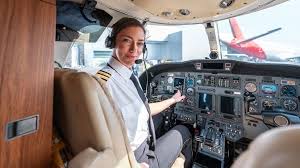
Multi-Crew Cooperation (MCC) course training equips CPL and ATPL pilots to transition from single-pilot flying to disciplined, airline-style multi-crew operations.
What is the Multi-Crew Cooperation (MCC) Course?
The Multi Crew Cooperation Course is designed to enhance professional behaviours needed in a multi-pilot cockpit. It develops situational awareness, teamwork, decision-making, and discipline in accordance with the airline’s expectations in Australia.
The course also introduces:
- Airline-style culture
- Structured workflows
- Joint cockpit responsibility.
These elements contribute to safe and effective operations and to pilots’ preparation for the requirements of airline flying.
Requirements for the MCC Course in Australia
To enrol in a Multi-Crew Cooperation (MCC) course, pilots must meet certain conditions set by CASA and MCC training providers.
Eligibility Criteria
Pilots enrolling in an MCC course must:
- Hold a current Commercial Pilot Licence (CPL) or ATPL.
- Be at least 18 years of age.
- Hold ICAO English Language Proficiency Level 4 or higher.
- Maintain a valid Class 1 Medical Certificate.
- Comply with CASA regulations and approved training standards.
Course Entry Requirements
Depending on the training provider, pilots may also need:
- A valid Instrument Rating (IR)
- A valid Multi-Engine endorsement
- Completion of the ATPL Human Factors Theory exam (AHUF)
- Minimum Pilot-in-Command (PIC) flight hours
These requirements ensure pilots are suitably prepared for professional multi-crew training.
MCC Course Details
Core Skills and Competencies Acquired
The MCC course develops the attitude and hands-on expertise needed to fly in multi-crew operations, such as:
- Standardised and transparent cockpit communication.
- Coordination of teams and task sharing.
- Shared leadership and support functions.
- Task management and awareness.
A combination of these competencies makes pilots ready to operate in a disciplined, airline-style manner.
Learning Format and Training Structure
Australian registered training providers offer MCC through systematic, practical learning. Pilots can expect:
- A fixed course time established by the provider.
- Extensive simulator training.
- Theoretical knowledge in classrooms.
- Competency-based assessments
This format makes training realistic, practical, and in line with industry expectations.
When MCC Is Required in Australian Pilot Training
The MCC is conducted at a certain point of a pilot training development in Australia:
- Upon completion of basic flight training, with a CPL.
- Before entry into an airline or multi-crew aircraft type rating.
- When training to work in structured multi-crew operations.
- As a requirement of CASA for multi-crew operations.
This timeline will ensure that pilots possess the basic flying skills before joining professional multi-crew settings.
Choosing the Right MCC Training Provider in Australia
Selecting the right institute helps pilots gain strong results. When choosing training, pilots should consider:
- CASA recognition
- Experienced instructors
- Quality simulators
- Structured guidance and support
These factors help students plan how to become pilots in Australia and receive meaningful, career-focused training.
Conclusion
The MCC course prepares Australian pilots for professional airline flying by building communication, teamwork, discipline, and structured cockpit behaviour. With the right eligibility, mindset, and training provider, pilots can move confidently towards airline careers with strong readiness and capability.
