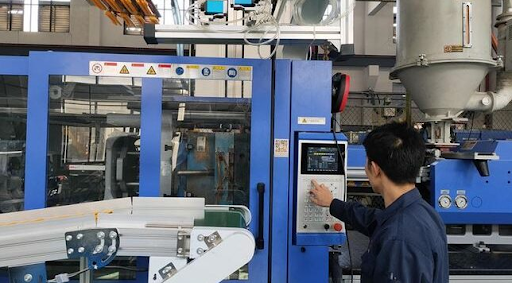
The mould sits there looking perfect. Your samples passed every test. Production starts and suddenly half the parts have visible flow lines. The other half won’t eject cleanly. You’re staring at a delay whilst the toolmaker fixes problems that shouldn’t exist.
This happens because most companies pick a plastic injection moulding manufacturer based on price quotes and lead times. They don’t ask the questions that actually matter.
Understanding the Process
Nobody tells you that the first shot out of a cold mould is always rubbish. The steel hasn’t reached operating temperature. The plastic isn’t flowing properly. Every dimension will be off.
Professional manufacturers know this and build scrap allowances into their quotes. The dodgy ones count those first shots as sellable parts. They wonder why customers complain about quality.
Temperature control extends beyond the barrel heaters too. Ambient workshop temperature affects cycle consistency more than people realise. A manufacturer running moulds in an un-air-conditioned shed during summer will produce different parts than they do in winter. This happens regardless of what their process parameters say.
Precision Engineering Standards
Tool steel selection tells you everything about how seriously a manufacturer takes longevity. Better steel costs more but lasts significantly longer under high-volume production. When someone quotes you a suspiciously cheap mould, they’ve probably specced soft steel that will need replacing far sooner than you’d expect.
The precision conversation should also cover what happens when something breaks. Ejector pins snap. Slides wear out. Core pins crack.
A manufacturer with proper maintenance records can show you exactly when components were replaced and why. The ones making excuses about unexpected downtime don’t track anything.
Material Versatility Options
Polypropylene seems simple until you discover that different grades have vastly different melt flow rates. Your manufacturer chose the cheapest grade without checking if it would actually fill your thin-walled sections.
Now you’ve got short shots and incomplete parts because the plastic freezes before reaching the extremities. Material datasheets list numerous properties but only a handful usually matter for any given application.
A plastic injection moulding manufacturer who asks about impact requirements, chemical exposure, and operating temperature range before suggesting materials understands this. One who immediately recommends whatever they’ve got in stock doesn’t care whether your product succeeds.
Production Efficiency Gains
Gate location determines everything downstream. Most designers stick it wherever looks convenient. Put the gate in the wrong spot and you’ll get weld lines in high-stress areas. Trapped air causes burns. Flow patterns create weak points.
Smart manufacturers look at wall thickness variations and predict exactly where the plastic will hesitate. They know where it will cool prematurely. They understand where voids will form.
They’ll move your gate even if it makes the part look slightly less elegant. They know appearance means nothing if the component snaps under load. Runner sizing plays into this too. Oversized runners waste material on every cycle. Undersized runners restrict flow and increase injection pressure, which accelerates tool wear.
Design Flexibility Advantages
Ribs stiffen parts but most engineers make them too thick. This causes sink marks on the opposite surface. The standard rule about rib thickness assumes uniform cooling and consistent packing pressure.
Real-world manufacturing involves temperature gradients. It involves pressure drops. Material shrinkage rates vary by resin type.
A manufacturer looking at your ribbed design should immediately flag potential cosmetic issues. They should suggest either reducing rib thickness or adding texture to the opposite face to hide the defects. If they don’t mention it, they haven’t actually reviewed the design properly.
Quality Consistency Assurance
First article inspection catches problems before mass production begins. Except when it doesn’t. Some manufacturers run first articles with experienced operators monitoring every cycle. Then they hand production off to whoever’s available. Quality drops immediately.
The correct approach involves writing detailed process sheets. These specify injection speed ramps, hold pressure curves, and cooling times precisely. Anyone running the mould should achieve identical results by following the sheet exactly.
Ask to see these process sheets during your facility tour. Their absence means quality depends entirely on operator skill rather than documented procedures.
Sustainability Considerations
Regrind sounds economical until you learn that reprocessing plastic degrades molecular chains. This reduces impact strength and increases brittleness.
Smart manufacturers limit regrind content to specific percentages based on the application. Structural components might accept limited regrind. Cosmetic parts visible to end users might accept none because regrind causes colour variation and surface defects.
A plastic injection moulding manufacturer mixing excessive regrind into everything is prioritising their profit margins over your product performance. They should test mechanical properties whenever regrind percentages change. They need data proving the parts still meet specifications.
Conclusion
Most manufacturing relationships fail because companies optimise for the wrong variables. They chase cheap tooling quotes without asking about steel grades. They accept fast lead times without questioning quality systems. They pick local suppliers for convenience without checking if those suppliers actually understand polymer science. A proper plastic injection moulding manufacturer costs more initially because they invest in proper tooling. They maintain detailed process documentation. They employ people who know the difference between running a machine and understanding what’s happening inside it.

George is the voice behind Wisdomised, a news blog dedicated to delivering fresh, engaging stories that keep readers both informed and entertained. With a sharp eye for current events and trending topics, George crafts posts that make complex news accessible and enjoyable. His unique perspective and storytelling skills bring a refreshing twist to every update, inviting readers to explore the world through Wisdomised.