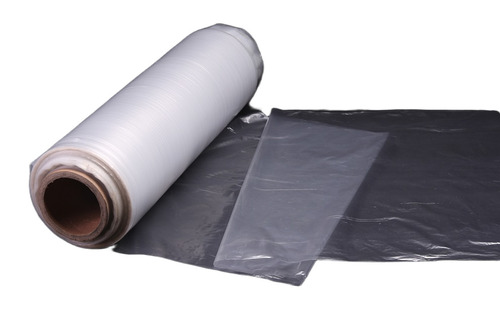
Water soluble films have gained significant attention in recent years due to their eco-friendly properties, versatility, and broad range of applications. These films, typically made from polyvinyl alcohol (PVA), dissolve completely in water, making them an ideal solution for industries seeking sustainable packaging alternatives. With the growing demand for environmentally responsible materials, water soluble films have become a critical component in sectors such as packaging, agriculture, healthcare, and chemicals. Understanding the key features of these films and their diverse applications is essential for businesses and consumers alike.
One of the primary considerations for businesses seeking reliable suppliers is the selection of reputable Water Soluble Film Manufacturers. These manufacturers offer a variety of film types that differ in thickness, solubility rate, and strength. High-quality films are designed to maintain their integrity during handling and storage, only dissolving when exposed to water under specific conditions. Manufacturers ensure that the films meet international standards for safety and biodegradability, providing an effective solution for companies aiming to reduce plastic waste. By working with established manufacturers, industries can access customized solutions that suit their specific operational requirements.
Key Features of Water Soluble Films
Water soluble films possess several distinctive features that make them a preferred choice for many industrial applications:
- Eco-Friendly and Biodegradable: Unlike conventional plastic films, water soluble films dissolve completely in water without leaving harmful residues. They are made from biodegradable materials, reducing the environmental impact of single-use packaging.
- Customizable Solubility: Depending on the intended application, manufacturers can adjust the solubility rate of the film. For instance, films used in detergent pods or agricultural chemicals may require quick dissolution, while those for medical applications may need controlled solubility.
- High Strength and Durability: Despite being water soluble, these films are robust and capable of withstanding handling, transport, and storage. Advanced production techniques allow manufacturers to create films that resist tearing or puncturing under normal conditions.
- Versatility in Thickness and Size: Water soluble films are available in various thicknesses and dimensions, making them suitable for a wide range of products. Whether for single-dose packaging or bulk industrial use, manufacturers can provide tailored solutions.
- Safety and Compatibility: These films are non-toxic, odorless, and compatible with a wide range of substances, including detergents, chemicals, and pharmaceuticals. Their safe formulation ensures that they do not react with the contents they are meant to contain.
Industry Applications
Water soluble films have been adopted in multiple industries due to their unique properties. Some of the most notable applications include:
1. Packaging Industry
The packaging industry is one of the largest users of water soluble films. They are particularly popular for single-dose products such as detergents, soaps, and cleaning agents. By offering pre-measured portions, these films minimize waste and enhance convenience for consumers. In addition, their biodegradability aligns with the growing demand for sustainable packaging solutions.
2. Agriculture
In agriculture, water soluble films are used to package fertilizers, pesticides, and seeds. These films allow for precise dosing and reduce the risk of exposure to harmful chemicals. When the film dissolves in water, it releases the contents directly to the soil or plants, improving efficiency and safety in agricultural operations.
3. Healthcare and Pharmaceuticals
Water soluble films are widely used in the healthcare sector for packaging medications, capsules, and disinfectants. The films ensure accurate dosing, protect the product from contamination, and improve patient convenience. Their non-toxic and hygienic properties make them suitable for sensitive applications, including medical devices and sterilized items.
4. Industrial Chemicals
Industries that deal with chemical powders and liquids also benefit from water soluble films. They provide a safe and effective way to store and transport substances without risk of spillage or contamination. The films’ ability to dissolve completely in water ensures that the chemicals are released efficiently when needed.
5. Food Industry
Although less common, water soluble films are sometimes used in the food sector, primarily for portion-controlled flavorings or additives. They enhance hygiene, reduce contamination, and improve convenience for both manufacturers and consumers.
Conclusion
The rise of sustainable practices and the increasing demand for environmentally friendly materials have positioned water soluble films as a critical innovation in multiple industries. Their eco-friendly nature, high strength, customizable solubility, and wide range of applications make them an indispensable tool for businesses aiming to improve operational efficiency while reducing environmental impact. Partnering with experienced Water Soluble Film Manufacturers ensures access to high-quality films tailored to specific industrial needs, providing both safety and reliability. As industries continue to prioritize sustainability and efficiency, the use of water soluble films is likely to expand further, reinforcing their role in shaping a greener and more responsible future.

George is the voice behind Wisdomised, a news blog dedicated to delivering fresh, engaging stories that keep readers both informed and entertained. With a sharp eye for current events and trending topics, George crafts posts that make complex news accessible and enjoyable. His unique perspective and storytelling skills bring a refreshing twist to every update, inviting readers to explore the world through Wisdomised.