In the world of commercial and industrial printing, achieving consistent, high-quality results is a top priority. Among the various printing methods available, Offset Printing remains one of the most widely used techniques due to its precision, efficiency, and versatility. Understanding how this technology works and its applications is essential for manufacturers, designers, and production managers seeking reliable print solutions.
What Is Offset Printing?
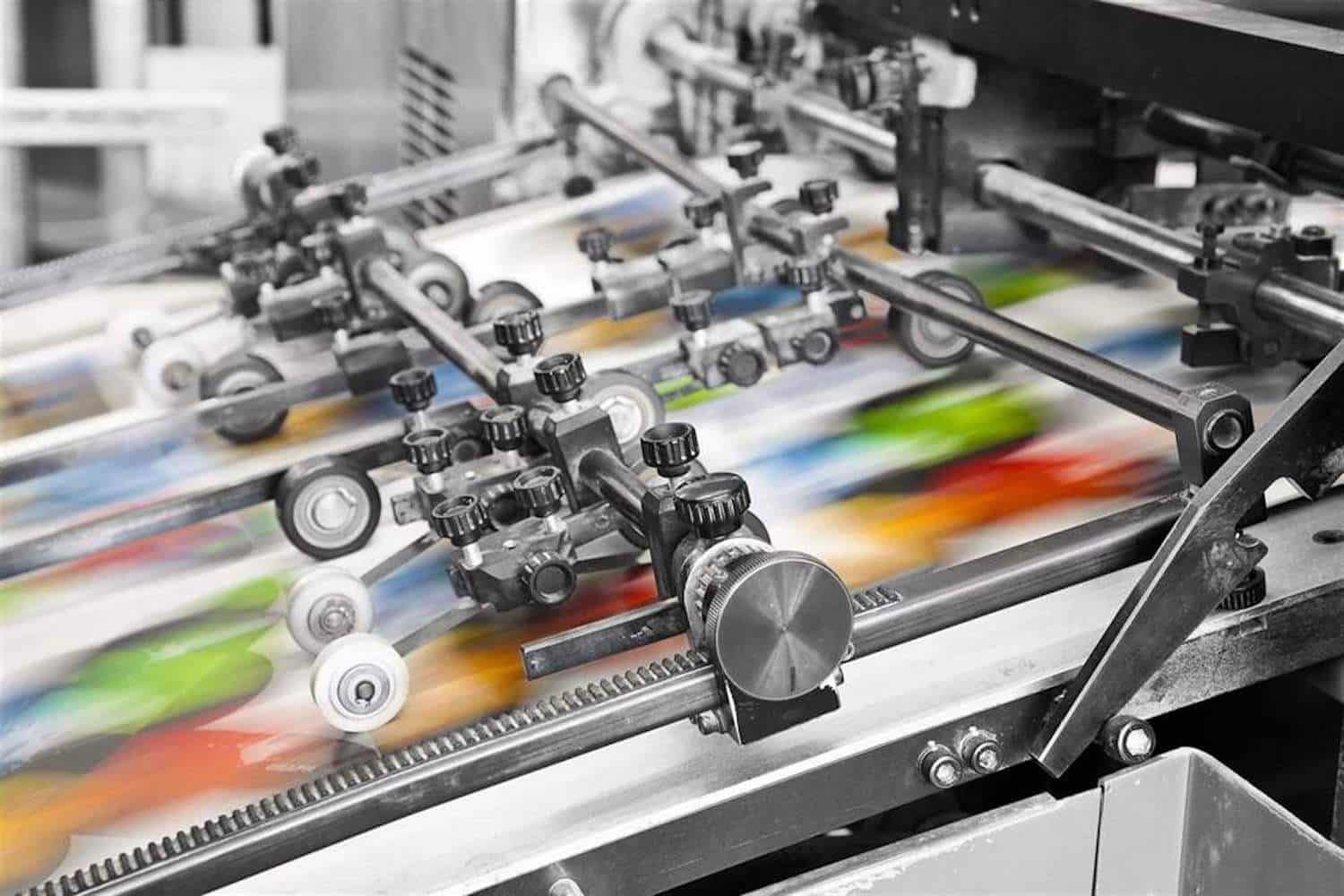
Offset Printing is a widely adopted printing process where an inked image is transferred—or “offset”—from a plate to a rubber blanket, and then onto the printing surface, typically paper. This indirect method allows for precise, high-resolution prints with uniform ink distribution. Many companies utilize advanced printing solutions such as Offset Printing to achieve consistent results across large-scale production runs, making it an ideal choice for high-volume printing projects.
Key Advantages of Offset Printing
1. Superior Print Quality
One of the primary benefits of Offset Printing is its ability to produce sharp, clear images with rich color fidelity. The process ensures even ink application and allows for fine detail reproduction, which is particularly important for complex graphics, photographs, and text-heavy documents. The quality achieved through offset printing often surpasses that of other printing methods, making it a preferred choice for premium publications.
2. Cost Efficiency for Large Runs
Offset printing becomes increasingly cost-effective as the volume of production grows. While setup costs for plates and initial preparation may be higher than digital printing, the per-unit cost decreases significantly with larger print runs. This makes offset printing an economical solution for magazines, brochures, packaging, and other bulk print materials.
3. Versatility in Substrates
Another significant advantage of Offset Printing is its adaptability to different substrates. This process can print on various materials, including paper, cardboard, plastic, and metal foils. The flexibility in substrate selection allows manufacturers to produce a wide range of products, from high-quality packaging to marketing collateral, without compromising on print quality.
4. Consistent Color Reproduction
Color consistency is critical in branding and marketing materials. Offset printing provides precise color control through the use of CMYK inks and sophisticated color management systems. This ensures that each printed piece matches the desired color standards, maintaining brand integrity across multiple production runs.
Applications of Offset Printing
Offset Printing has extensive applications across numerous industries. In publishing, it is widely used for books, newspapers, and magazines due to its ability to produce high-quality text and images efficiently. In packaging, offset printing is favored for product labels, cartons, and promotional materials, offering durability and sharp visual appeal. Marketing and advertising sectors also benefit from offset printing when producing brochures, flyers, and catalogs that require vibrant colors and precise graphics.
Process Optimization and Modern Enhancements
Modern offset printing has evolved significantly with the integration of digital technologies. Prepress processes, such as computer-to-plate (CTP) systems, streamline plate preparation and reduce errors. Automated color control, ink optimization, and high-speed presses enhance efficiency, minimize waste, and improve turnaround times. These advancements make Offset Printing not only a reliable choice but also a highly efficient solution for contemporary production needs.
Best Practices for High-Quality Output
To maximize the benefits of Offset Printing, manufacturers should focus on proper prepress preparation, accurate plate alignment, and regular maintenance of presses. Consistent monitoring of ink viscosity, substrate quality, and environmental conditions also plays a crucial role in maintaining high-quality output. Following these best practices ensures that printed materials meet precise standards and exceed client expectations.
Conclusion
In conclusion, Offset Printing continues to be a cornerstone of modern production, offering superior print quality, cost efficiency for large runs, and versatility across various substrates. Its applications span publishing, packaging, marketing, and more, making it a vital technology for industries requiring high-volume, consistent, and visually appealing print output. Investing in advanced offset printing solutions allows businesses to achieve reliable results while maintaining operational efficiency and meeting the growing demands of today’s competitive market.

George is the voice behind Wisdomised, a news blog dedicated to delivering fresh, engaging stories that keep readers both informed and entertained. With a sharp eye for current events and trending topics, George crafts posts that make complex news accessible and enjoyable. His unique perspective and storytelling skills bring a refreshing twist to every update, inviting readers to explore the world through Wisdomised.