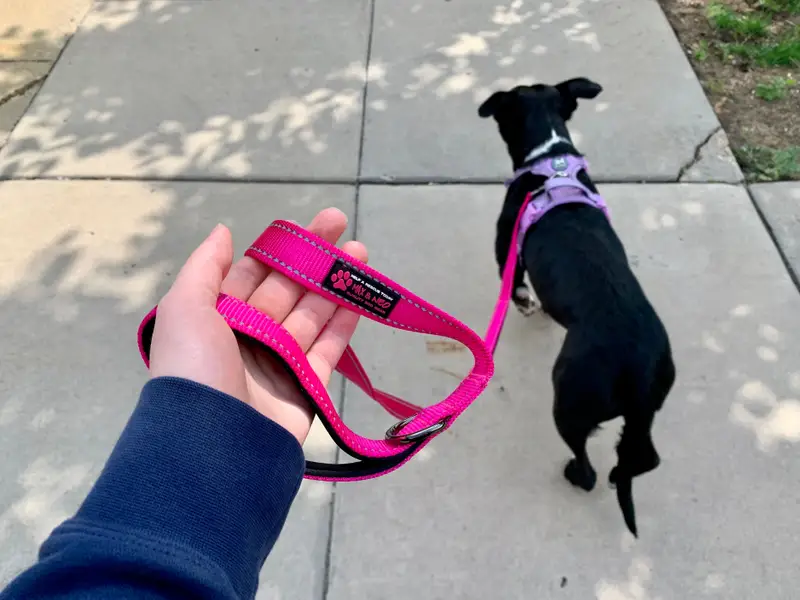
A dog leash is one of the most important tools for pet owners, providing control, safety, and convenience during walks and outdoor activities. While all leashes serve the primary function of keeping a dog close and secure, different designs are tailored to meet specific needs, ranging from everyday walking to training or outdoor adventures. Understanding the various types of dog leashes and their practical applications can help owners choose the most suitable option for their pet’s size, behavior, and lifestyle.
A reliable source for high-quality options is the Dog Leash. These leashes are crafted for durability, comfort, and functionality, offering pet owners a range of styles and designs to suit different needs. By understanding the features and uses of each type, owners can select a leash that enhances control, safety, and the overall walking experience for both themselves and their dogs.
Standard Leashes
Standard leashes are the most common type of leash, typically ranging from four to six feet in length. They are ideal for everyday walks, providing a balance between freedom and control. Standard leashes are available in various materials, including nylon, leather, and braided fabric.
- Nylon Leashes: Lightweight, affordable, and available in multiple colors and patterns.
- Leather Leashes: Durable, comfortable to hold, and ideal for long-term use.
- Braided Fabric Leashes: Flexible and strong, often featuring decorative patterns.
These leashes offer consistent control over the dog’s movements, making them suitable for urban walks, visits to parks, and casual outings.
Retractable Leashes
Retractable leashes allow dogs more freedom to explore while still maintaining a level of control. They feature a retractable cord or tape that can extend and retract from a handle, giving dogs a variable range depending on the owner’s preference.
Benefits:
- Allows dogs to roam while maintaining safety.
- Adjustable length provides flexibility in open spaces.
- Often includes a locking mechanism to limit the extension.
Considerations:
- Not ideal for training purposes as dogs may pull and learn inconsistent behavior.
- Can pose safety risks if the cord snaps or wraps around objects.
- Best used for experienced owners in open, safe areas.
Chain or Metal Leashes
Chain leashes are made of metal links and are typically used for dogs that tend to chew through standard nylon or fabric leashes. They are durable and resistant to damage but are heavier than other options.
Uses:
- Suitable for strong or large breeds prone to chewing.
- Often paired with training collars for obedience exercises.
Considerations:
- Can be uncomfortable to hold for long periods without padding.
- Heavier weight may not be suitable for small dogs.
Training Leashes
Training leashes are specifically designed for obedience and behavior management. These can include long lines, slip leads, or combination designs with adjustable lengths.
- Long Lines: Allow dogs to explore while giving trainers control over recall and behavior.
- Slip Leads: A simple loop that tightens when pulled, often used for teaching leash manners.
- Adjustable Leashes: Can be shortened or lengthened for different training exercises.
Training leashes are invaluable for teaching dogs recall, preventing pulling, and improving overall leash manners.
Hands-Free Leashes
Hands-free leashes are designed to allow owners to walk, jog, or hike with their dog while keeping their hands free. These leashes typically attach to a belt worn around the waist or hips.
Benefits:
- Ideal for runners or active owners.
- Reduces strain on hands and arms during long walks.
- Keeps the dog close without compromising mobility.
Considerations:
- Dogs need to be well-trained to avoid pulling or sudden movements.
- Best suited for medium to large dogs that can maintain pace.
Specialty Leashes
Specialty leashes cater to unique needs or environments. These include:
- Reflective Leashes: Enhanced visibility for nighttime walks.
- Elastic or Bungee Leashes: Absorb shocks when dogs pull suddenly.
- Decorative or Beaded Leashes: Combines aesthetics with function for style-conscious owners.
These leashes may serve multiple purposes, offering safety, style, or enhanced comfort depending on the situation.
Choosing the Right Leash
When selecting a dog leash, consider the following:
- Dog Size and Strength: Larger or stronger dogs require durable leashes with secure handles.
- Activity Type: Training, running, casual walks, or outdoor adventures may require different leash styles.
- Owner Comfort: Handles, weight, and flexibility should be considered to prevent strain.
- Safety Features: Reflective materials, secure attachments, and shock absorption enhance safety.
Conclusion
Understanding the different types of dog leashes helps pet owners make informed decisions about which leash best suits their dog’s size, behavior, and lifestyle. From standard leashes for everyday use to retractable, training, and specialty leashes, each type offers unique benefits and applications. By choosing a leash that balances control, comfort, and functionality, owners can ensure safer, more enjoyable walks for both themselves and their dogs.
For durable and versatile options that combine style, strength, and reliability, the Dog Leash provides an excellent choice. Selecting the right leash enhances safety, convenience, and overall walking experience, making outings with your dog enjoyable and stress-free.

George is the voice behind Wisdomised, a news blog dedicated to delivering fresh, engaging stories that keep readers both informed and entertained. With a sharp eye for current events and trending topics, George crafts posts that make complex news accessible and enjoyable. His unique perspective and storytelling skills bring a refreshing twist to every update, inviting readers to explore the world through Wisdomised.