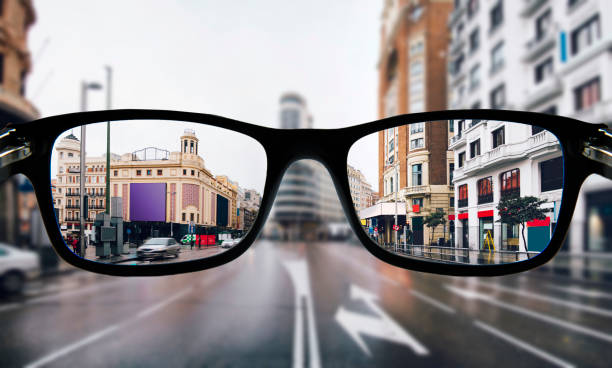
Understanding the difference between single vision, progressive, and bifocal lenses helps you select the most suitable option for your eyesight needs. Each lens type is designed for specific vision challenges, whether you need help with distance clarity, reading, or both. This guide explains how these lenses work, who should use them, and how to decide based on comfort, budget, and daily activities.
When exploring lens options, many people start with single vision lenses because they are the most common and straightforward choice. However, advancements in eyewear technology have introduced multifocal solutions like progressive and bifocal lenses, which provide more flexibility for people with multiple vision needs.
Understanding the Basics of Vision Correction
Human vision typically changes over time. Younger individuals often require correction for one distance only, while aging eyes may struggle with focusing on both near and far objects. This is especially common after the age of 40 due to presbyopia, a natural condition where the eye’s lens loses flexibility.
Different lens designs address these challenges in unique ways:
- Single vision lenses correct one field of vision.
- Bifocal lenses correct two distinct viewing zones.
- Progressive lenses offer multiple viewing distances without visible lines.
Knowing how each type works will help you make a more confident decision.
What Are Single Vision Lenses?
Single vision lenses have one prescription power across the entire surface. They are typically prescribed for:
- Near vision (reading or computer work)
- Distance vision (driving or watching television)
- Intermediate tasks (office or screen use)
These lenses are simple, affordable, and easy to adapt to. Because there is no transition between different powers, wearers usually experience minimal distortion or adjustment time.
They are ideal for:
- Children and young adults
- People with nearsightedness or farsightedness
- Individuals who only need correction for one distance
What Are Bifocal Lenses?
Bifocal lenses contain two distinct prescription zones separated by a visible line:
- Upper section: distance vision
- Lower section: near vision (reading)
They were historically the most popular solution for people with presbyopia before progressive lenses became widely available.
Benefits of bifocal lenses include:
- Clear separation of vision zones
- Easier adaptation compared to progressive lenses
- Generally lower cost than progressive options
However, some users find the visible line cosmetically unappealing, and switching between viewing zones can feel abrupt.
What Are Progressive Lenses?
Progressive lenses are advanced multifocal lenses that provide a gradual transition between different prescription strengths:
- Top: distance vision
- Middle: intermediate (computer distance)
- Bottom: near vision (reading)
Unlike bifocals, progressive lenses do not have visible lines. This creates a more natural visual experience and improved aesthetics.
They are ideal for:
- Professionals who use screens frequently
- People who want seamless vision at all distances
- Individuals seeking a modern lens appearance
The main drawback is the adjustment period. Some users need time to adapt to the gradual power changes, especially when moving their head instead of only their eyes.
Key Differences Between the Three Lens Types
Understanding the differences helps simplify your decision.
Visual Range
- Single vision: One distance only
- Bifocal: Two distances
- Progressive: Multiple distances with smooth transitions
Appearance
- Single vision: No lines
- Bifocal: Visible line
- Progressive: No visible line
Adaptation Time
- Single vision: Fastest adaptation
- Bifocal: Moderate
- Progressive: May require adjustment period
Cost
- Single vision: Most affordable
- Bifocal: Mid-range
- Progressive: Most expensive due to advanced design
Which Lens Type Is Best for You?
The right choice depends on several personal factors:
Your Age
- Under 40: Single vision lenses are usually sufficient.
- Over 40: Multifocal lenses may be needed due to presbyopia.
Your Lifestyle
Consider your daily activities:
- Heavy computer use → Progressive or intermediate lenses
- Frequent reading → Bifocal or progressive
- Driving and distance tasks → Single vision or progressive
Comfort Preference
Some people prefer simplicity and quick adaptation, while others prioritize convenience and aesthetics.
Budget Considerations
Progressive lenses offer versatility but cost more. Single vision lenses remain the most budget-friendly option.
Pros and Cons Overview
Single Vision Pros
- Affordable
- Easy to adapt
- Lightweight
- Clear optics
Single Vision Cons
- Only corrects one distance
- May require multiple pairs of glasses
Bifocal Pros
- Corrects near and far vision
- Lower cost than progressive lenses
- Quick adjustment
Bifocal Cons
- Visible line
- Abrupt transition between zones
Progressive Pros
- Seamless vision at all distances
- Modern appearance
- Convenient for daily life
Progressive Cons
- Higher cost
- Adjustment period required
- Slight peripheral distortion for some users
Tips for Adjusting to New Lenses
If you are switching to bifocal or progressive lenses, adaptation is normal. Follow these tips:
- Wear your new glasses consistently
- Move your head, not just your eyes, when focusing
- Allow at least one to two weeks for adjustment
- Visit your optician if discomfort continues
Most people adapt successfully with regular use.
How Eye Doctors Decide Your Prescription
Eye care professionals evaluate multiple factors before recommending lenses:
- Vision testing results
- Age-related changes
- Work habits
- Hobbies
- Eye health conditions
They may also suggest lens coatings such as:
- Anti-reflective coating
- Blue light filtering
- Scratch resistance
- UV protection
These enhancements improve comfort and durability.
When Should You Upgrade Your Lenses?
You may need new lenses if you experience:
- Blurry vision
- Frequent headaches
- Eye strain
- Difficulty reading small text
- Trouble focusing between distances
Regular eye exams every 1–2 years help maintain optimal vision health.
Final Thoughts
Choosing between single vision, bifocal, and progressive lenses is ultimately about matching your vision needs with your lifestyle. Single vision lenses provide simplicity and affordability, bifocals offer dual correction with minimal learning curve, and progressive lenses deliver the most natural and versatile viewing experience.
There is no universal “best” option—only the best option for you. Consulting an eye care professional ensures you receive personalized recommendations that improve both comfort and clarity in your daily life.

George is the voice behind Wisdomised, a news blog dedicated to delivering fresh, engaging stories that keep readers both informed and entertained. With a sharp eye for current events and trending topics, George crafts posts that make complex news accessible and enjoyable. His unique perspective and storytelling skills bring a refreshing twist to every update, inviting readers to explore the world through Wisdomised.