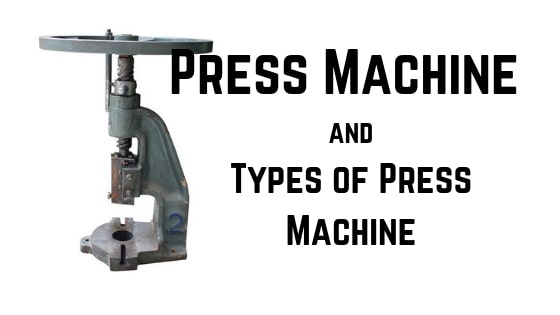
Power press machines are widely used in manufacturing industries for shaping, cutting, punching, and forming metal sheets. These machines are highly efficient and versatile, but they also pose significant safety risks if not operated properly. Accidents involving power presses can lead to severe injuries, including crush injuries, amputations, and fractures. Therefore, it is crucial for operators, supervisors, and maintenance personnel to follow strict safety guidelines to prevent accidents and ensure smooth operation.
A Power Press generates substantial force to shape or cut materials, making it essential for operators to be well-trained and aware of potential hazards. Safety measures not only protect the operator but also prevent damage to the machine and reduce production downtime. By combining proper training, personal protective equipment, and adherence to operational protocols, industries can create a safe and productive working environment.
Importance of Safety Training
The foundation of safe power press operation begins with comprehensive training. Operators should be familiar with the machine’s components, working principles, and potential hazards. Training should include:
- Understanding the function of each component, including the ram, die, flywheel, and control systems.
- Recognizing the types of hazards associated with mechanical, hydraulic, or pneumatic presses.
- Learning emergency procedures, including stopping the machine and reporting malfunctions.
Regular refresher courses are recommended to ensure operators remain updated on safety practices and any changes in machine operation or regulations.
Personal Protective Equipment (PPE)
Using appropriate personal protective equipment is a critical step in minimizing injury risk. Operators must always wear:
- Safety glasses or face shields to protect against flying debris.
- Gloves that provide a firm grip while avoiding entanglement risks.
- Protective footwear to prevent injuries from heavy objects falling.
- Ear protection in environments with high noise levels generated by press operations.
Ensuring that PPE is in good condition and used correctly can significantly reduce the severity of accidents.
Machine Inspection and Maintenance
Routine inspection and maintenance of a power press are essential to ensure safe operation. Before starting a machine, operators should check:
- That all safety guards and protective devices are in place and functioning.
- The alignment and condition of dies and tooling.
- Hydraulic or pneumatic systems for leaks and pressure consistency.
- Electrical connections and control switches for proper operation.
Scheduled maintenance, including lubrication, replacement of worn parts, and calibration, not only enhances safety but also improves machine efficiency and lifespan.
Safe Operating Practices
Following safe operating practices is crucial when using a power press. Key practices include:
- Keeping hands, fingers, and clothing away from moving parts.
- Using tools such as push sticks or mechanical devices to position materials instead of hands.
- Never bypassing or disabling safety devices, including guards, light curtains, or two-hand controls.
- Ensuring that only trained and authorized personnel operate the machine.
Operators should always focus on their task and avoid distractions, as a momentary lapse in attention can result in serious injuries.
Emergency Procedures
Preparedness for emergencies is vital for minimizing damage and injuries. Operators should be trained to:
- Immediately press the emergency stop button in case of a malfunction.
- Evacuate the area if a hydraulic or mechanical failure occurs.
- Notify supervisors and maintenance personnel for inspection and repair before resuming operation.
- Administer first aid if minor injuries occur and seek medical assistance for severe injuries.
Having clear and accessible emergency procedures can save lives and reduce the impact of accidents.
Safety Devices and Automation
Modern power press machines are equipped with various safety devices designed to protect operators. These include:
- Light curtains and presence-sensing devices that prevent the machine from operating if hands are in danger zones.
- Two-hand control systems that require simultaneous activation to prevent accidental operation.
- Interlocked guards that prevent access to moving parts during operation.
Automation and advanced control systems can further enhance safety by reducing manual intervention in high-risk areas.
Conclusion
Operating a power press machine safely requires a combination of proper training, strict adherence to safety guidelines, and consistent use of protective equipment and devices. Regular maintenance and inspection are equally important to prevent accidents caused by mechanical failures. By implementing these safety measures, industries can protect operators, maintain efficient production, and extend the lifespan of their machinery. Safety is not just a regulatory requirement but a responsibility that ensures a productive and accident-free workplace.

George is the voice behind Wisdomised, a news blog dedicated to delivering fresh, engaging stories that keep readers both informed and entertained. With a sharp eye for current events and trending topics, George crafts posts that make complex news accessible and enjoyable. His unique perspective and storytelling skills bring a refreshing twist to every update, inviting readers to explore the world through Wisdomised.