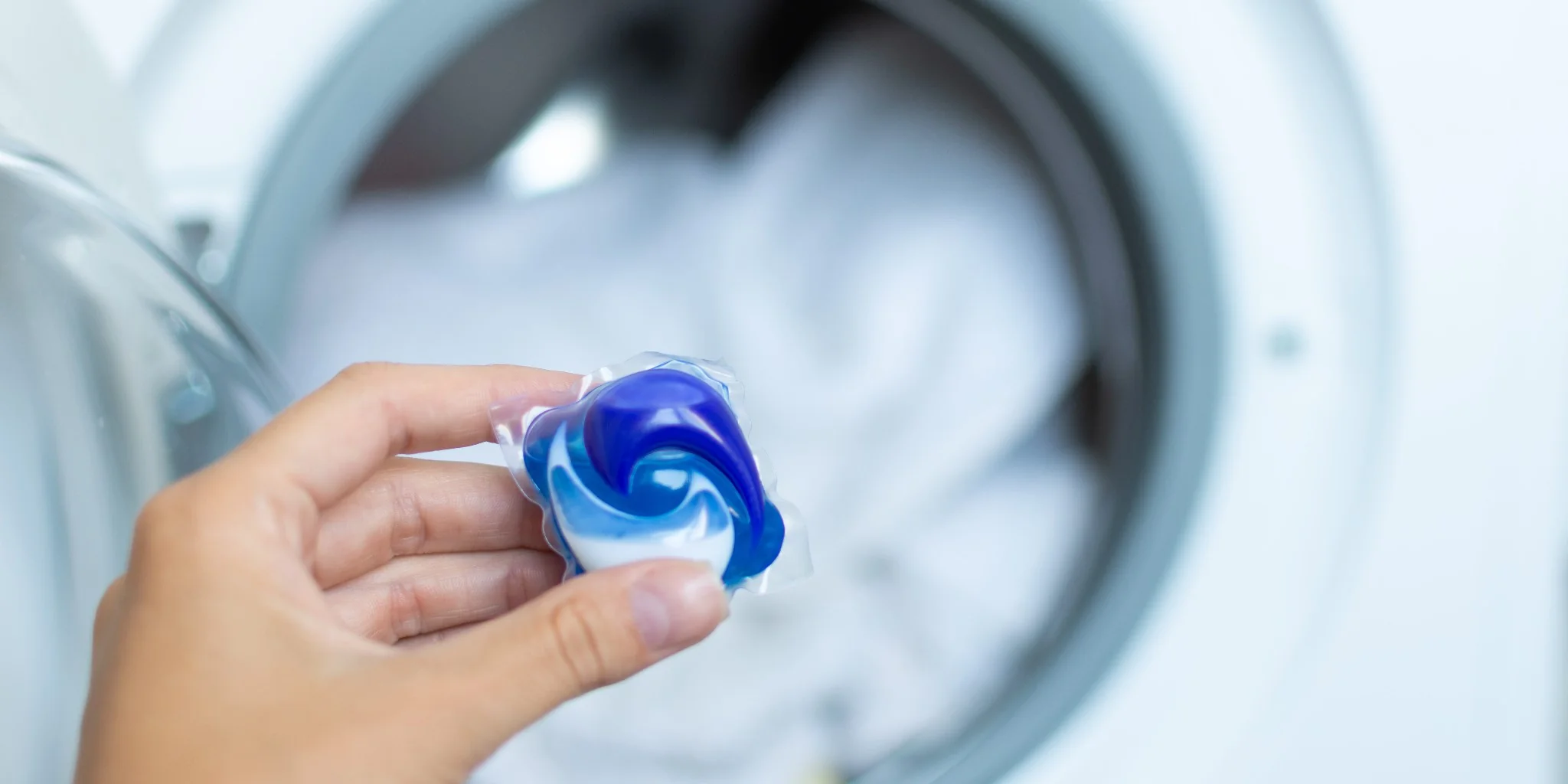
The laundry detergent industry has experienced significant transformation over the past decade, largely due to the rise of pre-measured laundry pods. These convenient products require specialized equipment for mass production, making the efficiency and capacity of laundry pod making machines a critical factor for manufacturers. Understanding the production capabilities and operational efficiency of these machines helps businesses optimize output, reduce costs, and maintain consistent product quality.
Understanding Production Capacity
Production capacity refers to the maximum number of laundry pods a machine can produce within a specific timeframe, usually measured in pods per hour. This capacity depends on several factors, including the machine’s size, design, automation level, and the type of detergent being used.
High-capacity machines are often designed for large-scale manufacturing facilities and can produce thousands of pods per hour. Medium-capacity machines are suitable for smaller factories or businesses with moderate demand. Low-capacity machines are generally used for trial production, R&D purposes, or small-scale operations. Choosing a machine with an appropriate production capacity ensures that manufacturers meet market demand without overloading the equipment or wasting resources.
Factors Affecting Efficiency
Efficiency in a laundry pod making machine is not only about speed; it also involves the consistency, accuracy, and reliability of production. Several factors influence efficiency:
- Automation: Machines with advanced automation handle dosing, sealing, and cutting with minimal human intervention. Automation reduces errors, maintains consistent pod size and weight, and improves overall throughput.
- Material Handling: Efficient film feed and tension control prevent misalignment or tearing, which could otherwise lead to defective pods. Smooth material handling contributes to uninterrupted production.
- Dosing Accuracy: Precise dosing ensures that each pod contains the exact amount of detergent, reducing waste and maintaining product quality. Machines with high-precision dosing systems improve both efficiency and consistency.
Advanced systems that integrate automated monitoring and diagnostics also enhance efficiency. By detecting irregularities early, these systems minimize downtime and prevent large batches of defective pods.
Optimizing Bulk Production
For manufacturers aiming to scale production, optimizing both capacity and efficiency is essential. Factors such as machine maintenance, operational workflow, and staff training play a significant role in achieving high output.
Modern machines like the Laundry Pod Making Machine are designed for high-volume production while ensuring precision. These machines combine automated dosing, sealing, and cutting in one streamlined process, allowing operators to produce thousands of pods per hour with minimal intervention. Integration with packaging systems further enhances efficiency, ensuring a smooth transition from production to distribution.
Impact of Machine Design
The design of a laundry pod making machine significantly affects its production capacity and efficiency. Machines with multiple filling and sealing stations can process more pods simultaneously, effectively increasing output. Similarly, machines with faster sealing and cutting cycles produce more units per hour.
Energy-efficient components and optimized workflow also contribute to overall efficiency. By reducing energy consumption and minimizing mechanical friction, these machines not only cut operational costs but also support sustainable manufacturing practices.
Maintenance and Reliability
Consistent production capacity relies heavily on proper maintenance. Regular cleaning, lubrication, and inspection of mechanical parts, dosing units, and sealing elements ensure that the machine operates at peak efficiency. Scheduled preventive maintenance reduces downtime caused by unexpected breakdowns and maintains the reliability of production.
High-quality machines are designed for durability, with components built to withstand continuous operation. Reliable machinery allows manufacturers to maintain consistent production rates, meeting both short-term orders and long-term market demand without compromising quality.
Measuring Efficiency in Real Terms
Efficiency in laundry pod production can be measured in several ways. Key performance indicators include pods produced per hour, downtime due to maintenance, defect rates, and energy consumption per batch. Monitoring these metrics helps manufacturers identify areas for improvement, optimize production lines, and make informed decisions when scaling operations.
Additionally, integrating real-time monitoring and analytics allows for continuous assessment of production performance. Operators can track machine output, detect deviations, and make adjustments on the fly, improving both efficiency and overall productivity.
Conclusion
The production capacity and efficiency of laundry pod making machines are critical factors for manufacturers seeking to meet growing consumer demand. High-capacity machines with advanced automation, precise dosing, and reliable sealing mechanisms allow businesses to produce large volumes of consistent, high-quality pods.
Proper maintenance, workflow optimization, and real-time monitoring further enhance efficiency, reducing downtime and operational costs. Investing in a modern Laundry Pod Making Machine enables manufacturers to streamline production, scale operations effectively, and maintain a competitive edge in the evolving laundry detergent market.

George is the voice behind Wisdomised, a news blog dedicated to delivering fresh, engaging stories that keep readers both informed and entertained. With a sharp eye for current events and trending topics, George crafts posts that make complex news accessible and enjoyable. His unique perspective and storytelling skills bring a refreshing twist to every update, inviting readers to explore the world through Wisdomised.