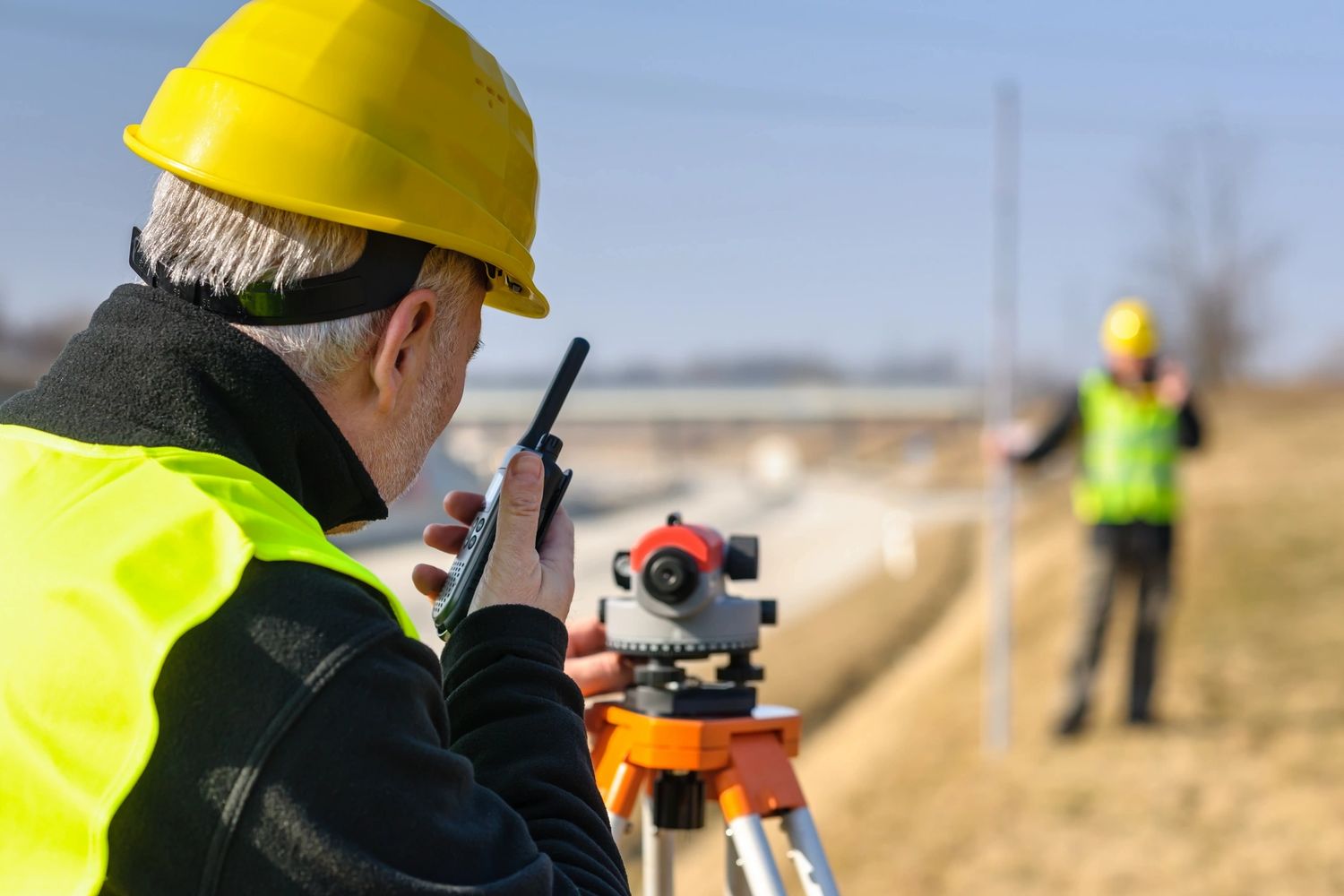
Dubai’s skyline didn’t rise by accident. Behind every landmark tower, residential community, and infrastructure corridor lies a foundation of careful planning, approvals, and precise surveying carried out by an experienced Dubai survey company. While design and construction often take center stage, surveying quietly shapes whether a project progresses smoothly or struggles with delays, disputes, and redesigns.
For developers and contractors, surveying is not just a technical formality, it is a strategic step that directly impacts timelines, budgets, and approvals. Understanding what authorities expect at each stage can make the difference between a confident start and a costly restart. Below are nine essential surveying requirements that every Dubai construction project must meet to remain compliant, efficient, and future-ready.
1. Clear Land Ownership and Boundary Verification
Every construction journey begins with certainty about the land itself. Boundary verification confirms that the physical limits of a plot match official land records and ownership documents.
In Dubai, even minor discrepancies between recorded boundaries and actual site conditions can trigger legal objections or approval delays. This process protects developers from unintentional encroachments and ensures neighboring properties are respected. It also provides peace of mind before significant investments are committed to design and construction.
2. Accurate Topographic Survey of the Site
A topographic survey captures the true character of the land, its elevations, contours, access points, and existing features. This information forms the backbone of architectural and engineering design.
Without accurate topographic data, drainage systems may fail, foundations may be misaligned, and access routes may require redesign mid-project. In Dubai’s diverse terrain, from reclaimed land to urban plots, this survey ensures that design decisions are grounded in reality rather than assumptions.
3. Utility Detection and Underground Surveying
What lies beneath the surface is just as important as what stands above it. Underground utility surveys identify existing services such as water pipelines, electrical cables, drainage networks, and telecom lines.
Early detection reduces the risk of accidental damage during excavation, which can lead to safety hazards and service disruptions. It also helps contractors plan excavation methods more accurately, reducing downtime and unexpected site changes once construction is underway.
4. Approved Site Demarcation and Setting-Out
Once plans are approved, designs must be translated precisely onto the ground. Site demarcation ensures that buildings, roads, and infrastructure elements are positioned exactly as approved.
Authorities closely review this stage because even small alignment errors can affect setbacks, access, or neighboring plots. Accurate setting-out avoids costly corrections later and ensures construction progresses with confidence from the very first structural element.
5. Compliance with Local Authority Survey Standards
Dubai follows strict surveying standards defined by regulatory bodies. These standards govern accuracy levels, coordinate systems, reporting formats, and verification procedures.
Failure to comply can result in repeated submissions, inspection failures, or approval rejection. Survey data that aligns with authority expectations accelerates review processes and builds trust with inspectors, allowing projects to move forward without unnecessary friction.
6. Monitoring and Control Surveys During Construction
Surveying does not end once construction begins. Ongoing monitoring ensures that structures remain aligned with approved designs throughout the build.
This requirement is especially critical for high-rise towers, bridges, and large developments where minor deviations can compound into major issues. Regular control surveys help teams identify problems early, correct them efficiently, and maintain structural integrity and safety standards.
7. As-Built Surveys for Final Approval
At the completion stage, authorities require as-built surveys to verify what has actually been constructed on site. These surveys document final dimensions, locations, and elevations.
As-built data plays a key role in obtaining completion certificates and occupancy approvals. It also serves as a long-term reference for maintenance, renovations, and future expansions, ensuring that accurate records remain available well beyond project handover.
8. Use of Advanced Survey Technology
Modern construction demands modern tools. Technologies such as GPS systems, total stations, drone surveys, and 3D laser scanning enhance accuracy and speed.
Developers increasingly rely on firms associated with the best online survey websites because digital workflows improve coordination and reporting. Advanced technology reduces manual errors, shortens survey timelines, and supports complex projects with greater precision than traditional methods alone.
9. Professional Expertise and Local Experience
Surveying accuracy depends not only on tools but also on expertise. Professionals with local experience understand approval workflows, documentation expectations, and common regulatory challenges.
Working with an experienced Dubai survey company helps anticipate potential issues before they escalate. Local knowledge allows surveyors to align technical data with authority requirements, reducing delays and ensuring smoother coordination between designers, contractors, and regulators.
Why These Requirements Matter More Than Ever
Dubai’s construction sector operates at a global scale, with strict oversight and high expectations. Overlooking even one surveying requirement can disrupt approvals, inflate costs, and delay delivery.
When all nine requirements are addressed correctly, surveying becomes a proactive support system rather than a compliance hurdle. It enables smarter planning, safer execution, and better decision-making across every project phase.
Building with Confidence, Not Corrections
Many construction challenges don’t begin on site, they begin with incomplete or inaccurate survey data. Projects that invest in proper surveying from the start experience fewer revisions, smoother inspections, and stronger stakeholder confidence.
Surveying supports clarity. It aligns vision with reality and ensures that every structure stands exactly where it should, built on data that can be trusted.
Conclusion
Meeting surveying requirements in Dubai is about more than compliance, it is about building responsibly in a complex, fast-moving environment. By following these nine essential surveying steps, developers can reduce risk, avoid setbacks, and move from planning to completion with confidence.
For those looking to better understand professional surveying practices and regulatory coordination in Dubai, comprehensive guidance and service insights are available through Lyca Survey. The company specializes in delivering accurate, authority-compliant survey solutions that support projects from initial planning to final approval. Their experienced team works across residential, commercial, and infrastructure projects, ensuring reliable data and clear documentation at every stage. By combining technical expertise with a practical understanding of Dubai’s construction environment, Lyca Survey supports smoother project execution and long-term development success.
