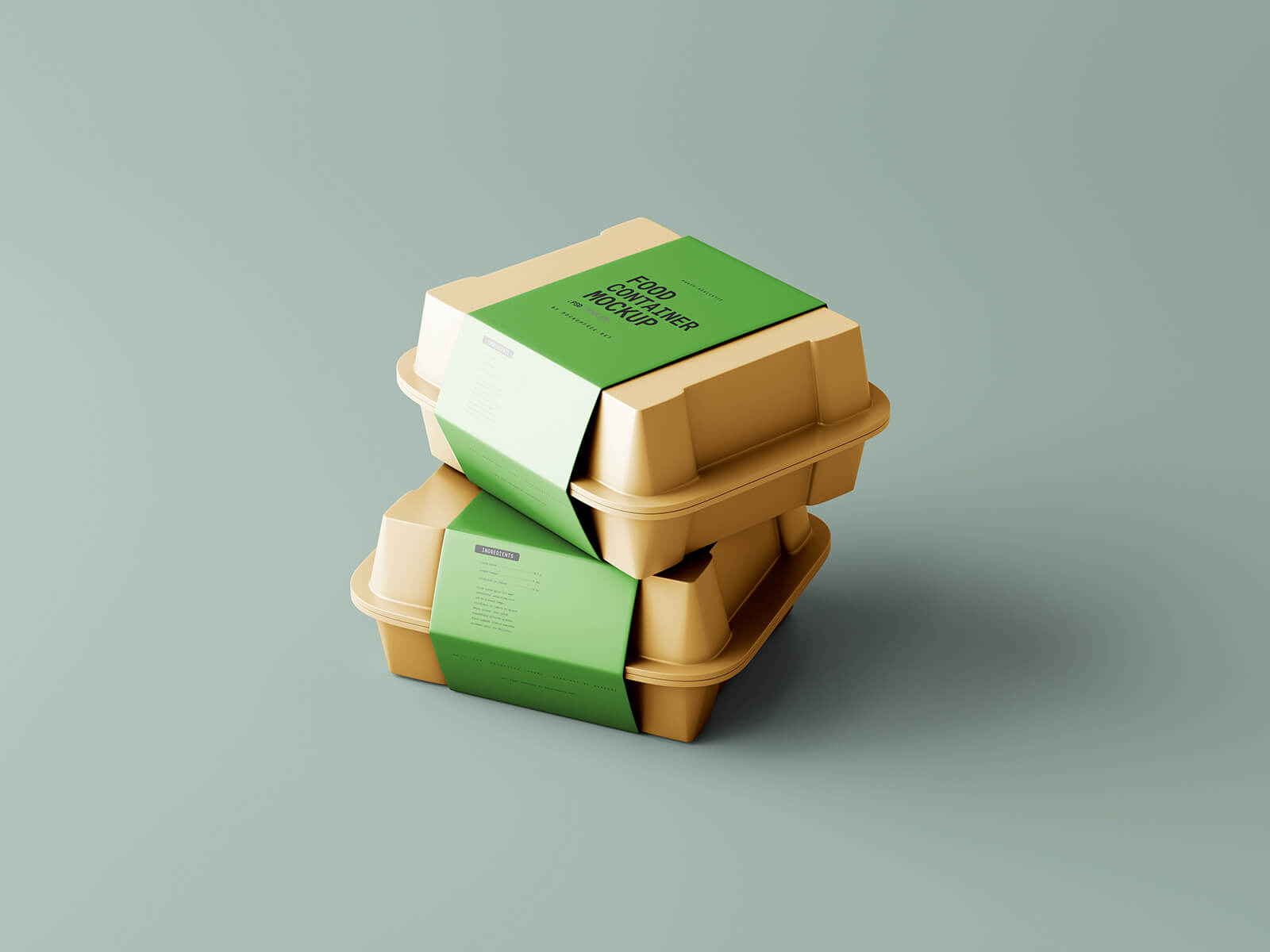
In the fast-paced world of food service, the packaging you choose for your meals can significantly impact both customer satisfaction and your business’s efficiency. Fast food businesses, in particular, rely heavily on packaging that is not only practical but also appealing, sustainable, and capable of keeping food fresh during transit. Selecting the right fast food boxes for your business is therefore an essential step in ensuring operational success and enhancing your brand image.
When it comes to selecting packaging, there are numerous options available in the market, each varying in size, material, and design. One reliable solution for many businesses is using fast food boxes, which are specifically designed to accommodate a range of food items, from burgers and sandwiches to fries and desserts. Investing in high-quality boxes ensures that the food remains intact, prevents spills, and creates a professional appearance that can leave a lasting impression on customers.
Consider the Type of Food You Serve
The type of food your business serves should heavily influence your choice of packaging. For example, greasy foods like fried chicken or fries require boxes that are oil-resistant and ventilated to prevent sogginess. On the other hand, meals that include sauces or soups need leak-proof containers to avoid messes during delivery. Understanding the characteristics of your menu items will help you choose boxes that maintain food quality and temperature.
In addition, consider whether your business offers takeout, delivery, or dine-in options. Boxes designed for delivery often need sturdier construction and secure lids, while takeout containers may prioritize ease of handling and stacking. A clear understanding of your service model ensures that your packaging supports operational efficiency and enhances the overall customer experience.
Focus on Material and Durability
Material selection is critical when choosing fast food boxes. Common materials include cardboard, corrugated paper, and biodegradable options. Each material offers different benefits. Cardboard boxes are lightweight and affordable, making them suitable for standard meals. Corrugated paper provides extra strength for heavier items or large orders, reducing the risk of damage during transport. Biodegradable and eco-friendly boxes have gained popularity as customers increasingly value sustainable packaging choices.
Durability is another important factor. Boxes should be strong enough to hold the food without collapsing, even when stacked or carried for long distances. Reinforced edges, secure locking mechanisms, and quality printing materials can contribute to the overall robustness of the packaging, ensuring that it can withstand daily business operations.
Size and Portion Considerations
The right size of fast food boxes can make a significant difference in presentation and portion control. Oversized boxes can make portions appear smaller, while undersized containers can crush the food or leave it spilling over. It’s important to select packaging that fits your menu items snugly, allowing room for toppings, sauces, and other components without compromising integrity.
Many suppliers offer boxes in multiple sizes and shapes to accommodate a variety of foods. Investing in a range of sizes ensures flexibility and the ability to cater to different customer preferences. Additionally, standardizing box sizes for particular menu items can simplify inventory management and reduce waste.
Branding and Aesthetic Appeal
Packaging is not just functional; it is also a marketing tool. Customizable fast food boxes provide an opportunity to showcase your brand identity through logos, colors, and design. A visually appealing box enhances the overall dining experience and can leave a lasting impression on customers, encouraging repeat business.
Consider how the design reflects your brand values. Simple and clean designs may convey a modern and professional image, while vibrant, playful graphics can appeal to younger audiences. High-quality printing and finishing also contribute to a premium feel, which can enhance perceived value.
Cost and Supplier Reliability
While it is tempting to choose the cheapest packaging option, balancing cost with quality is crucial. Inexpensive boxes may save money upfront but can compromise durability, presentation, and customer satisfaction. Working with a reliable supplier ensures consistent quality, timely deliveries, and the ability to meet fluctuating demand.
It is also wise to order samples before committing to large quantities. Testing boxes with actual menu items allows you to assess durability, size, and ease of use. A trusted supplier can guide you in selecting the right type, material, and design for your specific needs, reducing the risk of costly mistakes.
Conclusion
Selecting the right fast food boxes for your business involves careful consideration of food type, material, size, durability, branding, and cost. The ideal packaging not only protects food but also enhances customer satisfaction and reinforces your brand image. By investing in high-quality boxes tailored to your menu and operational needs, you can improve efficiency, reduce waste, and create a professional appearance that resonates with your customers. Remember, packaging is more than just a container—it is a reflection of your business’s quality and commitment to excellence.

George is the voice behind Wisdomised, a news blog dedicated to delivering fresh, engaging stories that keep readers both informed and entertained. With a sharp eye for current events and trending topics, George crafts posts that make complex news accessible and enjoyable. His unique perspective and storytelling skills bring a refreshing twist to every update, inviting readers to explore the world through Wisdomised.