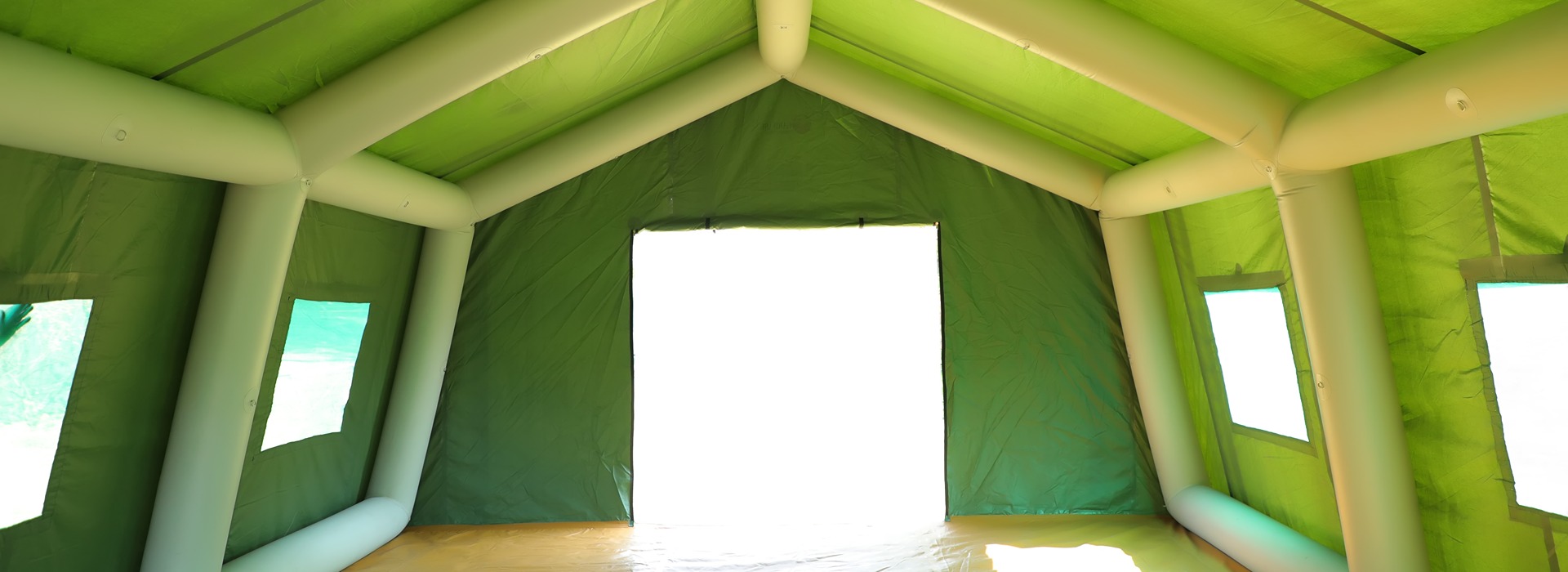
Inflatable military tents have become a critical asset for armed forces around the world due to their rapid deployment, portability, and versatility. These tents are used in various applications, including field hospitals, command centers, storage facilities, and temporary shelters in extreme conditions. Unlike standard recreational or commercial inflatable tents, military-grade inflatable tents must meet stringent durability and safety standards to withstand harsh environments, repeated use, and high-stress situations.
Professional Inflatable Military Tent Manufacturers focus on designing tents that combine structural integrity, lightweight construction, and operational safety. Their approach involves careful material selection, advanced construction techniques, and rigorous testing to ensure that military personnel can rely on these tents in both combat and non-combat operations.
High-Strength Materials for Extreme Conditions
The first step in ensuring durability is selecting appropriate materials. Inflatable military tents are typically constructed using high-strength PVC-coated polyester, heavy-duty Oxford fabric with polyurethane coatings, or laminated airtight textiles. These fabrics provide resistance against tearing, punctures, UV degradation, and water penetration.
Seams and stress points are reinforced using high-frequency welding and double-layer stitching to withstand high tension and repeated inflation cycles. The use of fire-retardant coatings and chemical-resistant treatments further enhances safety, protecting personnel and equipment in hostile or hazardous environments.
Structural Design and Multi-Chamber Technology
Durability is also achieved through advanced structural design. Inflatable military tents often feature multi-chamber systems and internal baffles that evenly distribute air pressure, ensuring stability even in strong winds or uneven terrain.
Multi-chamber designs provide redundancy, meaning that if one air chamber is compromised, the remaining chambers maintain structural integrity. This feature is crucial for military operations where safety cannot be compromised. Additionally, reinforced anchor points, strategically positioned loops, and robust ground attachments help maintain stability and prevent tipping during high-stress conditions.
Rigorous Testing and Quality Assurance
Inflatable military tents undergo rigorous testing to verify their durability and safety. Manufacturers simulate extreme weather conditions, including high winds, heavy rain, and temperature variations, to ensure tents maintain shape and structural integrity. Load tests are conducted to evaluate how the tents perform under weight and pressure, including the installation of heavy equipment or temporary interior structures.
Quality assurance includes thorough inspections of materials, seams, valves, and internal baffles. Any minor defect detected during these inspections is corrected before the tent is deployed, guaranteeing that military personnel receive reliable and safe equipment in the field.
Valves, Air Pressure Management, and Safety Features
Maintaining proper air pressure is essential for inflatable military tents. High-quality valves and internal air distribution systems are designed to prevent sudden air loss and ensure uniform inflation. Redundant valves and pressure relief systems protect the tent from over-inflation, which could stress seams or compromise structural integrity.
Safety features also include fire-retardant fabrics, chemical-resistant coatings, and reinforced entry points. Some tents are equipped with integrated grounding systems to protect occupants from electrical hazards, particularly in emergency or operational settings.
Portability and Rapid Deployment
Durability and safety also depend on ease of deployment. Inflatable military tents are designed for rapid setup by a small team, often in under an hour. Lightweight yet strong materials, along with modular designs, allow tents to be transported efficiently in military vehicles or air-dropped in emergency situations.
Rapid deployment not only ensures operational readiness but also minimizes wear caused by prolonged handling or improper setup, contributing to the tent’s longevity and reliability in the field.
Maintenance and Longevity
Maintaining military tents is a key factor in durability and safety. Regular inspection, cleaning, and proper storage prevent damage to the fabric, seams, and valves. Repairs can often be performed in the field using repair kits provided by manufacturers, ensuring that tents remain functional and safe during prolonged deployments.
Modular designs also allow for partial replacement of damaged components, reducing the need to replace the entire tent and extending overall lifespan.
Adaptability for Diverse Military Applications
Inflatable military tents are designed to serve multiple functions without compromising safety or durability. Field hospitals require sterile, stable environments, while command centers need secure communication setups. Storage tents must withstand heavy loads and frequent movement. Manufacturers design tents to meet these diverse requirements by optimizing materials, structural design, and safety features, ensuring that each type of tent fulfills its intended operational role.
Conclusion
Inflatable military tents are engineered to provide durable, reliable, and safe shelter in some of the most challenging environments. By combining high-strength materials, reinforced structural designs, multi-chamber systems, rigorous testing, and comprehensive safety features, inflatable military tent manufacturers ensure that these tents meet strict operational requirements. Proper maintenance and modular design further enhance longevity and adaptability, making them essential assets for military operations, emergency response, and field deployments. Their combination of portability, rapid deployment, and resilience makes inflatable military tents an indispensable solution for modern armed forces worldwide.

George is the voice behind Wisdomised, a news blog dedicated to delivering fresh, engaging stories that keep readers both informed and entertained. With a sharp eye for current events and trending topics, George crafts posts that make complex news accessible and enjoyable. His unique perspective and storytelling skills bring a refreshing twist to every update, inviting readers to explore the world through Wisdomised.