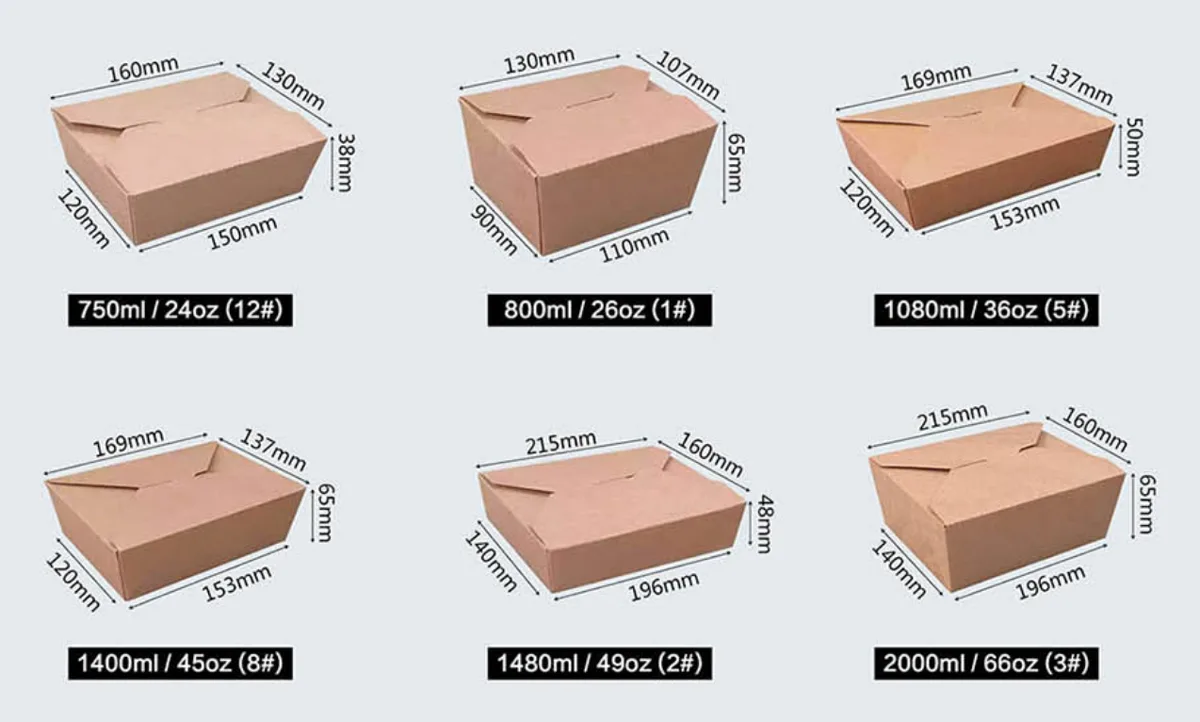
In the fast food industry, packaging is more than just a container—it is an essential component in maintaining food quality, presentation, and safety. Two critical aspects of packaging for hot and oily foods are grease resistance and heat retention. These properties ensure that meals reach customers in optimal condition, enhancing the dining experience while preventing mess and contamination. Fast food boxes are specifically designed to meet these requirements, making them a vital tool for restaurants, delivery services, and takeaway operations.
Fast food boxes must withstand the challenges posed by greasy or oily foods, such as burgers, fried items, and sandwiches with sauces. Grease can seep through traditional paper, causing the packaging to weaken or leak, which not only affects presentation but also creates hygiene concerns. A reliable Fast Food Boxes supplier offers boxes made from grease-resistant materials or coated paper that prevents leakage while keeping the food secure. Simultaneously, heat retention is essential for maintaining the ideal temperature of hot meals, ensuring that customers enjoy their food as intended, even after transport.
Grease Resistance in Fast Food Boxes
Grease resistance is achieved by using specialized materials and coatings that create a barrier between the food and the box. Common methods include:
- Polyethylene Coatings: PE-coated paperboard is widely used for its ability to prevent oils and liquids from soaking through. This coating ensures that even greasy foods like fries and fried chicken remain contained without compromising the structural integrity of the box.
- Wax and Water-Based Coatings: Some boxes use wax or water-based treatments that create a thin, grease-repellent layer. These are often used in eco-friendly or biodegradable boxes, allowing sustainability without sacrificing functionality.
- Kraft Paper and Laminates: Kraft paper provides natural strength and durability, and when combined with laminates or coatings, it becomes highly resistant to oils. Laminated kraft boxes are popular for both takeaway and delivery services.
Grease resistance is crucial not only for preventing leaks but also for maintaining hygiene. Boxes that resist oil penetration minimize the risk of contamination and mess, ensuring that meals arrive safely to the customer.
Heat Retention Features
Heat retention in fast food boxes is equally important, particularly for hot items like burgers, nuggets, or fried foods. Proper heat retention ensures that meals stay warm during transport, enhancing flavor, texture, and overall satisfaction. Techniques used to improve heat retention include:
- Insulated Paperboard: Some fast food boxes use thicker paperboard or layered designs that provide natural insulation, keeping heat trapped inside the box.
- Vented Lids: Controlled ventilation allows steam to escape while preventing excessive heat loss. This feature is particularly useful for fried foods, as it prevents sogginess while maintaining warmth.
- Foil or Plastic Linings: Certain boxes include foil or food-safe plastic linings that enhance heat retention for longer periods, making them ideal for delivery services where meals may take time to reach the customer.
Heat retention not only improves customer satisfaction but also ensures that meals arrive in safe, consumable conditions. Hot foods that cool too quickly can lose texture and flavor, impacting the overall dining experience.
Combining Grease Resistance and Heat Retention
Modern fast food boxes are often designed to combine grease resistance and heat retention in a single package. High-quality materials and coatings ensure that the box can withstand both hot temperatures and oily foods simultaneously. These dual-function boxes are particularly beneficial for delivery and takeaway services, where meals must endure handling, transit, and varying environmental conditions without compromising quality.
Combination designs may include coated paperboard with insulating layers or vented lids, ensuring that fried, saucy, or oily foods stay hot and contained until consumption. This integrated approach enhances functionality, reliability, and customer satisfaction.
Benefits for Food Businesses
Using fast food boxes with effective grease resistance and heat retention provides several benefits for food businesses:
- Enhanced Customer Experience: Meals arrive warm, fresh, and presentable, increasing satisfaction and encouraging repeat orders.
- Operational Efficiency: Reliable packaging reduces spills, mess, and waste, streamlining takeaway and delivery processes.
- Brand Image: High-quality boxes reflect professionalism and care, reinforcing a positive perception of the business.
- Compliance and Safety: Boxes that maintain integrity and temperature help ensure that meals meet health and safety standards.
Sustainability Considerations
Many suppliers now offer grease-resistant and heat-retaining boxes made from eco-friendly materials, such as biodegradable coatings or recycled paperboard. These sustainable options allow businesses to meet environmental goals while still delivering functional, high-performance packaging. Eco-friendly boxes appeal to environmentally conscious consumers and enhance the brand’s reputation for responsible practices.
Conclusion
Grease resistance and heat retention are critical features of fast food boxes that ensure meals arrive to customers in optimal condition. By preventing leaks and maintaining temperature, these boxes enhance food safety, presentation, and overall dining experience. High-quality boxes combine durable materials, coatings, and innovative designs to address the challenges of oily and hot foods. Partnering with a trusted Fast Food Boxes supplier enables food businesses to access packaging solutions that meet operational, safety, and sustainability goals, ultimately improving customer satisfaction and supporting business growth.

George is the voice behind Wisdomised, a news blog dedicated to delivering fresh, engaging stories that keep readers both informed and entertained. With a sharp eye for current events and trending topics, George crafts posts that make complex news accessible and enjoyable. His unique perspective and storytelling skills bring a refreshing twist to every update, inviting readers to explore the world through Wisdomised.