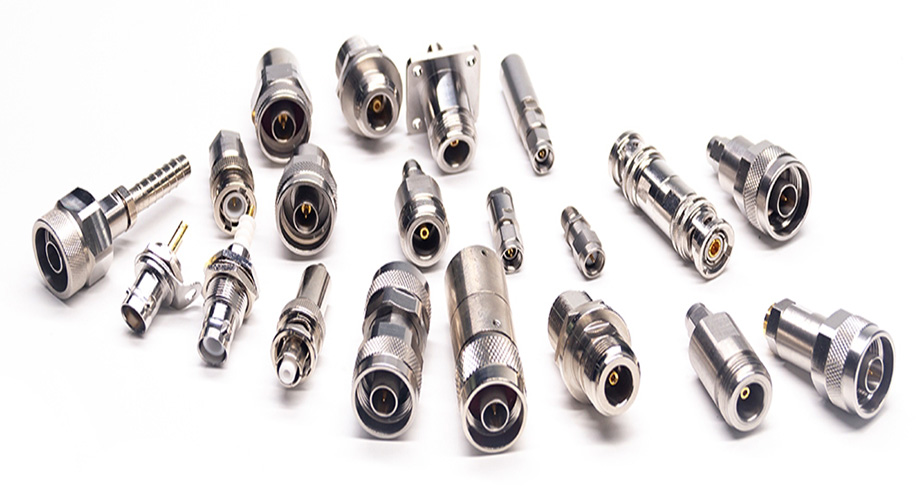
Selecting RF connectors for electronic systems involves a careful balance between cost and quality. RF connectors are critical components that ensure high-frequency signal transmission with minimal loss, interference, and distortion. They are widely used in telecommunications, aerospace, defense, medical devices, and industrial applications. Choosing the right connector is not just about finding the lowest price; it is about ensuring long-term reliability, optimal performance, and reduced maintenance costs. Understanding the trade-offs between cost and quality is essential for engineers and procurement professionals when selecting the best RF connectors for their projects.
Understanding the Cost Factor
The cost of RF connectors can vary significantly depending on the type, materials, manufacturing process, and performance specifications. Standard connectors, such as BNC, SMA, or MCX, are generally more affordable and suitable for general-purpose applications. Lower-cost connectors are often made with standard metals, simpler plating, and basic mechanical designs, which can be sufficient for low-frequency or less demanding applications.
However, cost alone should not dictate the choice of RF connectors. Using low-cost connectors in high-frequency, high-power, or mission-critical applications may result in signal degradation, connector failure, or frequent replacements, ultimately increasing operational costs. Investing in high-quality components often leads to better long-term value. Businesses seeking reliable performance can benefit from suppliers that provide the Best RF Connectors, which combine durability, precision, and consistent electrical performance with reasonable cost considerations.
Quality Considerations in RF Connectors
Quality in RF connectors encompasses multiple aspects, including materials, manufacturing tolerances, plating, dielectric properties, and mechanical design. Conductive materials such as copper, brass, or beryllium copper, combined with gold, silver, or nickel plating, ensure low contact resistance and minimal signal loss. High-quality dielectric materials, such as PTFE or specialized polymers, provide insulation and maintain impedance stability across a wide frequency range.
Mechanical precision is equally important. Threaded connectors like SMA and TNC offer secure connections, while snap-on connectors such as SMB and MCX provide convenience without compromising signal integrity. High-quality connectors are tested for durability under repeated mating cycles, mechanical stress, vibration, and environmental exposure, ensuring consistent performance in demanding conditions.
Performance vs Cost Trade-Off
When selecting RF connectors, there is often a trade-off between upfront cost and performance. Low-cost connectors may suffice for short-term or low-frequency applications, but they may not withstand high-frequency operation, environmental stress, or repeated usage. Higher-quality connectors typically come at a premium but offer long-term benefits such as:
- Durability: High-quality connectors withstand frequent mating cycles, vibration, and mechanical stress, reducing the need for replacements.
- Signal Integrity: Precision manufacturing ensures low insertion loss, stable impedance, and minimal return loss, which is essential for high-frequency systems.
- Environmental Resistance: Ruggedized connectors with corrosion-resistant plating and weatherproof designs perform reliably in harsh conditions.
- Compliance: Quality connectors adhere to industry standards such as MIL-STD, ISO, and RoHS, ensuring safety, reliability, and regulatory compliance.
Investing in high-quality connectors can reduce maintenance costs, prevent system downtime, and improve overall reliability, which often outweighs the higher initial purchase price.
Assessing Supplier Reliability
Another factor influencing cost vs quality is the reliability of the supplier. A reputable RF connector supplier provides high-quality components, technical support, and access to a range of standard and custom solutions. Suppliers that invest in research, testing, and quality control ensure that their connectors meet rigorous performance standards, reducing the risk of failures in critical systems.
Working with a trusted supplier also helps in selecting connectors that match specific application requirements, avoiding over-engineering or underperformance. Access to tested, certified, and reliable connectors simplifies procurement and ensures long-term operational efficiency.
Balancing Cost and Quality
Balancing cost and quality requires a careful assessment of the application requirements, expected usage, and environmental conditions. For mission-critical applications, high-quality connectors are indispensable, as failure can result in signal loss, equipment damage, or operational hazards. For less demanding applications, cost-effective connectors may be sufficient, provided they meet the minimum performance and reliability standards.
Key considerations when balancing cost and quality include:
- Expected frequency range and power levels
- Environmental conditions such as temperature, humidity, and vibration
- Mating cycle frequency and mechanical stress
- Long-term maintenance and replacement costs
- Compliance with industry standards
Conclusion
Selecting the best RF connectors involves more than just evaluating price; it requires understanding the trade-offs between cost, performance, durability, and long-term reliability. Low-cost connectors may be suitable for basic applications, but high-quality connectors offer superior electrical performance, mechanical resilience, and environmental resistance.
Partnering with a supplier that provides the Best RF Connectors ensures access to components that meet stringent performance standards, offering reliable, long-lasting solutions. By carefully assessing application requirements and weighing cost against quality, businesses can make informed decisions that optimize system performance, reduce maintenance expenses, and ensure operational success in high-frequency electronic systems.

George is the voice behind Wisdomised, a news blog dedicated to delivering fresh, engaging stories that keep readers both informed and entertained. With a sharp eye for current events and trending topics, George crafts posts that make complex news accessible and enjoyable. His unique perspective and storytelling skills bring a refreshing twist to every update, inviting readers to explore the world through Wisdomised.