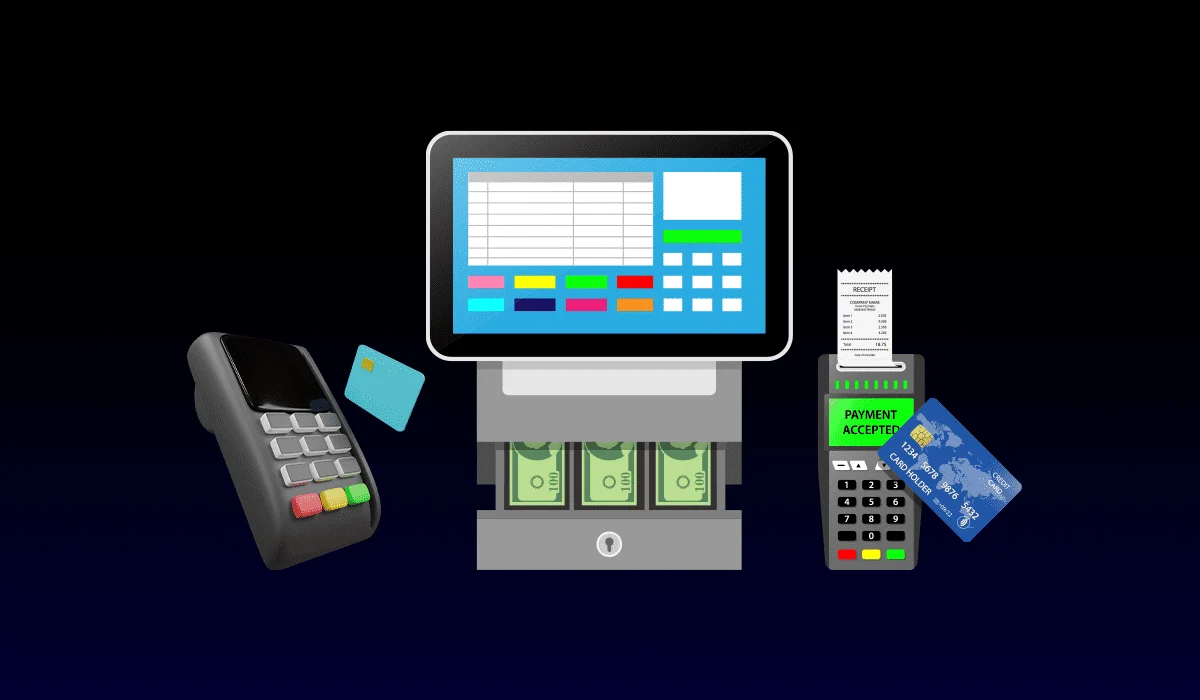
A Point of Sale (POS) system has become an indispensable tool for modern businesses, streamlining transactions, inventory management, and customer relationship processes. Understanding the architecture of a POS system and its core components is crucial for businesses looking to enhance operational efficiency and improve customer experience. A well-designed POS system integrates hardware, software, and networking components to provide a seamless transactional experience, whether in a retail store, restaurant, or other service-based business.
At its core, a POS system functions as the central hub for recording sales transactions, managing inventory, and analyzing business performance. The architecture of a POS system typically follows a modular approach, allowing businesses to scale and customize features according to their needs. This modularity ensures that each component, from the user interface to backend servers, works cohesively while providing flexibility for future upgrades. For businesses exploring advanced solutions, a Complete POS System offers a robust, integrated platform that combines essential functionalities with ease of use, helping streamline daily operations and improve overall productivity.
Core Components of a POS System
A POS system consists of several interrelated components that work together to execute transactions efficiently. These components can be broadly categorized into hardware, software, and network systems.
1. POS Hardware
Hardware forms the physical foundation of a POS system. Essential hardware components include:
- POS Terminals: These are the primary interface devices where transactions occur. Modern POS terminals can be touchscreens, tablets, or traditional desktop computers, equipped with software that enables sales processing.
- Cash Registers: Though largely replaced by digital terminals, cash registers are still used in some businesses for cash handling and reporting.
- Barcode Scanners: These devices scan product codes, enabling quick and accurate input of product information into the system.
- Receipt Printers: Used for printing sales receipts, these printers can be thermal or impact-based depending on business requirements.
- Payment Devices: Card readers and mobile payment terminals facilitate credit, debit, and contactless payments, supporting multiple payment methods seamlessly.
2. POS Software
The software component of a POS system is the backbone that drives operational functionality. It can be categorized into front-end and back-end software:
- Front-End Software: This includes the user interface where sales clerks or cashiers interact with the system. The front-end software simplifies order entry, payment processing, and customer management.
- Back-End Software: This manages inventory, reporting, and analytics. It allows businesses to monitor sales trends, stock levels, and employee performance. Back-end systems often include integrations with accounting and CRM software for a holistic business management approach.
POS software can be either cloud-based or locally installed. Cloud-based POS systems provide remote access, automatic updates, and easier data backup, whereas local systems may offer faster processing speeds and greater control over data storage.
3. Networking and Data Management
Networking is essential for connecting POS terminals, payment devices, and backend servers. A robust network ensures that data flows smoothly between devices and that transactions are recorded in real-time. Key considerations in POS networking include:
- Local Area Network (LAN): For in-store connectivity, LANs connect all POS devices to a central server.
- Internet Connectivity: Cloud-based POS systems rely on stable internet connections for processing transactions and synchronizing data.
- Data Security: Given the sensitive nature of financial and customer information, POS systems incorporate encryption protocols, firewalls, and secure payment gateways to prevent data breaches.
4. Peripheral Integrations
Many POS systems support additional peripherals that enhance functionality:
- Customer Displays: Allow customers to view transaction details in real-time.
- Kitchen Printers: Common in restaurants to send orders directly to the kitchen.
- Scales and RFID Readers: Useful in grocery stores or specialty retail for precise weighing and tracking of products.
5. Reporting and Analytics
An often overlooked but critical component of POS systems is reporting and analytics. Modern POS solutions offer dashboards that track sales performance, inventory turnover, and customer behavior. These insights help business owners make data-driven decisions, optimize stock levels, and develop marketing strategies that target loyal customers.
Benefits of a Well-Structured POS Architecture
A well-architected POS system offers multiple advantages:
- Operational Efficiency: Automates routine tasks like billing, inventory updates, and sales reporting.
- Accuracy: Reduces human errors in transactions and stock management.
- Scalability: Modular architecture allows businesses to add new features or devices as they grow.
- Enhanced Customer Experience: Faster checkout processes, multiple payment options, and personalized services improve customer satisfaction.
Conclusion
Understanding the architecture and core components of a POS system is essential for businesses aiming to modernize their operations. From hardware to software, networking, and reporting tools, each element plays a vital role in ensuring smooth, efficient, and secure business transactions. Investing in a reliable and integrated POS solution, such as a Complete POS System, enables businesses to streamline operations, improve accuracy, and enhance the customer experience, ultimately contributing to long-term growth and success.
By carefully evaluating each component and understanding its role within the system, businesses can design a POS infrastructure that is not only effective today but also adaptable to future technological advancements.

George is the voice behind Wisdomised, a news blog dedicated to delivering fresh, engaging stories that keep readers both informed and entertained. With a sharp eye for current events and trending topics, George crafts posts that make complex news accessible and enjoyable. His unique perspective and storytelling skills bring a refreshing twist to every update, inviting readers to explore the world through Wisdomised.