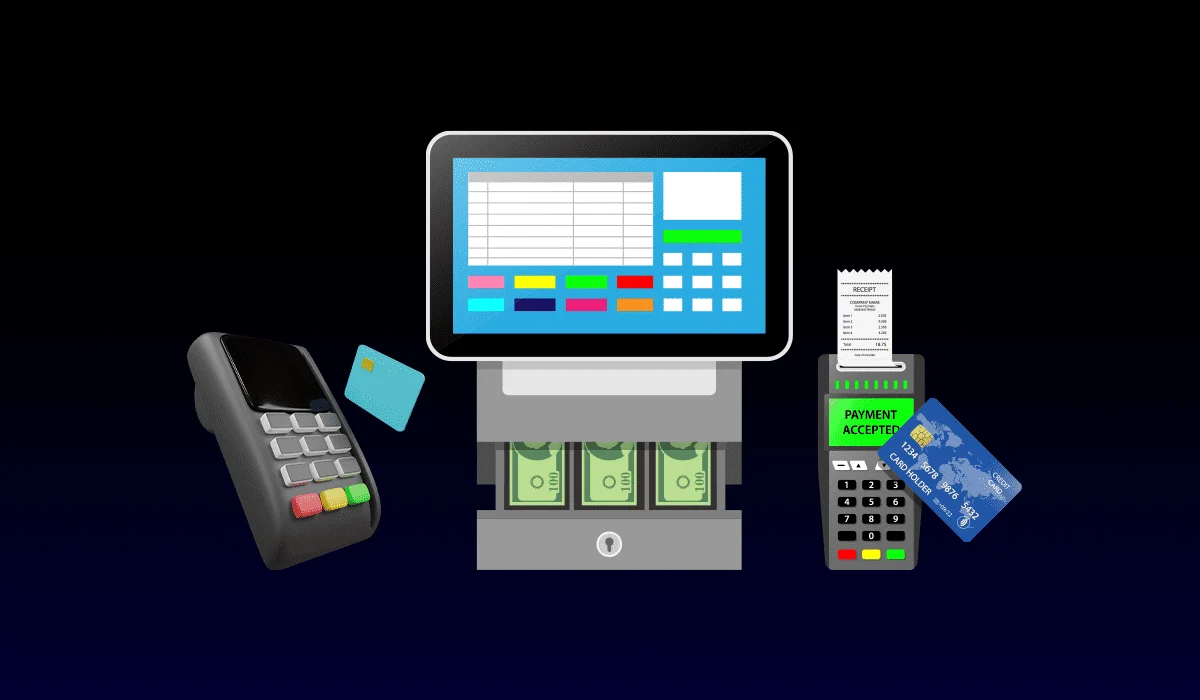
Introduction to POS System Deployment Models
Choosing the right point-of-sale (POS) solution is a crucial decision for businesses seeking efficiency, accuracy, and customer satisfaction at checkout. Traditional POS systems have long relied on on-site hardware and software, but cloud computing has introduced powerful alternatives. As business operations grow more complex, owners must understand the differences between cloud-based and on-premise POS solutions to determine which best aligns with their goals.
Both deployment models are designed to support sales transactions, inventory management, and customer data tracking, yet they differ significantly in how the software is installed, managed, and accessed. A key component for many businesses is whether they prefer local control of infrastructure or the flexibility of remote access. When evaluating these options, it is also important to consider scalability, cost, data security, downtime risks, and the types of features needed to support daily operations.
A comprehensive comparison helps business owners weigh these factors and select a solution that improves operational workflows while minimizing risk. Modern enterprises increasingly demand solutions that integrate transaction processing, reporting, and customer relationship features into an adaptable platform.
Understanding Cloud-Based and On-Premise POS Systems
Before diving into the differences, it is essential to define the two primary models:
- Cloud-Based POS Systems host data and software on remote servers maintained by the vendor. Users access the system via the internet, often through web browsers or dedicated apps. Updates, backups, and most maintenance are handled by the service provider.
- On-Premise POS Systems are installed directly on hardware located within the business premises. The business owns the servers and is responsible for maintenance, updates, data backups, and security.
When considering advanced solutions that unify key operational functions, a Complete POS System refers to a comprehensive platform that includes sales processing, inventory management, reporting analytics, and customer data tracking. Depending on the deployment choice, this all-in-one system can either run from the cloud or be hosted on local servers.
Accessibility and Flexibility
One of the most obvious differences between cloud-based and on-premise systems is accessibility.
Cloud-based POS systems can be accessed from any device with an internet connection, allowing managers to monitor sales, inventory, and reports from remote locations. This makes cloud POS particularly appealing for businesses with multiple stores or managers who travel frequently. Real-time data synchronization ensures that all locations share a single source of truth, reducing discrepancies and operational confusion.
In contrast, on-premise systems are typically accessible only within the business network unless remote access features are explicitly configured. While this may appeal to businesses with strict control requirements, it can be limiting for owners who want to view performance metrics or respond to issues outside business hours.
Cost and Total Ownership
Cost considerations often play a significant role in choosing between cloud-based and on-premise POS systems. Cloud POS solutions usually operate on a subscription model, where businesses pay a monthly or annual fee. This fee can include software licensing, hosting, automatic updates, and support. Because cloud systems do not require significant upfront investment in servers or infrastructure, they tend to be more accessible to small and medium-sized businesses.
On-premise systems, on the other hand, typically involve higher upfront costs for hardware, software licenses, and installation services. Additionally, businesses must allocate budget for ongoing maintenance, IT staff or consultant fees, and periodic software upgrades. Over time, on-premise solutions may prove cost-effective for larger enterprises that can absorb these costs and prefer fixed investments rather than ongoing subscriptions.
Data Security and Control
There is a common misconception that on-premise systems are inherently more secure than cloud-based ones. In reality, both deployment models offer strong data protection when properly managed, but the responsibility for securing information differs.
With cloud POS solutions, the vendor is responsible for implementing security measures such as encryption, firewalls, and secure data centers. Reputable providers invest heavily in cybersecurity infrastructure and comply with standards designed to protect sensitive financial and customer data. Additionally, cloud backups reduce the risk of data loss due to local hardware failures or disasters.
On-premise systems give businesses full control over their data, which can be advantageous for companies operating in highly regulated industries. However, this control comes with the responsibility of managing security internally. Businesses must implement their own firewalls, backup systems, and disaster-recovery plans. Without dedicated IT resources, it can be challenging to maintain the same level of protection offered by cloud providers.
Reliability and Downtime
Cloud-based POS systems rely on internet connectivity. If the network goes down, businesses may experience service interruptions unless offline mode features are available. Many modern cloud platforms include offline capabilities that store transaction data locally and sync when the connection is restored, but there is still potential for delays in processing.
On-premise systems do not depend on internet access for daily operations, which can provide more stable performance during connectivity outages. However, they are dependent on local hardware stability; server failures or technical issues can halt operations if backup systems are not in place.
Conclusion: Choosing What’s Best for Your Business
Both cloud-based and on-premise POS deployment models have distinct advantages. Cloud POS offers flexibility, lower upfront costs, easy scalability, and vendor-managed security, making it ideal for businesses seeking agility and remote access. On-premise solutions provide local control and independence from internet connectivity, which can benefit organizations with established infrastructure or specific compliance needs.
When selecting the right POS solution, businesses should consider their current size, growth plans, technical resources, and budget. Whether opting for a cloud-hosted platform or an on-site installation, the goal remains the same: to improve transaction efficiency, gain actionable insights, and enhance overall operational performance. Ultimately, understanding these differences ensures a more informed decision that supports long-term success in a competitive marketplace.

George is the voice behind Wisdomised, a news blog dedicated to delivering fresh, engaging stories that keep readers both informed and entertained. With a sharp eye for current events and trending topics, George crafts posts that make complex news accessible and enjoyable. His unique perspective and storytelling skills bring a refreshing twist to every update, inviting readers to explore the world through Wisdomised.