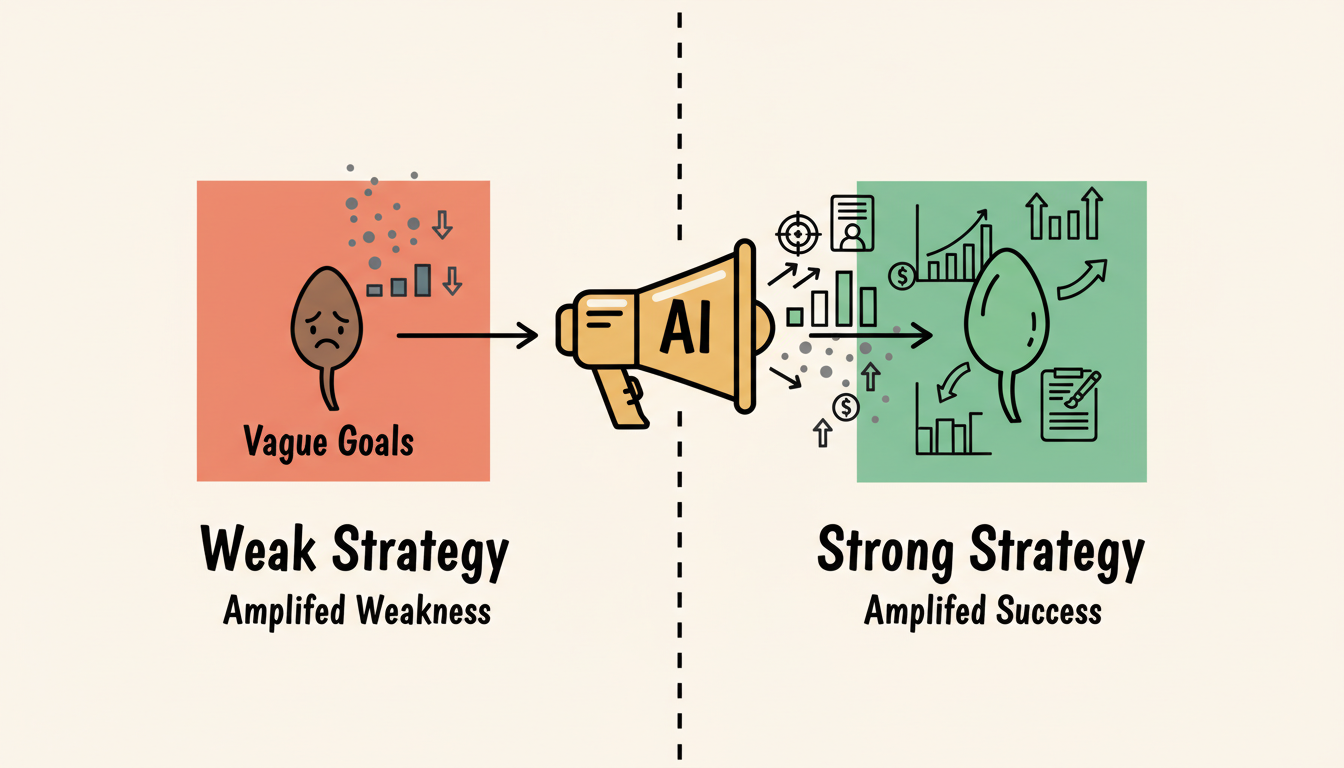
Most conversations about AI in advertising focus on tools. Which platform. Which model. Which automation feature. That’s the wrong frame.
The best ai advertising campaigns succeed because of decisions, not software. The AI executes. Humans define the strategy, the audience, and the success criteria. Understanding what separates great campaigns from average ones starts there.
What Most Campaigns Get Wrong
The most common mistake is treating AI as a replacement for strategy. Teams hand a campaign to an AI system, assume the optimization will handle everything, and then wonder why results plateau after a few weeks.
AI can’t define your value proposition. It can’t identify which customer segment has the most lifetime value. It can’t decide whether you should prioritize brand awareness or direct conversion.
The AI amplifies the strategy you give it. A weak strategy, amplified, is still a weak strategy.
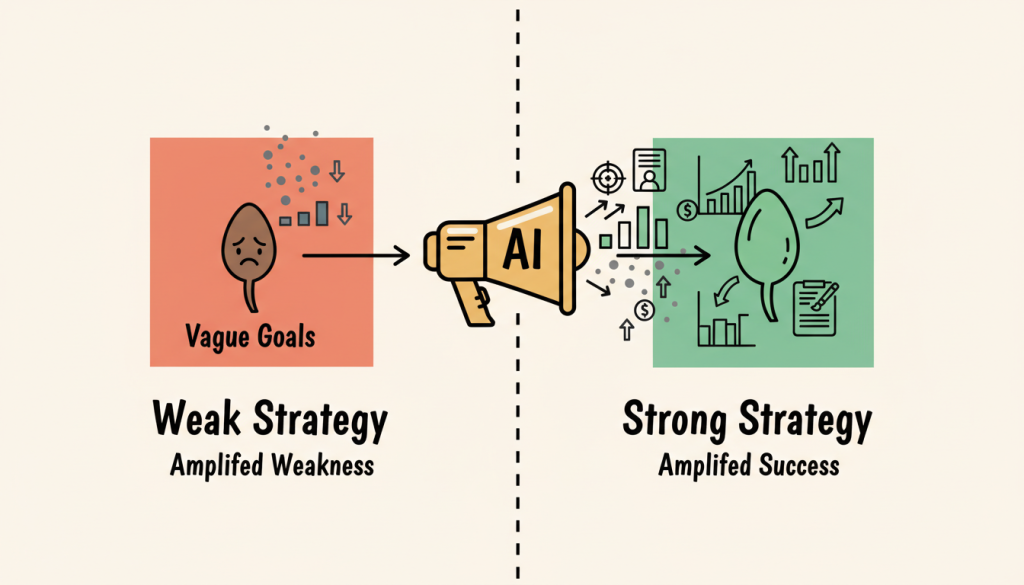
The best artificial intelligence advertising campaigns start with precise targeting decisions, clear conversion goals, and a strong creative hypothesis. Then they let AI scale and optimize from that foundation.
Criteria Checklist: What Separates Top AI Advertising Campaigns
They Run Across Multiple Channels Simultaneously
The best campaigns don’t silo channels. They run coordinated efforts across Google, Meta, and LinkedIn at the same time. AI manages budget allocation between channels dynamically, moving spend toward wherever performance is strongest. Single-channel campaigns leave conversion opportunities on the table.
They Treat Creative as a Continuous Test
Top campaigns treat every ad as a hypothesis. They test multiple headlines, images, copy variations, and calls to action simultaneously. AI identifies winners faster than any human review cycle. The teams behind the best campaigns never “finish” creative — they keep iterating based on live performance data.
They Optimize for Full-Funnel Outcomes
Click-through rate is a means, not an end. The best ai in advertising examples use attribution modeling to connect campaign activity to actual business outcomes: purchases, sign-ups, demos booked, revenue closed. That attribution data then flows back into the optimization loop, teaching the AI what “success” actually looks like.
They Adjust Budgets in Real Time
Static budgets are a constraint on performance. The highest-performing campaigns shift budget automatically as signals emerge. When a specific audience segment or ad format starts outperforming, spend shifts toward it without waiting for a weekly review. That responsiveness is a structural advantage over manual management.
They Are Built for Learning, Not Just Execution
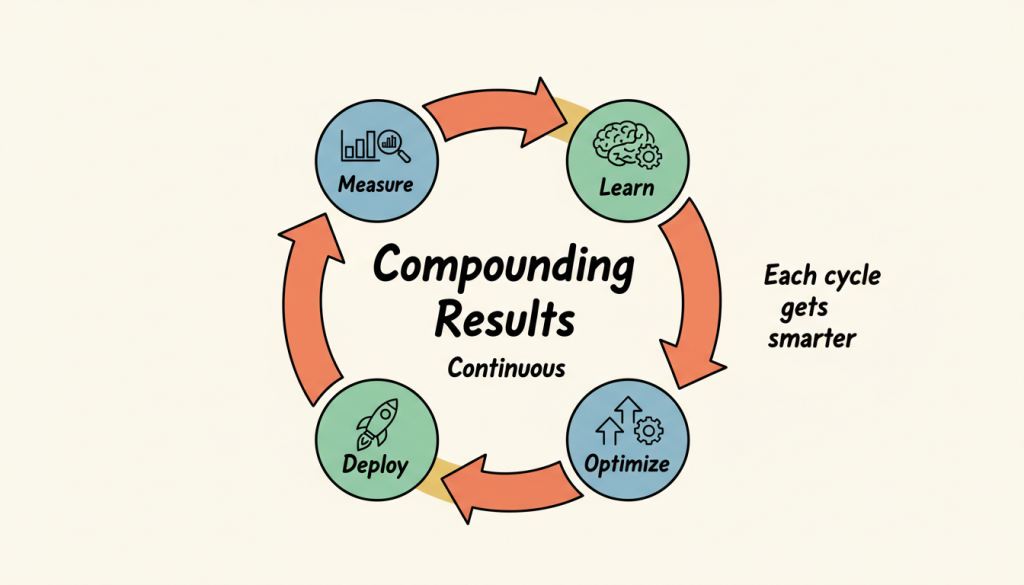
Short campaigns don’t give AI enough data to learn from. The campaigns that perform best are structured with learning phases built in. The first 30 days are often about signal collection. The optimization compounds from there. Teams that kill campaigns too early never see the inflection point. An effective ai advertising agency handles this automatically across every channel.
Practical Tips for Marketing Directors
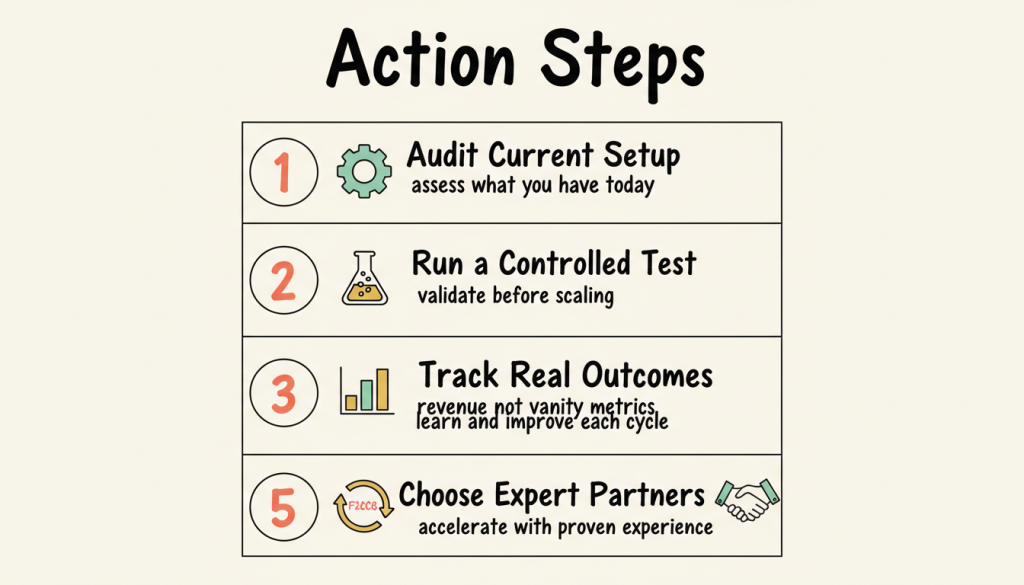
Define your conversion goal before you touch the platform. AI optimizes toward what you tell it to optimize toward. Vague goals produce vague results. Be specific: cost per acquisition, cost per lead, return on ad spend.
Invest in creative diversity upfront. The more creative variations you start with, the faster the AI can identify what resonates. Launching with one or two ad variations limits learning.
Build attribution before you scale. Scaling spend without proper attribution means scaling blind. Know what’s driving conversions before you increase budget.
Resist the urge to optimize too early. AI bidding strategies need time to accumulate data. Changing campaign settings in the first two weeks resets the learning phase. Let the system run.
Work with partners who understand AI execution. Strategy and execution are both required. An ai advertising agency that specializes in AI-driven campaigns brings pattern recognition from dozens of accounts — not just theory. That shortens the learning curve significantly.
The Competitive Pressure Is Real
The campaigns outperforming yours right now are not running on bigger budgets. They’re running on better systems. They’re testing more, attributing accurately, and compounding learnings faster.
The gap between good and great AI advertising campaigns isn’t about budget. It’s about discipline and feedback loops.
Marketing directors who understand what the best campaigns actually do — and build those practices into their own operations — are the ones who will dominate their categories over the next two years.
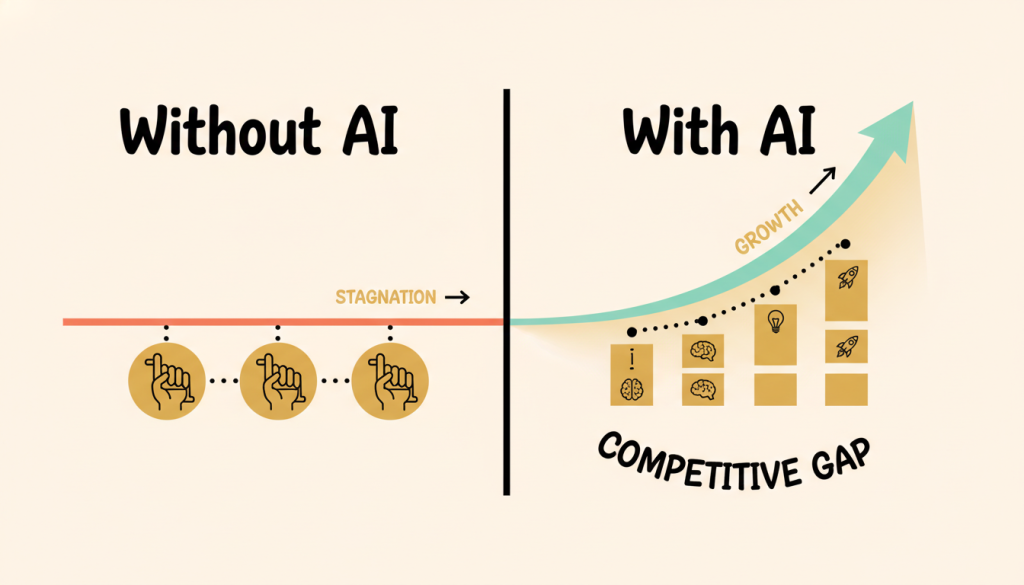
The playbook exists. The question is whether you’re following it.

George is the voice behind Wisdomised, a news blog dedicated to delivering fresh, engaging stories that keep readers both informed and entertained. With a sharp eye for current events and trending topics, George crafts posts that make complex news accessible and enjoyable. His unique perspective and storytelling skills bring a refreshing twist to every update, inviting readers to explore the world through Wisdomised.