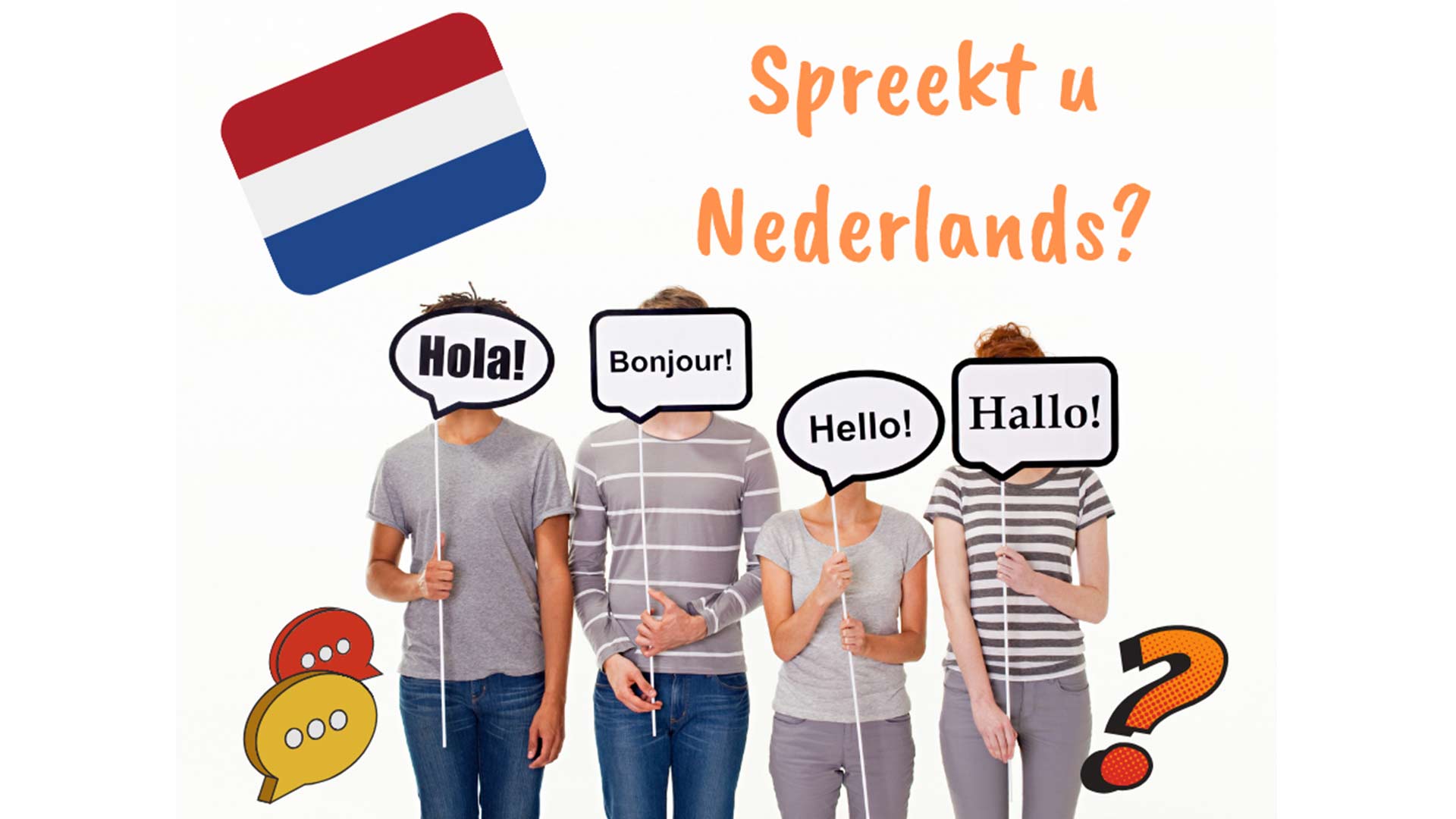
Learning a new language can feel overwhelming at first, but Dutch is often considered one of the easiest languages for English speakers to pick up. With its familiar vocabulary, logical grammar, and practical pronunciation rules, Dutch offers a rewarding path into multilingual communication. Whether you’re planning to travel, work, or study in the Netherlands or Belgium, starting with a clear strategy will help you make fast progress.
The key to success is consistency and using the right resources. If you want a structured starting point, you can learn Dutch for beginners through guided lessons that break down complex concepts into manageable steps. By combining daily practice with simple techniques, you can begin forming sentences and understanding conversations sooner than you might expect.
Step 1: Understand the Basics of Dutch Pronunciation
Before diving into vocabulary and grammar, it’s essential to get comfortable with Dutch sounds. While many words look similar to English, their pronunciation can differ significantly. Pay special attention to vowel combinations like “ui,” “eu,” and “ij,” which may not exist in English.
Listening is crucial at this stage. Try to hear native speakers through videos, podcasts, or language apps. Repeating words out loud helps train your ear and improves your speaking confidence. Don’t worry about perfection—clarity and practice matter more in the beginning.
Step 2: Build a Core Vocabulary
Start with everyday words and phrases that you can use immediately. Focus on greetings, numbers, common verbs, and basic nouns. Words like “hallo” (hello), “dank je” (thank you), and “ja/nee” (yes/no) form the foundation of daily conversation.
A good method is to learn vocabulary in context rather than memorizing isolated lists. For example, instead of just learning the word “huis” (house), practice using it in a sentence like “Dit is mijn huis” (This is my house). This approach helps you remember words more naturally.
Step 3: Learn Essential Grammar Rules
Dutch grammar is relatively straightforward compared to many other languages. Begin with simple sentence structures: subject + verb + object. For example, “Ik lees een boek” (I read a book).
One of the first grammar points to understand is verb conjugation in the present tense. Fortunately, Dutch verbs follow predictable patterns. You’ll also need to learn about articles like “de” and “het,” which indicate gender, though this may take time to master.
Don’t try to learn all grammar rules at once. Focus on the essentials and build gradually as your confidence grows.
Step 4: Practice Speaking from Day One
Speaking is often the most challenging part of learning a language, but it’s also the most important. Start forming simple sentences as soon as possible, even if they’re not perfect.
You can practice speaking by:
- Talking to yourself in Dutch
- Using language exchange platforms
- Recording your voice and comparing it with native speakers
The goal is to get comfortable expressing your thoughts. Mistakes are a natural part of the learning process and help you improve faster.
Step 5: Immerse Yourself in the Language
Immersion accelerates learning by surrounding you with the language in real-life contexts. Even if you’re not in a Dutch-speaking country, you can create an immersive environment at home.
Watch Dutch TV shows with subtitles, listen to Dutch music, or change your phone’s language settings. Reading simple books or articles also helps reinforce vocabulary and grammar.
Consistency is key. Even 20–30 minutes of daily exposure can lead to noticeable progress over time.
Step 6: Use Practical Tools and Resources
There are many tools available to support your learning journey. Language apps, online courses, and flashcards can all be useful. Choose resources that match your learning style and keep you motivated.
Combining different methods—such as listening, reading, writing, and speaking—ensures balanced development. Structured courses are especially helpful because they provide a clear path and prevent confusion.
Step 7: Stay Motivated and Set Goals
Language learning is a long-term process, so staying motivated is essential. Set small, achievable goals like learning 10 new words a day or holding a basic conversation within a month.
Celebrate your progress, no matter how small. Each new word or sentence you learn brings you closer to fluency. Remember that consistency matters more than intensity.
Final Thoughts
Starting your Dutch learning journey doesn’t have to be complicated. By focusing on pronunciation, building vocabulary, understanding basic grammar, and practicing regularly, you can begin speaking Dutch sooner than you think. The most important step is simply to start.
With the right approach and dedication, you’ll not only learn the language but also gain insight into Dutch culture and communication. Keep practicing, stay curious, and enjoy the process of becoming a Dutch speaker.

George is the voice behind Wisdomised, a news blog dedicated to delivering fresh, engaging stories that keep readers both informed and entertained. With a sharp eye for current events and trending topics, George crafts posts that make complex news accessible and enjoyable. His unique perspective and storytelling skills bring a refreshing twist to every update, inviting readers to explore the world through Wisdomised.