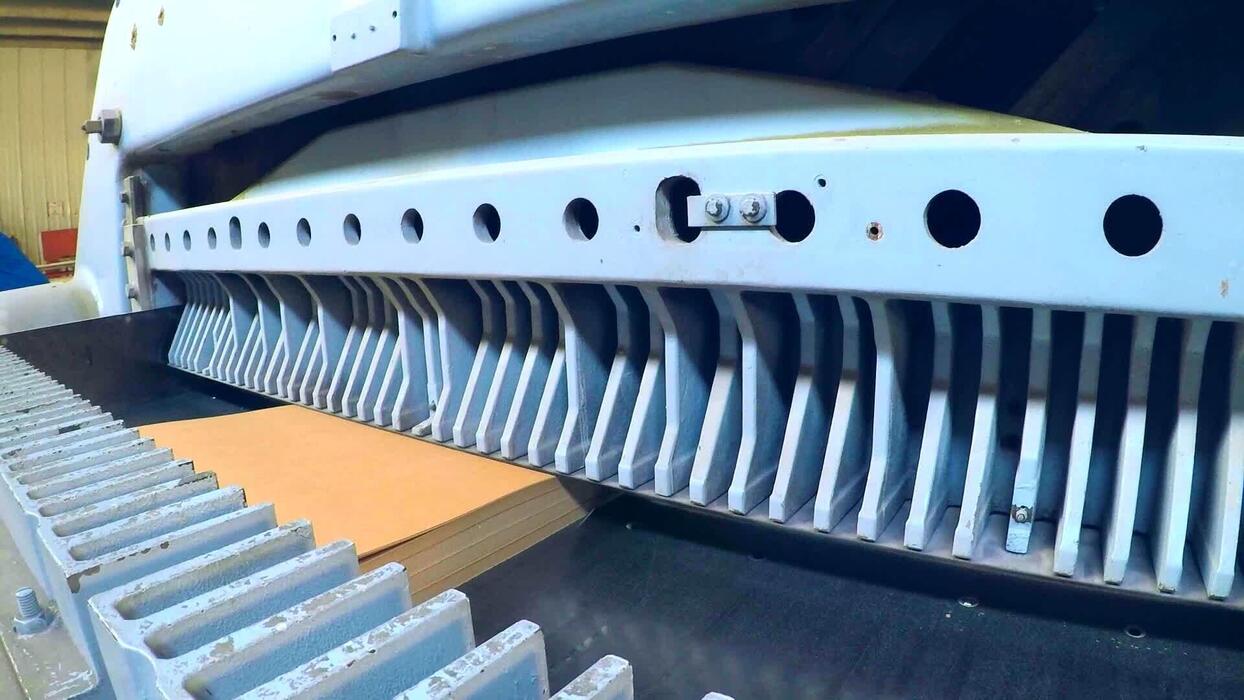
A Power Press is a mechanical device widely used in the manufacturing and metalworking industries to shape, cut, or form materials. It operates by applying controlled pressure to a workpiece using a die and a punch, allowing for precise and repeatable operations. Unlike manual presses, power presses are driven by electric motors, hydraulic systems, or mechanical flywheels, which provide consistent force and speed, making them essential in mass production environments.
The primary function of a power press is to perform tasks such as punching, stamping, bending, and forming metals or other materials with high accuracy. The machine consists of several key components, including a frame, bed, ram, crankshaft, and clutch mechanism. The ram, powered by a mechanical or hydraulic system, moves vertically to exert force on the material placed between the punch and die. This process ensures uniformity in manufacturing, which is critical for industries that require precise dimensions, such as automotive, aerospace, and appliance production. To learn more about power presses and their specifications, you can visit Power Press.
Types of Power Press
Power presses are classified into different types based on their driving mechanism and application. Understanding these types helps manufacturers select the appropriate machine for their production needs.
Mechanical Power Press
Mechanical power presses are operated by a motor that drives a flywheel connected to a crankshaft. The crankshaft converts rotary motion into linear motion, moving the ram up and down. Mechanical presses are known for their speed and efficiency, making them suitable for high-volume production. They are commonly used for blanking, punching, and forming operations where precision and speed are critical.
Hydraulic Power Press
Hydraulic power presses use hydraulic cylinders to generate force. This type of press offers greater flexibility and control over the pressing operation, including the ability to maintain force throughout the stroke. Hydraulic presses are ideal for deep drawing, bending, and forming operations that require variable pressure. They can handle thicker materials compared to mechanical presses and provide smooth, consistent operations.
Pneumatic Power Press
Pneumatic power presses operate using compressed air to move the ram. These presses are generally smaller in size and are suitable for light-duty tasks. They are widely used in electronics, small-scale metal forming, and assembly operations. Pneumatic presses offer high-speed operations with minimal setup, making them convenient for repetitive tasks.
Servo Power Press
A servo power press utilizes a servo motor to control the ram’s movement, offering precise speed and position control. This type of press is energy-efficient and provides high accuracy, making it suitable for intricate metal forming and stamping processes. Servo presses are increasingly popular in industries that demand precision and reduced operational costs.
Industrial Applications of Power Press
Power presses play a crucial role in a variety of industrial sectors due to their versatility, speed, and reliability. Their applications span from automotive manufacturing to electronics and household appliance production.
Automotive Industry
In the automotive sector, power presses are used extensively for stamping car body panels, chassis components, and brackets. Mechanical and hydraulic presses enable the mass production of uniform parts, which are essential for assembly line operations. Their ability to shape high-strength metals ensures durability and quality in automotive components.
Electronics and Electrical Components
The electronics industry relies on power presses for producing precise metal parts such as connectors, terminals, and casings. Pneumatic and servo presses are particularly useful here due to their high-speed and accurate operations, which are critical for components with tight tolerances.
Aerospace and Defense
The aerospace industry requires components with exact specifications and high structural integrity. Hydraulic and servo presses are employed to manufacture aircraft components, landing gear parts, and other critical structures. The ability to control pressure precisely ensures that materials are formed without compromising strength or performance.
Appliance and Consumer Goods
Power presses are also used in the production of household appliances like washing machines, refrigerators, and kitchen equipment. Presses are used to cut, bend, and form metal sheets into durable parts, ensuring consistency and efficiency in mass production.
Construction and Heavy Machinery
In the construction sector, power presses help in fabricating metal frameworks, panels, and structural components. Hydraulic presses are particularly effective for handling thicker materials and large-scale fabrication projects.
Advantages of Using Power Press
Using a power press offers several advantages in industrial operations:
- High Productivity – Mechanical and hydraulic presses enable high-speed operations suitable for mass production.
- Precision and Consistency – Accurate control of force and stroke ensures uniformity in manufactured components.
- Versatility – Capable of performing multiple operations such as punching, stamping, bending, and forming.
- Durability – Designed to handle continuous heavy-duty operations, making them reliable for industrial use.
- Cost Efficiency – High-speed production reduces labor costs and enhances manufacturing efficiency.
In conclusion, a power press is an indispensable tool in modern manufacturing, offering a combination of speed, precision, and versatility. From automotive and aerospace industries to consumer goods and electronics, its applications are vast and critical for efficient production. Understanding the types and functions of power presses helps businesses choose the right equipment to meet production goals and maintain quality standards.

George is the voice behind Wisdomised, a news blog dedicated to delivering fresh, engaging stories that keep readers both informed and entertained. With a sharp eye for current events and trending topics, George crafts posts that make complex news accessible and enjoyable. His unique perspective and storytelling skills bring a refreshing twist to every update, inviting readers to explore the world through Wisdomised.