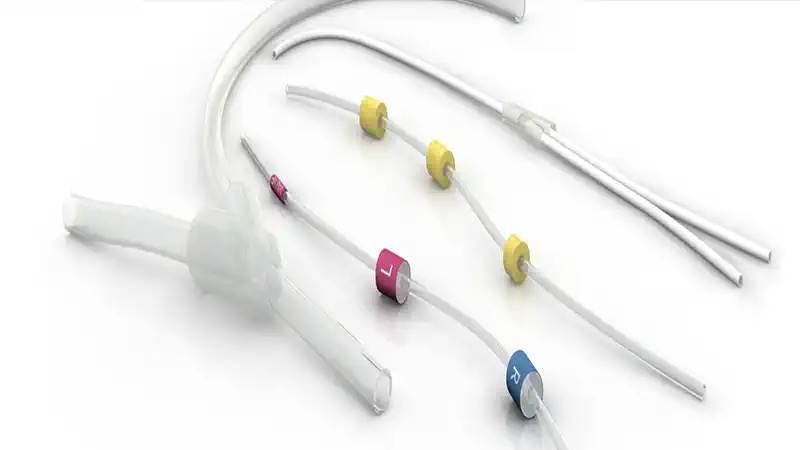
Introduction to Medical Silicone Tubing in Healthcare
Modern healthcare systems rely on advanced materials that ensure safety, reliability, and efficiency during medical procedures. One of the most widely used materials in hospitals and laboratories is medical silicone tubing. Known for its flexibility, durability, and compatibility with the human body, silicone tubing plays a vital role in supporting patient care and scientific research. Its ability to maintain performance in sterile and demanding environments makes it a trusted component in many medical applications.
Medical equipment manufacturers and healthcare providers prioritize materials that meet strict safety and quality standards. In many clinical and laboratory settings, professionals depend on high-quality Medical Silicone Tubing to ensure safe fluid transfer and consistent operation of essential devices. Because silicone tubing is designed to withstand repeated sterilization and exposure to medical fluids, it is commonly found in various healthcare systems and diagnostic equipment.
Use in Intravenous (IV) Therapy Systems
One of the most common uses of medical silicone tubing in hospitals is in intravenous therapy systems. IV therapy involves delivering fluids, medications, nutrients, or blood products directly into a patient’s bloodstream. Silicone tubing is ideal for this purpose because it is flexible, non-toxic, and capable of maintaining a consistent flow of liquids.
The tubing connects IV bags to needles or catheters, allowing controlled delivery of fluids during treatment. Healthcare professionals rely on the reliability of silicone tubing to ensure that medications are administered safely and accurately. Its transparency also allows nurses and doctors to observe fluid movement and quickly identify any blockages or air bubbles.
In critical care units, such as emergency departments and intensive care units, IV systems are used continuously. Silicone tubing helps maintain performance even during long treatment sessions, making it an essential part of modern patient care.
Role in Respiratory and Ventilation Equipment
Medical silicone tubing is also widely used in respiratory support devices. Patients who have difficulty breathing often require ventilators, oxygen therapy systems, or other respiratory equipment. Silicone tubing helps transport air or oxygen between the machine and the patient safely and efficiently.
Because silicone is flexible and resistant to pressure changes, it works well in systems that require continuous airflow. The tubing must remain durable while bending and moving during patient care, and silicone’s elasticity ensures that it does not collapse or crack easily.
Additionally, respiratory systems require materials that are safe for prolonged use and contact with sensitive tissues. Silicone’s biocompatibility makes it suitable for this purpose, allowing healthcare providers to use it confidently in life-support equipment.
Applications in Catheters and Drainage Systems
Another important use of medical silicone tubing in hospitals is in catheters and surgical drainage systems. Catheters are used to remove fluids from the body or deliver medications to specific areas. Silicone tubing helps make these devices comfortable, flexible, and safe for patients.
Surgical drainage systems rely on tubing to remove fluids such as blood or other bodily substances after medical procedures. Proper drainage is essential for preventing infections and supporting recovery. Silicone tubing allows for smooth and controlled fluid movement, which helps healthcare providers monitor patient progress.
Because these systems often remain in place for extended periods, the material must be gentle on tissues and resistant to irritation. Silicone’s soft texture and non-reactive nature make it an ideal material for these sensitive medical applications.
Laboratory and Research Applications
In addition to hospital use, medical silicone tubing plays a significant role in laboratories and research facilities. Scientists and technicians use it in experiments, diagnostic testing, and pharmaceutical development processes. The tubing is commonly used for fluid transfer, sampling, and handling sensitive biological materials.
Laboratories require materials that can maintain purity and resist contamination. Silicone tubing has a smooth inner surface and strong chemical resistance, which helps prevent unwanted reactions during experiments. This ensures accurate results in research and testing procedures.
Biotechnology and pharmaceutical companies also rely on silicone tubing in bioprocessing systems, where fluids must be transported between equipment safely. The tubing can withstand repeated sterilization, making it suitable for environments where hygiene is critical.
Use in Medical Pumps and Fluid Transfer Systems
Medical pumps are essential devices used in both hospitals and laboratories to move fluids with precision. Silicone tubing is commonly used in peristaltic pumps and other fluid control systems. These pumps rely on tubing that can repeatedly compress and release without losing its shape or function.
Silicone tubing performs well in these applications because it is highly elastic and durable. It allows pumps to operate efficiently while maintaining a consistent flow rate. This is especially important in treatments that require accurate dosing, such as medication delivery or dialysis procedures.
In laboratories, fluid transfer systems also depend on reliable tubing to move liquids between containers and instruments. Silicone tubing ensures that fluids are transported safely while maintaining cleanliness and accuracy.
Importance of Silicone Tubing in Modern Healthcare
The widespread use of medical silicone tubing in hospitals and laboratories highlights its importance in modern healthcare. Its unique combination of flexibility, durability, and biocompatibility allows it to support a wide range of medical and scientific applications.
As healthcare technology continues to advance, the demand for reliable materials will continue to grow. Silicone tubing remains a key component in many life-saving devices and research systems. By supporting safe fluid transfer, maintaining sterile conditions, and ensuring consistent performance, it continues to play a vital role in improving patient care and medical innovation.

George is the voice behind Wisdomised, a news blog dedicated to delivering fresh, engaging stories that keep readers both informed and entertained. With a sharp eye for current events and trending topics, George crafts posts that make complex news accessible and enjoyable. His unique perspective and storytelling skills bring a refreshing twist to every update, inviting readers to explore the world through Wisdomised.