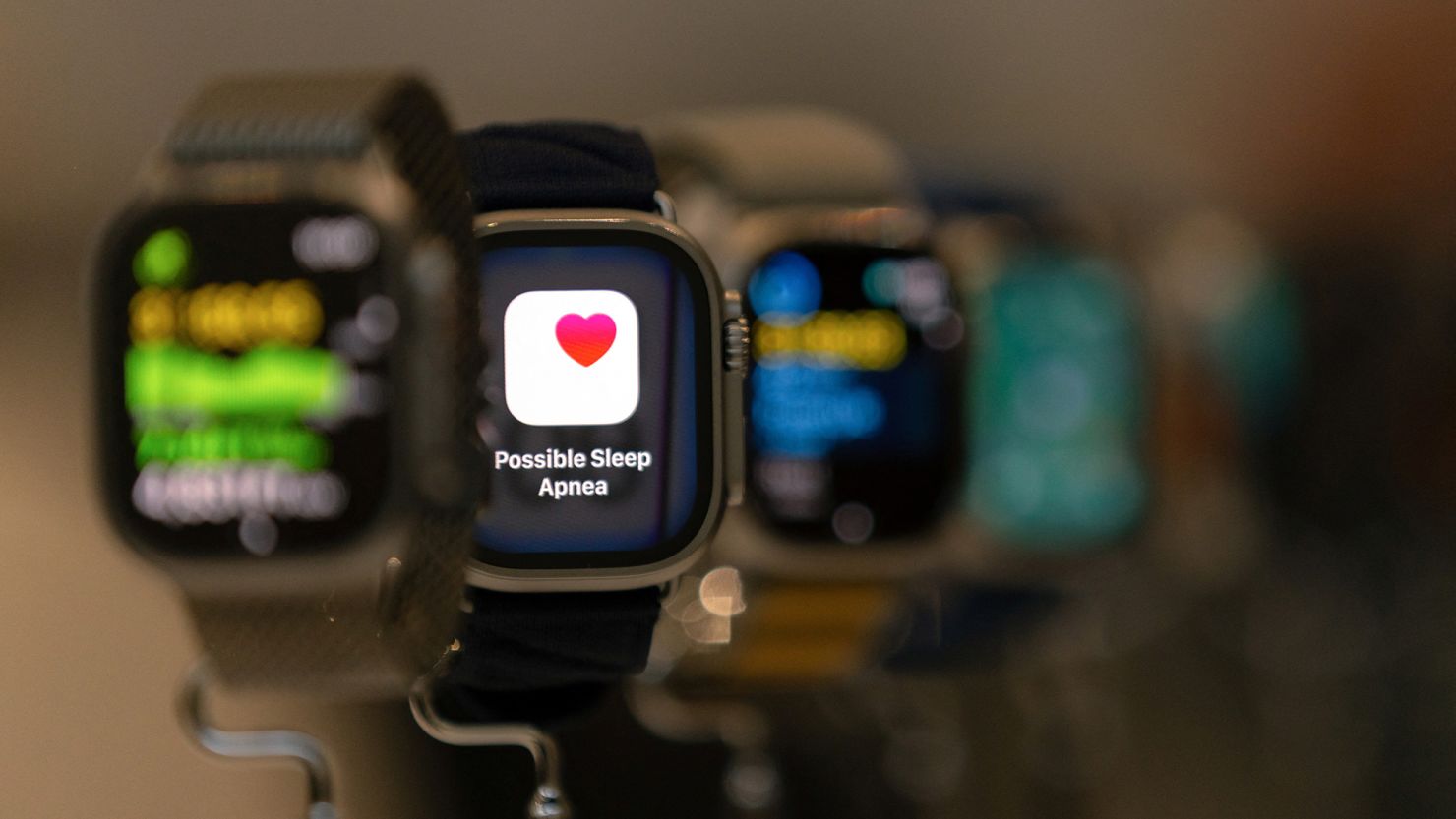
Sleep apnea is a common sleep disorder characterized by repeated interruptions in breathing during sleep. These pauses can lead to poor sleep quality, excessive daytime fatigue, and long-term health risks such as high blood pressure, heart disease, and diabetes. Early detection and management are crucial to minimize these risks and maintain overall wellbeing.
Recent technological advancements have made monitoring sleep patterns more accessible, and wearable devices now play an important role in detecting potential sleep disorders. A sleep apnea apple watch allows users to track vital health metrics, identify unusual patterns, and take proactive steps toward better sleep health, all from the convenience of their wrist.
Understanding Sleep Apnea
Sleep apnea occurs when the airway becomes partially or completely blocked during sleep, causing temporary pauses in breathing. There are three primary types of sleep apnea:
1. Obstructive Sleep Apnea (OSA)
OSA is the most common form and occurs when the throat muscles relax excessively, narrowing or blocking the airway. Symptoms often include loud snoring, gasping for air during sleep, and waking up with a dry mouth.
2. Central Sleep Apnea (CSA)
CSA occurs when the brain fails to send proper signals to the muscles responsible for breathing. Unlike OSA, CSA may not involve snoring but can still cause disrupted sleep and daytime fatigue.
3. Complex or Mixed Sleep Apnea
This type combines elements of both OSA and CSA and may require specialized treatment approaches.
How the Apple Watch Supports Sleep Monitoring
Modern smartwatches are equipped with advanced sensors and health tracking features that can provide valuable insights into sleep patterns. Key features of a sleep apnea apple watch include:
1. Heart Rate Monitoring
The Apple Watch continuously tracks heart rate throughout the day and night. Abnormal fluctuations during sleep may indicate breathing interruptions or stress on the cardiovascular system caused by apnea episodes.
2. Blood Oxygen Monitoring (SpO2)
Low oxygen saturation levels during sleep are a hallmark of sleep apnea. The Apple Watch measures blood oxygen levels, alerting users to potential dips that may suggest apnea events.
3. Sleep Tracking and Analysis
By monitoring movements and heart rate, the watch provides detailed reports on sleep duration, quality, and stages. Detecting irregular patterns can help users identify early signs of sleep apnea.
4. Sleep Reminders and Routine
The device encourages consistent sleep schedules by providing reminders and tracking bedtime habits, which can improve overall sleep hygiene and reduce apnea severity.
Benefits of Using an Apple Watch for Sleep Apnea
Utilizing a smartwatch for sleep monitoring offers several advantages:
- Convenience: Continuous monitoring without the need for bulky medical equipment.
- Early Detection: Identifies potential problems before they escalate, allowing for timely medical consultation.
- Data for Professionals: Health metrics can be shared with doctors to aid in diagnosis and treatment planning.
- Lifestyle Adjustments: Insights from sleep reports help users make informed decisions about exercise, diet, and sleep routines.
Limitations and Considerations
While the Apple Watch provides useful monitoring, it is not a substitute for professional medical evaluation. Users should consider:
- Accuracy: Smartwatch readings may vary and should be interpreted as preliminary information rather than a definitive diagnosis.
- Medical Consultation: Persistent symptoms such as excessive daytime fatigue, loud snoring, or choking during sleep require professional assessment.
- Integration with Sleep Studies: For precise diagnosis, polysomnography (overnight sleep study) remains the gold standard, and smartwatch data can complement but not replace this test.
Complementary Strategies for Managing Sleep Apnea
Alongside wearable technology, several lifestyle and medical strategies can improve sleep apnea management:
1. Maintain a Healthy Weight
Excess weight increases the risk of airway obstruction. Weight management can significantly reduce apnea severity.
2. Positional Therapy
Sleeping on your side rather than your back can prevent airway collapse during sleep.
3. Continuous Positive Airway Pressure (CPAP)
CPAP therapy involves wearing a mask that delivers constant air pressure to keep the airway open. It is a widely recommended treatment for moderate to severe sleep apnea.
4. Avoid Alcohol and Sedatives
These substances relax throat muscles and can worsen apnea episodes. Limiting intake, especially before bedtime, helps maintain airway stability.
5. Regular Exercise
Exercise improves cardiovascular health, strengthens respiratory muscles, and may reduce the severity of sleep apnea symptoms.
The Future of Wearable Sleep Monitoring
Advancements in wearable technology, like the Apple Watch, are transforming how people monitor sleep health. Continuous tracking, real-time feedback, and integration with health apps provide unprecedented access to personal health data. As sensors become more sophisticated, wearable devices may play an increasingly important role in early detection, ongoing monitoring, and individualized management plans for sleep apnea.
Conclusion
A sleep apnea apple watch offers a convenient and insightful tool for monitoring potential sleep disruptions, tracking vital metrics, and supporting healthier sleep habits. While it cannot replace professional diagnosis, it provides early warning signs, valuable data, and lifestyle guidance to help individuals manage their condition more effectively. Combining wearable technology with medical consultation, lifestyle adjustments, and prescribed therapies ensures a comprehensive approach to managing sleep apnea, improving sleep quality, and enhancing overall health.

George is the voice behind Wisdomised, a news blog dedicated to delivering fresh, engaging stories that keep readers both informed and entertained. With a sharp eye for current events and trending topics, George crafts posts that make complex news accessible and enjoyable. His unique perspective and storytelling skills bring a refreshing twist to every update, inviting readers to explore the world through Wisdomised.