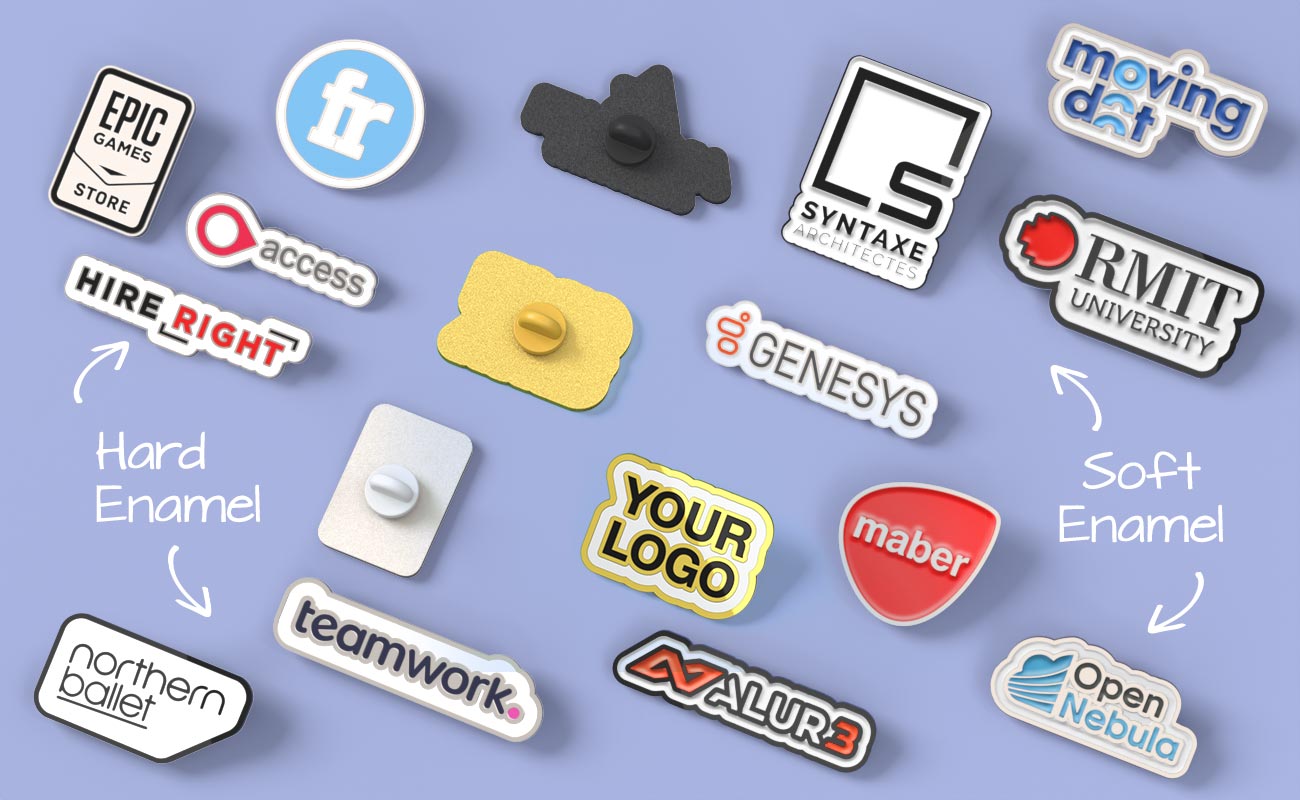
Metal badges have long been valued for their durability, professional appearance, and ability to represent organizations, achievements, and identities. From corporate branding to military insignia and event memorabilia, metal badges are manufactured using a variety of materials chosen for their strength, finish quality, and cost-effectiveness. Understanding these materials helps designers and buyers select the most suitable option for their specific needs.
Brass: A Premium Choice for Detail and Durability
Brass is one of the most widely used materials in badge manufacturing due to its excellent balance of durability and malleability. It allows manufacturers to create sharp details, smooth edges, and intricate embossing without compromising structural integrity. Brass badges are commonly used for official insignia, executive nameplates, and commemorative pins because the material supports high-quality plating such as gold, silver, or antique finishes.
When businesses and organizations invest in custom metal badges, brass is often considered the premium option. Its resistance to corrosion and ability to maintain polish over time make it ideal for long-term use. Additionally, brass works exceptionally well with enamel coloring processes, allowing vibrant and precise color application that enhances visual appeal.
Zinc Alloy: Versatility and Cost Efficiency
Zinc alloy is another popular material, particularly for badges requiring complex shapes or three-dimensional designs. Because zinc alloy can be cast into molds easily, it is ideal for producing badges with cutouts, layered surfaces, and textured patterns. This flexibility makes it a preferred choice for creative or modern badge designs.
From a cost perspective, zinc alloy offers an economical alternative to brass while still maintaining durability. It is heavier than aluminum but lighter than iron, giving badges a solid feel without being overly bulky. Zinc alloy badges are often used for promotional items, club insignia, and large event badges where both quality and affordability are important considerations.
Iron: Strength for Stamped Badge Designs
Iron is frequently used in stamped badge production because it is strong, readily available, and cost-effective. Manufacturers typically stamp designs into iron sheets and then apply plating finishes to prevent rust and improve appearance. Nickel, chrome, or gold plating is commonly used to enhance iron badges.
Although iron does not allow the same level of intricate detailing as brass, it performs well for simple logos, text-based badges, and uniform insignia. Its durability makes it suitable for badges that will be worn frequently or exposed to outdoor environments. Iron remains a practical option for organizations producing badges in large quantities while maintaining reasonable production costs.
Aluminum: Lightweight and Practical
Aluminum is valued primarily for its lightweight properties. This material is often used for badges intended to be worn for long periods, such as conference badges, identification plates, and promotional pins. Despite being lightweight, aluminum can still be anodized or printed with high-resolution graphics.
Because aluminum resists corrosion naturally, it performs well in humid or outdoor conditions. However, it is softer than brass or iron, which means it may scratch more easily. For this reason, aluminum is best suited for badges that prioritize comfort and affordability over long-term wear resistance.
Stainless Steel: Modern Appearance and Corrosion Resistance
Stainless steel provides a sleek, contemporary appearance that is ideal for professional environments. Its natural resistance to rust, scratches, and tarnishing makes it one of the most durable badge materials available. Stainless steel badges are commonly laser-engraved or etched to produce precise, permanent markings.
Organizations seeking a minimalist and modern look often choose stainless steel because it maintains its finish without requiring heavy plating. While it can be more expensive to cut and engrave compared to aluminum or iron, the long lifespan of stainless steel badges often justifies the investment.
Copper: Traditional Craftsmanship and Character
Copper is less commonly used than brass or zinc alloy, but it offers a distinctive aesthetic appeal. Over time, copper develops a natural patina that gives badges a vintage or antique appearance. This characteristic makes copper especially popular for commemorative badges, artistic designs, and heritage-themed insignia.
Like brass, copper is easy to shape and engrave, allowing for fine detailing. It can also be polished to a warm shine or treated with antique finishes to create depth and texture. Copper badges often stand out because of their unique color and handcrafted feel.
Choosing the Right Material for Metal Badges
Selecting the right material depends on several factors, including budget, design complexity, usage environment, and desired appearance. Brass and stainless steel are typically chosen for premium badges, while zinc alloy and iron offer practical solutions for large-scale production. Aluminum works well when lightweight comfort is a priority, and copper provides a distinctive traditional look.
By understanding the strengths and characteristics of each material, designers and organizations can create badges that not only look professional but also last for years. Material selection plays a crucial role in determining the final quality, weight, durability, and visual impact of a metal badge, making it one of the most important decisions in the badge manufacturing process.

George is the voice behind Wisdomised, a news blog dedicated to delivering fresh, engaging stories that keep readers both informed and entertained. With a sharp eye for current events and trending topics, George crafts posts that make complex news accessible and enjoyable. His unique perspective and storytelling skills bring a refreshing twist to every update, inviting readers to explore the world through Wisdomised.