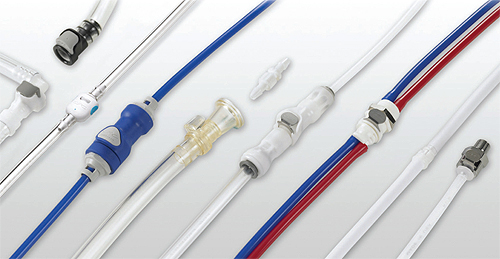
Medical device connectors are essential components in healthcare equipment, providing secure electrical connections for power, signal, and data transmission. These connectors play a critical role in ensuring the safety, reliability, and efficiency of medical devices, from diagnostic tools and patient monitoring systems to surgical instruments and imaging equipment. Understanding the types, functions, and applications of medical device connectors is crucial for engineers, device designers, and healthcare technology professionals.
High-quality medical device connectors are designed to meet stringent medical standards, ensuring reliable performance under demanding conditions. These connectors must withstand repeated mating and unmating cycles, exposure to cleaning and sterilization processes, and environmental factors such as moisture, temperature variations, and mechanical stress. By selecting the appropriate connector type and configuration, device developers can enhance the safety, longevity, and functionality of medical equipment.
Types of Medical Device Connectors
Medical connectors come in a variety of types, each suited for specific applications. Some of the most common types include:
Circular Connectors
Circular connectors are widely used in medical applications due to their robust design and secure connection. Their cylindrical shape allows for easy alignment and prevents accidental disconnection. Circular connectors often support multiple pins and can carry both power and signals. They are commonly found in patient monitors, imaging devices, and surgical equipment, where reliability and durability are critical.
Board-to-Board Connectors
Board-to-board connectors link printed circuit boards directly, providing efficient internal wiring for compact medical devices. These connectors are often used in diagnostic equipment, laboratory analyzers, and portable medical devices. Board-to-board connectors help reduce the complexity of internal wiring while maintaining signal integrity and mechanical stability.
Wire-to-Board Connectors
Wire-to-board connectors provide a secure connection between external cables and circuit boards. They are ideal for modular devices, where internal wiring must interface with external systems or accessories. Wire-to-board connectors are commonly used in infusion pumps, wearable monitoring devices, and portable diagnostic equipment.
Coaxial and High-Frequency Connectors
For devices that transmit high-speed data or sensitive signals, coaxial connectors and other high-frequency options are essential. These connectors are designed to minimize signal loss, interference, and crosstalk. Applications include medical imaging systems, ultrasound devices, and telemedicine platforms that require reliable high-frequency communication.
Key Applications of Medical Device Connectors
The versatility of medical connectors allows them to be used in a wide range of healthcare equipment. Key applications include:
Patient Monitoring Systems
Patient monitors rely on medical connectors to transmit vital signals from sensors to the central monitoring unit. Connectors must maintain accurate signal integrity to provide real-time data on heart rate, blood pressure, oxygen saturation, and other critical parameters.
Imaging Equipment
Medical imaging devices, such as MRI machines, CT scanners, and ultrasound systems, require high-performance connectors to transmit both power and data. Connectors must be durable, capable of handling high-frequency signals, and resistant to electromagnetic interference.
Surgical Instruments
Connectors used in surgical instruments, including robotic and minimally invasive tools, must withstand repeated sterilization and cleaning cycles. They also need to provide secure and precise connections to ensure consistent performance during critical procedures.
Diagnostic and Laboratory Equipment
Laboratory analyzers, diagnostic devices, and point-of-care testing equipment use connectors to integrate sensors, power supplies, and data communication lines. Reliable connectors ensure accurate test results and seamless operation in busy clinical environments.
Factors to Consider When Selecting Connectors
Choosing the right connector involves evaluating several factors:
- Electrical Requirements: Consider current and voltage ratings, signal type, and frequency.
- Mechanical Durability: Evaluate mating cycles, environmental resistance, and mechanical stress tolerance.
- Size and Form Factor: Select connectors that fit device dimensions and design constraints.
- Regulatory Compliance: Ensure connectors meet standards such as ISO 13485, IEC 60601, and biocompatibility requirements.
- Environmental Resistance: Consider exposure to moisture, cleaning agents, sterilization, and temperature fluctuations.
Future Trends in Medical Device Connectors
Medical device connectors continue to evolve with advancements in healthcare technology. Emerging trends include:
- Miniaturized connectors for compact and portable devices.
- Hybrid connectors integrating power, signal, and data lines.
- Biocompatible materials for patient-contact applications.
- Wireless and IoT-compatible connectors for telemedicine and remote monitoring.
These innovations enhance the efficiency, functionality, and safety of medical devices, supporting the growing demand for advanced healthcare solutions.
Conclusion
Medical device connectors are fundamental to the performance and safety of healthcare equipment. From circular and board-to-board connectors to high-frequency and wire-to-board solutions, each type serves specific applications, ensuring reliable power and signal transmission. Selecting the appropriate connector requires careful consideration of electrical, mechanical, regulatory, and environmental factors. By partnering with trusted providers of medical device connectors, healthcare technology developers can ensure that their equipment operates safely, efficiently, and reliably, ultimately improving patient outcomes and advancing medical care.

George is the voice behind Wisdomised, a news blog dedicated to delivering fresh, engaging stories that keep readers both informed and entertained. With a sharp eye for current events and trending topics, George crafts posts that make complex news accessible and enjoyable. His unique perspective and storytelling skills bring a refreshing twist to every update, inviting readers to explore the world through Wisdomised.