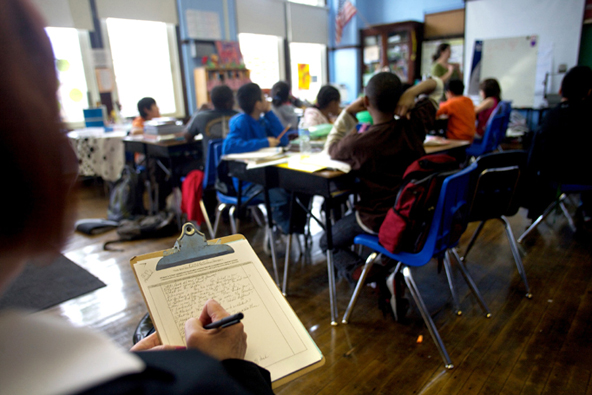
Classroom observation is a vital component of teacher development and overall school improvement. By closely examining instructional practices, student engagement, and classroom dynamics, school leaders can gather meaningful insights to enhance teaching quality. However, observations are only effective when conducted with a clear strategy, consistent criteria, and a focus on professional growth. Without proper planning, classroom observation can become a routine formality rather than a tool for meaningful improvement.
Establish Clear Objectives
The first step in effective classroom observation is establishing clear objectives. School leaders must determine what they aim to achieve through observations—whether it is improving instructional practices, supporting professional development, or monitoring curriculum implementation. Clear objectives guide what to look for in a lesson and ensure that feedback is specific and actionable. Schools that adopt structured platforms for Classroom observation can align objectives with standardized rubrics, ensuring consistency and fairness in the evaluation process while providing teachers with meaningful feedback.
Use Standardized Evaluation Criteria
Consistency is critical for fair and effective observations. Using standardized evaluation criteria allows administrators to assess teaching practices objectively across classrooms. Rubrics should cover key areas such as lesson planning, instructional strategies, classroom management, student engagement, and assessment techniques. Standardized criteria also make it easier to compare observations over time and identify patterns or areas for improvement. Clear rubrics reduce subjectivity and provide a shared understanding between observers and teachers about what constitutes effective instruction.
Prepare Thoroughly Before Observation
Preparation is essential for meaningful observations. School leaders should review lesson plans, learning objectives, and any relevant student data before entering the classroom. Understanding the context of the lesson helps observers focus on instructional strategies rather than extraneous factors. Preparation also allows leaders to ask thoughtful questions during follow-up discussions, making feedback more targeted and constructive. Well-prepared observers can provide insights that are both practical and immediately applicable for teachers.
Focus on Specific, Observable Behaviors
Effective classroom observation emphasizes observable behaviors rather than personal judgments or assumptions. Leaders should look for concrete evidence of teaching practices, such as questioning techniques, differentiation strategies, student participation, and classroom management. By focusing on specific actions, observers provide clear and actionable feedback that teachers can implement immediately. This approach ensures that observations are objective, meaningful, and aligned with professional development goals.
Provide Timely and Constructive Feedback
Feedback is a critical component of classroom observation. After completing an observation, school leaders should provide feedback promptly while the lesson is still fresh in the teacher’s mind. Feedback should be balanced, highlighting both strengths and areas for improvement. Using examples from the lesson helps teachers understand the reasoning behind the feedback. Constructive feedback encourages reflection, reinforces best practices, and motivates teachers to make targeted improvements.
Incorporate Peer and Self-Observation
In addition to administrator-led observations, incorporating peer and self-observation strategies can enhance professional growth. Teachers can observe colleagues to gain new instructional ideas and reflect on their own practice. Self-observation, such as recording lessons or reviewing student work, encourages teachers to identify areas for improvement independently. Combining these methods with formal observations creates a more comprehensive approach to professional development.
Utilize Data and Technology
Modern classroom observation platforms provide tools to collect, organize, and analyze observation data effectively. Digital systems allow leaders to document observations, track progress over time, and generate reports for individual teachers or school-wide trends. Data-driven insights help school leaders make informed decisions about professional development priorities, resource allocation, and instructional improvement. Leveraging technology ensures that observations are systematic, transparent, and actionable.
Foster a Culture of Reflection and Growth
The ultimate goal of classroom observation is to promote continuous improvement. School leaders should cultivate a culture where feedback is viewed as a developmental tool rather than a punitive measure. Encouraging teachers to set goals based on observation feedback, reflect on their practice, and engage in ongoing professional development creates a positive, collaborative environment. A growth-oriented culture enhances teacher confidence, effectiveness, and overall student outcomes.
Follow Up and Monitor Progress
Effective classroom observation does not end with feedback. School leaders should follow up with teachers to monitor progress, revisit areas of concern, and celebrate improvements. Regular follow-up ensures that observation insights translate into meaningful changes in instructional practice. By maintaining a continuous cycle of observation, feedback, and reflection, schools can drive sustained improvements in teaching quality and student learning outcomes.
Conclusion
Classroom observation is a powerful tool for school leaders seeking to improve teaching and learning. By establishing clear objectives, using standardized criteria, preparing thoroughly, focusing on observable behaviors, providing timely feedback, and leveraging technology, leaders can maximize the impact of their observations. Incorporating peer and self-observation, fostering a reflective culture, and monitoring progress ensures that observations contribute to meaningful professional growth. When executed strategically, classroom observation strengthens teacher development, enhances instructional quality, and supports long-term school improvement.

George is the voice behind Wisdomised, a news blog dedicated to delivering fresh, engaging stories that keep readers both informed and entertained. With a sharp eye for current events and trending topics, George crafts posts that make complex news accessible and enjoyable. His unique perspective and storytelling skills bring a refreshing twist to every update, inviting readers to explore the world through Wisdomised.