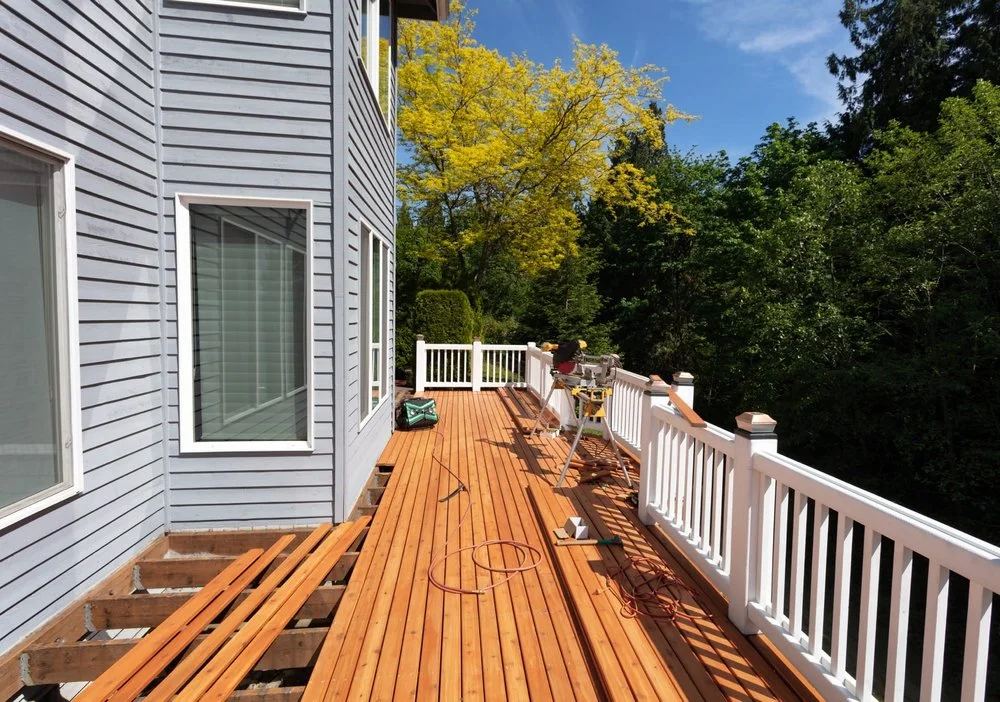
Adding a deck to your home not only increases outdoor living space but also boosts your property value and enhances curb appeal. However, planning a deck project requires careful consideration of costs, materials, labor, and design options to avoid unexpected expenses. Understanding the factors that influence deck construction is crucial for homeowners looking to maximize their investment.
When calculating the Cost to Build a Deck, several variables come into play, including deck size, materials, labor, location, and additional features such as railings, stairs, and lighting. Knowing these factors in advance ensures your project stays within budget while achieving your desired look and functionality.
Why Building a Deck Is a Smart Investment
A well-designed deck provides numerous benefits beyond outdoor enjoyment:
- Increased home value: Decks enhance curb appeal and attract potential buyers.
- Extended living space: Creates an outdoor area for entertaining, dining, and relaxing.
- Customization options: Decks can be designed to match your home’s architecture and style.
- Durability: High-quality materials ensure long-lasting performance with minimal maintenance.
Investing in a deck can significantly improve your lifestyle and home value if planned carefully.
Key Factors That Affect the Cost to Build a Deck
Several elements influence how much building a deck will cost. Being aware of these can help you budget accurately and avoid surprises.
1. Deck Size
The size of your deck is one of the most significant factors affecting costs. Larger decks require more materials and labor, increasing the overall expense. For example:
- Small decks (100–200 sq. ft.): $2,000–$5,000
- Medium decks (200–400 sq. ft.): $5,000–$10,000
- Large decks (400+ sq. ft.): $10,000+
2. Deck Material
Materials not only affect the look of your deck but also durability and price:
- Pressure-treated wood: Budget-friendly, around $15–$25 per square foot.
- Cedar or redwood: Natural resistance to decay, $25–$35 per square foot.
- Composite decking: Low-maintenance and long-lasting, $30–$45 per square foot.
- PVC or synthetic materials: Highly durable and minimal maintenance, $40–$60 per square foot.
Choosing the right material balances aesthetics, longevity, and budget.
3. Labor Costs
Labor costs vary based on complexity, local rates, and experience. Hiring a professional ensures proper construction, adherence to building codes, and safety. On average, labor accounts for 40–60% of the total deck cost.
4. Location and Site Conditions
Deck costs can increase if your property has uneven terrain, slopes, or limited access. Site preparation, such as clearing, grading, or excavation, adds to labor and material expenses.
5. Design Complexity
Deck features like multi-level platforms, built-in seating, pergolas, or custom railings increase costs due to additional materials and labor. Simple rectangular decks are the most budget-friendly, while intricate designs require more investment.
6. Permits and Regulations
Many areas require permits for deck construction to ensure safety and compliance with building codes. Permit fees vary by location and can range from $50 to $500 or more.
7. Additional Features
Optional features enhance functionality and aesthetics but add to the overall cost:
- Railings: $20–$50 per linear foot depending on material
- Stairs: $100–$500 per set, depending on design
- Lighting: $50–$300 for basic installations; more for integrated systems
- Built-in seating or planters: $200–$1,000
Average Cost to Build a Deck
Based on size and materials, here’s a rough estimate for deck construction:
| Deck Type | Size | Material | Estimated Cost |
|---|---|---|---|
| Small | 100–200 sq. ft. | Pressure-treated wood | $2,000–$5,000 |
| Medium | 200–400 sq. ft. | Composite or cedar | $5,000–$12,000 |
| Large | 400+ sq. ft. | Premium composite or PVC | $12,000–$25,000+ |
These estimates include both materials and professional installation. Custom features and complex designs can raise costs significantly.
Cost-Saving Tips
- Choose standard deck sizes: Custom dimensions increase material waste and labor.
- Select cost-effective materials: Pressure-treated wood is budget-friendly and durable.
- Simplify the design: Avoid multi-level platforms or intricate patterns to save labor costs.
- Combine projects: If building multiple decks or outdoor structures, contractors may offer discounts.
- Plan ahead: Obtain multiple quotes to ensure competitive pricing and high-quality workmanship.
Professional Deck Installation Process
Professional installation ensures safety, durability, and compliance with local building codes.
Installation steps include:
- Site preparation: clearing, grading, and leveling the ground
- Layout and marking: determining dimensions and placement
- Installing posts and framing: ensures structural stability
- Laying deck boards and attaching fasteners
- Installing railings, stairs, and optional features
- Final inspection: ensuring stability, safety, and finishing touches
Most medium-sized decks can be installed in 1–2 weeks, while larger or complex decks may take longer.
Maintaining Your Deck
Proper maintenance extends the life of your deck and keeps it looking its best:
- Clean regularly with mild soap and water
- Inspect and seal wood decks annually to prevent rot
- Replace damaged or worn boards promptly
- For composite or PVC decks, occasional washing is sufficient
- Maintain railings and lighting to ensure safety and functionality
Routine maintenance ensures your deck remains durable, safe, and visually appealing for decades.
Voice Search-Friendly FAQ
Q: How much does it cost to build a deck?
A: Small decks cost $2,000–$5,000, medium decks $5,000–$12,000, and large decks $12,000–$25,000+ depending on materials and features.
Q: What is the most cost-effective deck material?
A: Pressure-treated wood is the most affordable and durable option.
Q: Do I need a permit to build a deck?
A: Most areas require permits to ensure compliance with local building codes.
Q: Can I install a deck myself?
A: DIY installation is possible for simple decks, but professional installation ensures safety and durability.
Q: How do I maintain my deck?
A: Regular cleaning, sealing for wood decks, and inspecting boards and railings ensure longevity.
Conclusion
Building a deck enhances your home’s value, expands your living space, and provides a place for family and friends to gather. By understanding the factors that influence the Cost to Build a Deck—including size, materials, labor, design complexity, and additional features—you can plan effectively and make informed decisions. Professional installation combined with routine maintenance ensures your deck remains a durable, beautiful, and functional addition to your home for years to come.

George is the voice behind Wisdomised, a news blog dedicated to delivering fresh, engaging stories that keep readers both informed and entertained. With a sharp eye for current events and trending topics, George crafts posts that make complex news accessible and enjoyable. His unique perspective and storytelling skills bring a refreshing twist to every update, inviting readers to explore the world through Wisdomised.