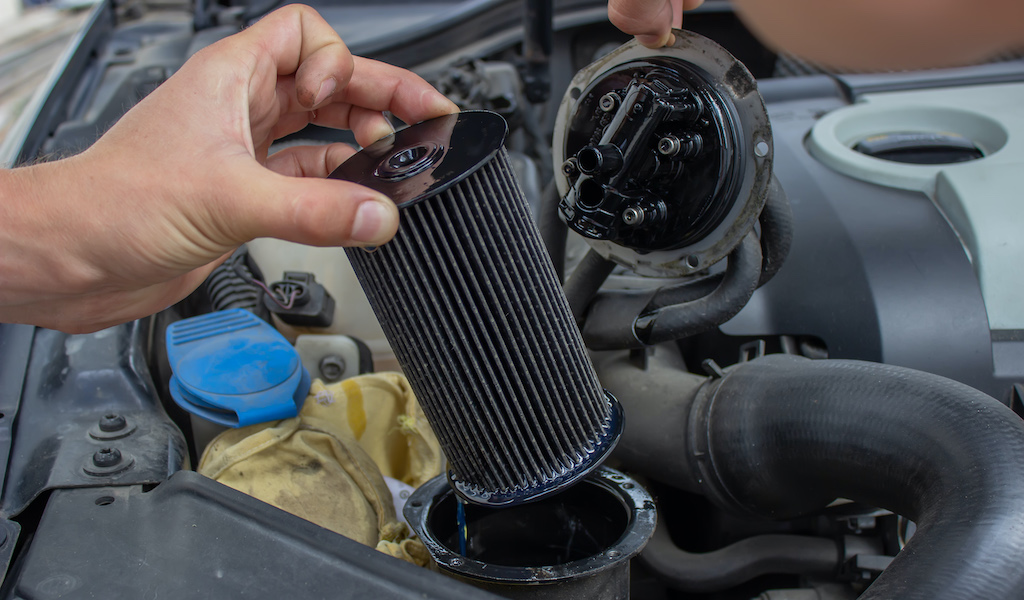
Oil filters are essential components in modern engines, designed to remove contaminants from engine oil and protect critical engine parts. The effectiveness of an oil filter largely depends on the quality and suitability of the materials used in its construction. Understanding the materials involved in oil filter production provides insight into how these components achieve durability, efficiency, and reliability. High-quality materials ensure that oil filters maintain consistent performance under extreme operating conditions.
The Role of a China Oil Filter Supplier in Material Selection
A China Oil Filter Supplier plays a critical role in sourcing, testing, and integrating materials for oil filter production. Suppliers must select materials that can withstand high temperatures, resist chemical degradation, and maintain structural integrity under high pressure. The choice of materials impacts filtration efficiency, durability, and the overall performance of the filter.
China-based suppliers combine advanced material science with precise manufacturing techniques to meet international automotive standards. Their expertise ensures that each filter is capable of protecting the engine effectively, providing long service life, and supporting the performance and efficiency goals of vehicles.
Filtration Media
The filtration media is the core component of an oil filter, responsible for trapping contaminants while allowing oil to flow freely. Common materials used for filtration media include:
- Cellulose: Derived from plant fibers, cellulose is an economical and widely used material in oil filters. It effectively traps particles but may have a shorter service life compared to synthetic alternatives.
- Synthetic Fibers: Materials such as polyester or glass fibers offer higher strength, longer lifespan, and better performance under extreme temperatures and high oil flow rates. Synthetic media is ideal for high-performance and heavy-duty applications.
- Blended Media: Some filters combine cellulose and synthetic fibers to achieve a balance between cost-effectiveness and enhanced durability. Blended media can provide improved filtration efficiency and longer service intervals.
The selection of filtration media is critical for achieving the desired particle capture, oil flow, and lifespan specifications.
End Caps and Center Tubes
End caps and center tubes provide structural support to the filtration media. These components are typically made from steel, aluminum, or high-strength plastic.
- Steel End Caps: Steel provides excellent strength and durability, ensuring that the filter maintains its shape under high pressure. Steel end caps are commonly used in automotive and industrial applications.
- Aluminum End Caps: Aluminum offers a lightweight alternative while maintaining structural integrity. It is corrosion-resistant and suitable for high-temperature environments.
- Plastic Components: High-quality thermoplastics can be used for end caps and support structures, offering cost savings and corrosion resistance while maintaining sufficient strength for standard operating conditions.
The center tube, usually made from perforated steel or reinforced plastic, supports the filter media and allows oil to flow evenly through the filter. Proper material selection ensures that these components do not deform or fail during operation.
Adhesives and Sealants
Adhesives and sealants are used to bond the filtration media to the end caps and maintain airtight seals within the filter. High-temperature resistant adhesives ensure that the media remains securely in place even under extreme thermal conditions. Sealants also prevent oil bypass, ensuring that all oil passes through the filter media for proper filtration.
Suppliers test adhesives for chemical resistance, temperature tolerance, and durability to prevent leaks or filter failure over the service life.
Gaskets and Anti-Drainback Valves
Gaskets and anti-drainback valves are critical for ensuring a proper seal between the filter and the engine. These components are typically made from high-quality rubber or silicone, which can withstand repeated exposure to hot oil without degradation.
- Gaskets: Provide a leak-proof seal between the filter and engine mounting surface.
- Anti-Drainback Valves: Prevent oil from draining out of the filter when the engine is turned off, ensuring immediate lubrication upon startup.
Material selection for these components is crucial to prevent leaks, maintain oil pressure, and extend engine life.
Housing Materials
The outer housing of an oil filter protects internal components and withstands engine operating pressures. Housing materials include:
- Steel: Provides high strength and durability, suitable for high-pressure applications.
- Aluminum: Lightweight and corrosion-resistant, often used in performance or specialty filters.
- Plastics: High-strength thermoplastics are used in some filters for cost reduction and corrosion resistance in low to medium-pressure applications.
Conclusion
The materials used in oil filter production are carefully selected to ensure optimal performance, durability, and engine protection. Filtration media, end caps, center tubes, adhesives, gaskets, valves, and housings all play critical roles in the filter’s effectiveness. Working with a reputable China Oil Filter Supplier ensures access to high-quality materials, advanced manufacturing techniques, and consistent product performance. By understanding the materials behind oil filters, manufacturers and consumers can appreciate the engineering that protects engines and extends their lifespan.

George is the voice behind Wisdomised, a news blog dedicated to delivering fresh, engaging stories that keep readers both informed and entertained. With a sharp eye for current events and trending topics, George crafts posts that make complex news accessible and enjoyable. His unique perspective and storytelling skills bring a refreshing twist to every update, inviting readers to explore the world through Wisdomised.