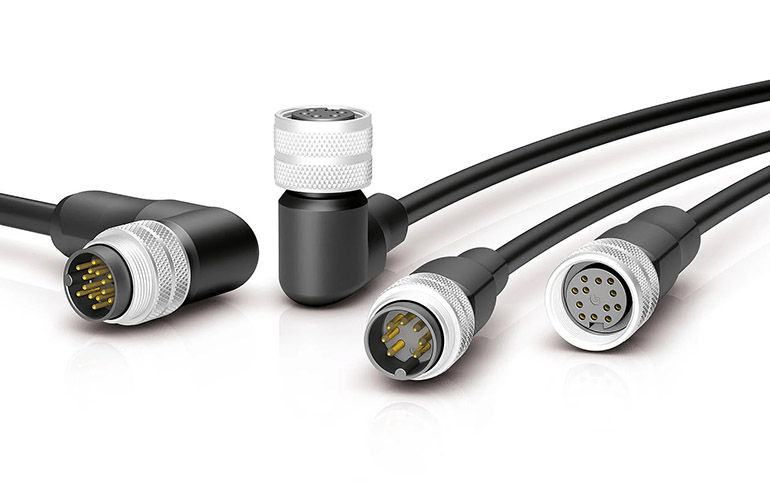
M16 connectors are widely used in industrial automation, robotics, and control systems due to their robust design, secure threaded coupling, and ability to handle both power and signal transmission. One of the key factors that make M16 connectors versatile is their variety of pin layouts and coding options. These features allow engineers to design reliable systems while preventing mismating and ensuring correct connections in complex installations. Understanding the different pin configurations and coding standards is essential for selecting the right connector for specific applications.
The M16 Connector is available in multiple pin configurations, ranging from simple 3-pin designs to more complex 12-pin arrangements. The combination of pin layouts and coding options ensures that each connector can be matched precisely to the intended function, whether for sensors, actuators, power supply, or data transmission. This flexibility makes M16 connectors suitable for a wide range of industrial and automation applications.
Common Pin Layouts
M16 connectors typically offer pin layouts with 3, 4, 5, 8, or 12 pins. The choice of pin layout depends on the number of signals or power lines that need to be connected. Each pin is carefully designed to provide secure electrical contact and consistent performance, even in environments with vibration or temperature fluctuations.
- 3-Pin and 4-Pin Layouts: These are commonly used for basic sensor and actuator connections, where one pin carries the power, one pin serves as the ground, and the remaining pin(s) carry the signal. These layouts are simple, cost-effective, and widely used in compact industrial devices.
- 5-Pin Layouts: These layouts are suitable for devices that require additional signals or separate communication lines. For example, 5-pin M16 connectors are often used in fieldbus applications or for sensors that provide both analog and digital outputs.
- 8-Pin and 12-Pin Layouts: These higher-pin configurations are used in applications that demand multiple signal paths or combined power and data connections. They are ideal for encoders, complex automation modules, and systems that require simultaneous data and power transmission. The larger pin count is supported by the M16 connector’s robust mechanical design, which allows sufficient spacing for insulation and safe current handling.
Coding Options for M16 Connectors
Coding options in M16 connectors prevent mismating by ensuring that connectors with different functions cannot be accidentally connected. This is critical in industrial environments where multiple connectors may be located close together, and incorrect connections could lead to system failure or equipment damage.
- A-Coding: The most common coding type, A-coded M16 connectors, is used for general sensor and actuator applications. These connectors are often 3-pin or 4-pin and are ideal for transmitting low-voltage DC signals. A-coded connectors are standardized to prevent mixing with other coding types, providing safe and reliable connections in automated systems.
- B-Coding: B-coded connectors are designed for fieldbus communication, such as Profibus, where multiple data lines are required. They typically use 5-pin layouts and are used in applications that need reliable low-speed data transmission alongside standard sensor connections.
- D-Coding: D-coded M16 connectors are designed for high-speed data applications, such as Industrial Ethernet. They are usually found in 4-pin layouts and provide enhanced shielding to prevent electromagnetic interference. D-coded connectors ensure fast and stable data transmission in industrial networking applications.
- P-Coding: P-coded connectors are used for power transmission in M16 configurations. They are suitable for devices requiring higher current levels and voltage, such as small motor drives or actuators. P-coded connectors are available in 4-pin or 5-pin layouts, and their physical keying prevents them from being connected to signal or data-only connectors.
Environmental and Mechanical Considerations
The pin layouts and coding options of M16 connectors are complemented by robust mechanical design and environmental protection features. Connectors typically include O-ring seals and threaded coupling to ensure secure mating and protection against dust, moisture, and vibration. Depending on the design, M16 connectors can achieve IP65, IP67, or higher ingress protection ratings, making them suitable for harsh industrial conditions.
Threaded coupling not only ensures reliable contact pressure but also helps maintain the integrity of the environmental seal. The combination of secure mechanical design and standardized coding ensures that M16 connectors perform reliably over long-term use in demanding applications.
Advantages of Standardized Pin Layouts and Coding
Standardized pin layouts and coding options simplify system design and maintenance. Engineers can design systems with confidence, knowing that connectors will mate correctly without risk of wiring errors. This standardization also facilitates replacement and interoperability between components from different manufacturers.
Additionally, standardized layouts allow for easier documentation, troubleshooting, and future system expansion. Devices can be upgraded or replaced without extensive rewiring or redesign, reducing downtime and improving operational efficiency.
Conclusion
M16 connector pin layouts and coding options provide flexibility, safety, and reliability in industrial and automation applications. From basic 3-pin sensor connections to high-pin-count power and data solutions, the wide variety of options ensures that M16 connectors can meet diverse system requirements. Coupled with robust mechanical design and environmental protection, these features make M16 connectors a versatile and dependable choice for engineers designing complex industrial systems.

George is the voice behind Wisdomised, a news blog dedicated to delivering fresh, engaging stories that keep readers both informed and entertained. With a sharp eye for current events and trending topics, George crafts posts that make complex news accessible and enjoyable. His unique perspective and storytelling skills bring a refreshing twist to every update, inviting readers to explore the world through Wisdomised.