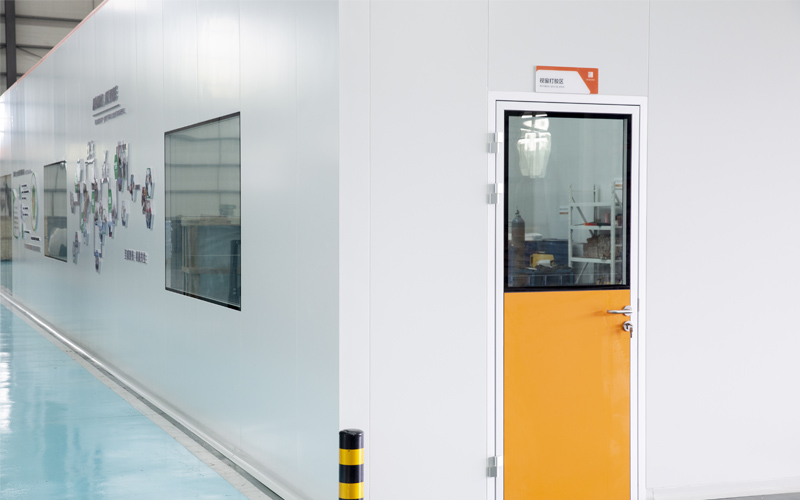
ISO 8 cleanrooms are controlled environments designed to maintain moderate levels of airborne particles and microbial contamination. These cleanrooms are widely utilized in industries such as pharmaceuticals, medical devices, electronics, food processing, and cosmetics. While ISO 8 cleanrooms allow higher particle counts than stricter classifications like ISO 5 or ISO 6, they still require rigorous certification and validation processes to ensure compliance with ISO 14644 standards and other regulatory requirements. Certification and validation confirm that the cleanroom consistently meets design specifications and operates under controlled conditions.
Achieving compliance with ISO 8 Clean Room Requirements involves both initial certification during construction and ongoing validation throughout the operational life of the facility. These processes verify that the cleanroom’s design, construction materials, HVAC system, airflow patterns, and operational practices collectively maintain particle levels within allowable limits. Certification and validation provide assurance to regulatory authorities, customers, and internal quality teams that the cleanroom environment is controlled and suitable for manufacturing or research activities.
Cleanroom Certification Process
Certification is typically performed after construction and installation of the ISO 8 cleanroom. The process involves a comprehensive evaluation of the facility to confirm that it meets the specified design and environmental requirements. Certification generally includes:
- Visual and Construction Inspection: Inspecting walls, ceilings, floors, doors, and furniture to ensure materials are compliant, surfaces are smooth and non-porous, and seals are intact to prevent air leaks.
- HVAC System Assessment: Verifying airflow rates, filtration, temperature, humidity, and pressure differentials to ensure they meet ISO 8 standards.
- Airflow Visualization and Mapping: Using smoke or fog tests to visualize airflow patterns and identify potential turbulence or dead zones where contamination may accumulate.
- Particle Count Testing: Measuring airborne particles of different sizes using calibrated particle counters under both static and dynamic conditions. Results are compared to ISO 14644-1 limits for ISO 8 cleanrooms.
- Environmental Testing: Evaluating temperature, humidity, and pressure consistency to ensure environmental parameters remain within acceptable ranges.
Certification is documented through a formal report, which includes test results, observations, and recommendations for corrective actions if any deviations are found. Successful certification confirms that the cleanroom is ready for operational use.
Validation Requirements
Validation is the ongoing process of confirming that an ISO 8 cleanroom continues to operate within specified limits during regular use. Validation ensures that environmental conditions, particle counts, and operational practices consistently meet ISO standards and regulatory expectations. Key validation activities include:
- Operational Qualification (OQ): Testing the cleanroom under normal operational conditions to ensure that processes, equipment, and personnel interactions do not compromise air quality.
- Performance Qualification (PQ): Conducting repeated particle and environmental monitoring during routine activities to verify consistent compliance over time.
- Cleaning and Disinfection Validation: Ensuring that cleaning protocols effectively control microbial and particulate contamination. This may include surface sampling, microbial testing, and documentation of cleaning procedures.
- Air Change and Filtration Verification: Confirming that the HVAC system maintains the specified air change rates, positive pressure, and filtration performance.
Validation must be performed periodically, with frequency determined by regulatory requirements, operational risk, or internal quality management policies. Any changes to the cleanroom layout, equipment, processes, or personnel practices require re-validation to ensure continued compliance.
Documentation and Record-Keeping
Proper documentation is critical to ISO 8 cleanroom certification and validation. Records should include test results, maintenance logs, cleaning schedules, training records, and any corrective actions taken. These documents provide traceability for audits, regulatory inspections, and internal quality assurance reviews. Comprehensive documentation ensures that compliance can be demonstrated and that deviations are identified and addressed promptly.
Key Compliance Challenges
Maintaining ISO 8 certification and validation requires addressing several challenges. Personnel adherence to gowning and hygiene protocols is critical, as human activity is a major source of contamination. Equipment and materials must be properly sanitized before entering the cleanroom. HVAC systems must be maintained to provide consistent airflow and filtration performance. Finally, regular monitoring and timely corrective actions are essential to prevent deviations from ISO standards.
Benefits of Certification and Validation
Certification and validation provide multiple benefits, including assurance of cleanroom performance, protection of product quality, regulatory compliance, and enhanced operational efficiency. They help organizations identify potential contamination sources and implement preventive measures. Validated cleanrooms also support risk management, reduce downtime, and improve confidence among stakeholders and customers.
Conclusion
ISO 8 cleanroom certification and validation are essential components of cleanroom management. By adhering to ISO 14644 standards and ISO 8 Clean Room Requirements, organizations can ensure that their facilities maintain controlled conditions, meet particle and microbial limits, and operate efficiently. Effective certification, ongoing validation, and proper documentation provide assurance of compliance, safeguard product quality, and support regulatory adherence across industries that rely on controlled environments.

George is the voice behind Wisdomised, a news blog dedicated to delivering fresh, engaging stories that keep readers both informed and entertained. With a sharp eye for current events and trending topics, George crafts posts that make complex news accessible and enjoyable. His unique perspective and storytelling skills bring a refreshing twist to every update, inviting readers to explore the world through Wisdomised.