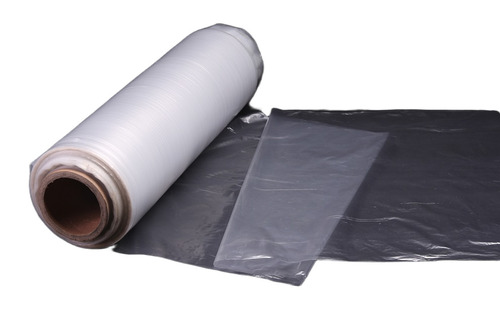
Water soluble films are innovative materials designed to dissolve completely in water, leaving no harmful residue behind. They are widely used in industries such as packaging, agriculture, healthcare, detergents, and textiles. As sustainability becomes a global priority, these films offer an effective alternative to conventional plastics. Understanding how water soluble film manufacturers produce dissolvable materials helps explain why they are reliable, versatile, and increasingly popular across many applications.
The core of water soluble film technology lies in polymer science, particularly the use of polymers that react predictably when exposed to water. Companies like experienced water soluble film manufacturers focus on creating films that dissolve at specific temperatures and rates, ensuring both safety and performance. By carefully controlling formulation, processing conditions, and quality standards, manufacturers can tailor dissolvable materials to meet diverse industrial needs while supporting environmental goals.
Selection of Raw Materials
The production process begins with the careful selection of raw materials. The most commonly used polymer is polyvinyl alcohol (PVA), known for its excellent water solubility, film-forming properties, and biodegradability. Manufacturers choose different grades of PVA depending on the desired dissolution speed, strength, and thickness of the final film.
In addition to PVA, plasticizers are added to improve flexibility and prevent brittleness. Common plasticizers include glycerol or sorbitol. Other additives may be included to enhance properties such as tensile strength, transparency, or resistance to humidity. The balance of these ingredients is critical, as even small changes can affect how the film behaves when exposed to water.
Polymer Dissolution and Mixing
Once the raw materials are selected, the polymer is dissolved in water under controlled temperature conditions. This step ensures that the PVA fully hydrates and forms a uniform solution. Precise temperature control is essential, as excessive heat can degrade the polymer while insufficient heat may lead to incomplete dissolution.
During mixing, plasticizers and functional additives are introduced into the solution. High-shear mixers are often used to ensure even distribution of all components. The result is a homogeneous polymer solution with consistent viscosity, which is vital for producing films with uniform thickness and performance.
Film Casting and Extrusion
After the polymer solution is prepared, it is transformed into a thin film through casting or extrusion. In the casting method, the solution is spread evenly onto a moving surface or belt. The thickness of the film is carefully controlled using precision equipment to meet specific application requirements.
Extrusion, on the other hand, involves pushing the polymer mixture through a flat die to form a continuous sheet. This method is often used for higher-volume production and allows for consistent quality across large batches. Both techniques require strict process control to prevent defects such as bubbles, uneven edges, or weak spots in the film.
Drying and Curing Process
Drying is a crucial stage in producing water soluble films. The freshly formed film still contains a significant amount of water that must be removed gradually. Manufacturers use controlled drying tunnels or chambers where temperature, airflow, and humidity are carefully managed.
Proper drying ensures that the film achieves the desired mechanical strength without cracking or warping. Over-drying can make the film brittle, while under-drying may affect shelf life and performance. Some films also undergo a curing process to stabilize their structure and improve consistency in dissolution behavior.
Quality Control and Performance Testing
Quality control plays a vital role in ensuring that dissolvable films meet industry standards. Manufacturers conduct extensive testing to evaluate thickness uniformity, tensile strength, elongation, and solubility. Dissolution tests are particularly important, as they confirm how quickly and completely the film dissolves under specific conditions.
Films may also be tested for compatibility with packaged contents, resistance to moisture during storage, and biodegradability. By maintaining strict quality protocols, manufacturers ensure that every batch performs reliably in real-world applications.
Packaging and Sustainable Distribution
Once approved, the finished films are carefully packaged to protect them from moisture and environmental exposure. Packaging materials are often selected to align with sustainability goals, using recyclable or minimal packaging wherever possible.
The production of water soluble films reflects a growing commitment to environmentally responsible manufacturing. Through advanced material science, precise processing, and rigorous quality control, water soluble film manufacturers continue to deliver dissolvable materials that reduce waste and support a cleaner future across multiple industries.

George is the voice behind Wisdomised, a news blog dedicated to delivering fresh, engaging stories that keep readers both informed and entertained. With a sharp eye for current events and trending topics, George crafts posts that make complex news accessible and enjoyable. His unique perspective and storytelling skills bring a refreshing twist to every update, inviting readers to explore the world through Wisdomised.