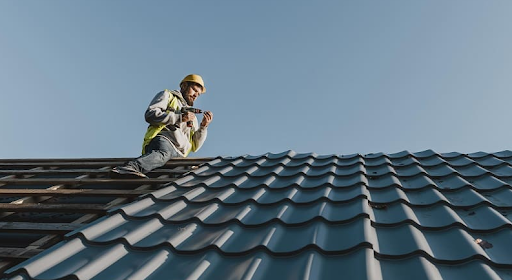
Auckland’s weather creates problems most homeowners don’t see coming. Salt spray drifts in from the coast. UV rays beat down relentlessly. Then sudden downpours arrive without warning, dumping massive amounts of rain in short bursts. All of this happens while humidity sits at levels that make everything feel damp year-round. Standard roofing approaches just don’t hold up under these conditions. That’s where roofing contractors in Auckland become genuinely important, not just convenient.
Climate Reality
Most people think rain is rain. But Auckland sits in a subtropical zone where moisture behaves differently. The humidity never really drops. It penetrates tiny gaps in materials, creating expansion and contraction that tears things apart slowly. This process happens invisibly over months and years. By the time homeowners notice, significant damage has already occurred. Local contractors have seen this pattern repeatedly. They’ve adapted their installation methods to counter it. Standard techniques used in drier regions fail here consistently.
Materials That Actually Work
Hardware stores stock dozens of roofing products. The packaging looks impressive. But most products weren’t designed for Auckland’s specific environment. Concrete tiles seem tough enough until you understand porosity ratings. Some tiles absorb water like sponges. Others repel it effectively. The difference matters enormously when dealing with driving rain and salt exposure. Experienced roofing contractors in Auckland know which manufacturers actually test in coastal conditions. They’ve watched certain products fail repeatedly whilst others last decades. That knowledge doesn’t come from marketing brochures.
Structural Problems Hiding in Plain Sight
Older Auckland homes carry a hidden weakness. The roof framing was built for lighter materials. Homeowners decide to upgrade from corrugated iron to tiles. The structure wasn’t designed for that weight. Gradual sagging begins immediately. Most people never notice until the damage becomes severe. Professional contractors check load-bearing capacity before recommending anything. They spot deteriorating timber and insufficient bracing that owners walk past daily. This assessment step gets skipped entirely in DIY projects.
Insurance Gets Complicated
Insurance companies have tightened their policies dramatically. They investigate roof claims thoroughly now. Unlicensed work gets discovered. Maintenance gaps become obvious. Claims get denied. Licensed roofing contractors in Auckland provide proper documentation automatically. Their maintenance records create evidence of responsible ownership. When storm damage happens and the assessor starts asking questions, that paper trail becomes crucial. Many homeowners learn this lesson expensively.
Council Requirements
Auckland Council’s consent process has layers most people never anticipate. Even repairs can trigger requirements depending on scope and modifications involved. The rules changed after the leaky building crisis. They’re stricter now. More detailed. Professionals deal with these requirements constantly. They know where the boundaries sit. Which projects need full consent. Which qualify for exemptions. How to present documentation that gets approved efficiently. This knowledge saves considerable time and frustration.
Modern Diagnostic Tools
Roofing has evolved beyond simple visual inspections. Thermal imaging reveals heat loss patterns invisible to the eye. Drones capture angles humans can’t safely access. Moisture meters detect trapped water before visible damage appears. These aren’t gimmicks. They’re diagnostic equipment that eliminates guesswork. A thermal camera shows exactly where insulation has failed. Moisture mapping identifies problems before rot sets in. DIY approaches can’t match this diagnostic precision.
Weather Timing Matters
Auckland’s climate demands strategic scheduling. There’s an optimal window between late spring and early autumn. Humidity levels drop enough for proper material curing. Adhesives bond correctly. Seals form properly. Working outside this window compromises the installation. Problems emerge years later when seals fail prematurely. Contractors understand these patterns from experience. Sometimes they’ll delay projects deliberately because conditions aren’t right, even when customers want immediate completion.
Ongoing Relationships
The real value shows up years after installation. Minor issues develop. A contractor familiar with your specific roof can diagnose problems remotely. They dispatch repairs quickly. Small issues get caught before emergency interventions become necessary. They maintain detailed records of your roof’s specifications and quirks. Previous repairs are documented. Future work becomes faster and more accurate. This knowledge about your specific property proves invaluable during urgent situations, especially weekend storms.
Conclusion
Auckland’s environment demands more than standard roofing approaches. The climate creates specific challenges that generic solutions simply can’t address. Roofing contractors in Auckland understand these local conditions through years of direct experience. They’ve learned what materials perform well and which ones fail consistently. This knowledge can’t be replicated through internet research or enthusiastic weekend projects. For homeowners committed to genuine long-term protection, this specialised expertise makes all the difference between adequate coverage and true reliability.

George is the voice behind Wisdomised, a news blog dedicated to delivering fresh, engaging stories that keep readers both informed and entertained. With a sharp eye for current events and trending topics, George crafts posts that make complex news accessible and enjoyable. His unique perspective and storytelling skills bring a refreshing twist to every update, inviting readers to explore the world through Wisdomised.