Gastric bypass attracts attention from people who want a structured and medically guided way to lose weight. Many individuals explore this option after trying diet changes, activity plans, and supervised programmes without lasting results. The procedure supports long-term weight management by combining reduced food intake with improved metabolic response. People considering Laparoscopic gastric bypass in Delhi often want clarity about eligibility, expectations, and possible outcomes. This article explains who may benefit from the surgery and what to understand before making a decision. The aim is to offer clear information without overwhelming medical language.
What is Gastric Bypass?
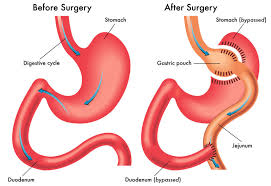
Gastric bypass works by creating a smaller stomach pouch and connecting it to a part of the small intestine. This setup limits food intake and affects how the body absorbs calories. Many centres now offer the procedure through small incisions. This reduces recovery time and lowers the physical impact of surgery. People exploring Laparoscopic gastric bypass in Delhi usually want a method that supports consistent results while keeping recovery manageable. The technique focuses on improving long-term weight control rather than offering quick changes. It also requires commitment to structured follow-up care.
Who Is Eligible for Gastric Bypass?
Many individuals want to know whether they meet standard medical guidelines before approaching a specialist.
Clinical Criteria
Eligibility often depends on a person’s Body Mass Index (BMI). A BMI of 40 or higher generally falls within the surgical range. People with a BMI between 35 and 39.9 may also qualify if they have health concerns related to weight. These may include type 2 diabetes, hypertension, or sleep-related breathing issues. Doctors assess overall health, nutrition, previous attempts at weight loss, and long-term commitment. The goal is to ensure that the individual is likely to benefit from the procedure and manage the changes that follow.
Readiness for Lifestyle Change
Gastric bypass requires consistent lifestyle adjustments after the surgery. Individuals must follow a structured eating pattern, attend follow-up appointments, and maintain an active routine. Specialists often assess psychological readiness because sustainable results depend on long-term discipline. People should have realistic expectations and understand that the surgery supports weight control rather than replacing healthy habits. Emotional preparedness is as important as medical suitability. Many candidates find this process helpful because it sets clear expectations for life after surgery.
Key Benefits of Gastric Bypass
Gastric bypass offers benefits beyond weight loss, supporting overall well-being.
Weight Loss Outcomes
People often notice progress within the first year after surgery. The reduced stomach capacity helps control portion size, while the rerouted intestine influences how the body handles calories. These changes work together to support steady weight reduction. Many individuals experience improved mobility, which encourages more activity. As a result, the procedure helps create a cycle that supports long-term weight management.
Improvement in Health Conditions
Some people see better control of type 2 diabetes after surgery. Others notice improvements in blood pressure, sleep quality, and joint comfort. Weight reduction may also ease strain on the heart and improve energy levels. These benefits motivate many individuals who explore Laparoscopic gastric bypass in Delhi, as the procedure offers a structured way to address health concerns linked to obesity. Better metabolic balance helps people feel more active and more comfortable in daily life.
Factors to Consider Before Deciding
Gastric bypass is a major medical decision, and careful evaluation is essential. People should understand that every surgery has potential risks. These may vary based on age, existing health conditions, and overall fitness. Doctors usually discuss nutrition management after surgery because the body absorbs nutrients differently. Follow-up appointments help track progress and prevent deficiencies. People must feel comfortable with the long-term commitment required. The procedure may not suit those who cannot maintain regular follow-ups or structured lifestyle changes. Realistic expectations support a better experience and improve long-term results.
When to Consult a Specialist
A brief line introduces this section. Many people consider a consultation when weight affects daily life or when health concerns persist. A specialist can check BMI, evaluate existing health issues, and review previous weight management attempts. A consultation also helps clear doubts about surgical methods, recovery time, and long-term expectations. People exploring options in Delhi can approach qualified bariatric experts for guidance. Early discussions help individuals understand whether they qualify and what changes they may need to prepare for. This step ensures that the decision remains informed and based on clear medical understanding.
Conclusion
People often seek long-term solutions when they face recurring challenges with weight control. Gastric bypass offers structured support for those who qualify, along with benefits that extend to overall health and daily comfort. Eligibility depends on BMI, related health concerns, and readiness for lifestyle changes. The procedure also requires ongoing follow-up and commitment to healthy habits. Individuals exploring Laparoscopic gastric bypass in Delhi can seek expert evaluation to understand their suitability. A clear discussion with a specialist allows people to make balanced decisions and plan for long-term health improvements with confidence.
