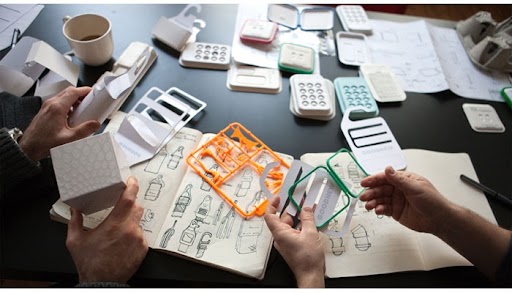
In today’s highly competitive marketplace, innovation drives success. Companies must continually create products that not only meet consumer needs but also stand out in the crowded market. Consumer product development is the strategic process that transforms a concept or idea into a tangible, market-ready product. It combines creativity, engineering, market research, and strategic planning to deliver products that delight customers and generate revenue.
Whether you are a startup launching your first product or an established company refreshing your portfolio, understanding the stages and best practices of consumer product development is essential for achieving long-term business success.
What Is Consumer Product Development?
Consumer product development (CPD) is the end-to-end process of conceptualizing, designing, testing, and launching products intended for mass market consumption. These products can range from electronics, clothing, and household goods to food, personal care items, and lifestyle products.
The goal of consumer product development is to create products that:
- Solve specific consumer problems
- Meet market demand
- Deliver a positive user experience
- Comply with safety and regulatory standards
- Are cost-effective to produce
A well-executed CPD process balances innovation with practicality, ensuring the final product is both functional and appealing.
Why Consumer Product Development Matters
1. Drives Innovation
Consumer product development enables companies to transform new ideas into practical solutions. Without structured development, even the most innovative ideas may fail to reach the market successfully.
2. Reduces Risk
Developing a product without a proper plan can result in wasted resources, missed deadlines, and product failure. CPD minimizes risks by including research, prototyping, and testing at every stage.
3. Improves Time to Market
A structured development process helps teams stay on track, ensuring products reach consumers faster while maintaining quality standards.
4. Enhances Customer Satisfaction
By focusing on user needs, CPD results in products that meet or exceed consumer expectations, fostering loyalty and brand trust.
5. Optimizes Cost and Efficiency
Effective CPD considers manufacturing feasibility, materials, and supply chain logistics early on, reducing production costs and avoiding costly redesigns.
The Consumer Product Development Process
1. Ideation & Conceptualization
The first step in consumer product development is generating ideas. This involves:
- Market research to identify gaps or opportunities
- Brainstorming sessions
- Consumer surveys and focus groups
- Feasibility analysis
At this stage, companies prioritize ideas based on potential impact, technical feasibility, and profitability.
2. Design & Prototyping
Once an idea is selected, designers and engineers create initial product concepts. This includes:
- Sketches and 3D models
- Material selection
- Functional prototypes
- Iterative design improvements
Prototyping allows teams to test concepts, identify issues, and refine the product before committing to large-scale production.
3. Engineering & Development
In this phase, the product is engineered for functionality, safety, and manufacturability. Key activities include:
- Detailed mechanical and electrical design (for tech products)
- Selection of production methods
- Packaging design
- Integration of technology, if applicable
This ensures the product meets all functional and safety requirements while remaining cost-effective.
4. Testing & Validation
Before a product reaches the market, it must undergo rigorous testing to ensure it is safe, reliable, and user-friendly. Testing may include:
- Quality assurance and durability testing
- Safety compliance (FDA, CE, UL, etc., if applicable)
- Consumer usability testing
- Environmental impact assessment
Validating the product reduces the risk of recalls or negative consumer feedback.
5. Manufacturing & Supply Chain Planning
Effective consumer product development includes planning for large-scale production:
- Supplier and vendor selection
- Production line setup
- Quality control procedures
- Logistics and distribution planning
This phase ensures a seamless transition from prototype to market-ready product.
6. Marketing & Launch Strategy
Successful product launch relies on a well-planned marketing strategy:
- Identifying target audience and value proposition
- Branding and packaging design
- Sales channel selection (retail, e-commerce, B2B)
- Marketing campaigns and promotions
A strong launch strategy maximizes visibility and accelerates adoption.
7. Post-Launch Evaluation
After the product enters the market, it’s essential to monitor performance and gather consumer feedback:
- Sales analytics
- Customer reviews and ratings
- Product improvement ideas
- Iterative updates or new versions
Post-launch evaluation informs future product development cycles.
Benefits of Professional Consumer Product Development Services
- Expertise across multiple domains: Designers, engineers, marketers, and project managers collaborate to create innovative solutions.
- Faster and efficient development cycles due to structured processes.
- Higher quality and reliability through rigorous testing and validation.
- Better market fit by focusing on consumer needs.
- Cost savings by identifying issues early and optimizing manufacturing.
By leveraging professional services, companies can maximize the likelihood of market success.
FAQ: Consumer Product Development
1. How long does consumer product development take?
Development cycles vary depending on complexity, from 6 months for simple products to 2+ years for advanced electronics or complex consumer goods.
2. How much does it cost to develop a new consumer product?
Costs depend on product complexity, prototyping, materials, and marketing. Simple products may cost $10,000–$50,000, while complex electronics or medical devices can exceed $200,000.
3. Can startups use consumer product development services?
Yes. Startups often benefit most from professional CPD services because they provide expertise and reduce risks.
4. Are patents or IP protection part of the process?
Many CPD services assist with documentation and design considerations that support patent applications.
5. Do these services handle both physical and digital products?
Yes. Many companies offer end-to-end solutions for physical consumer products, digital products, or hybrid solutions that combine both.
6. How can consumer product development improve product-market fit?
By conducting market research, consumer testing, and usability studies, CPD ensures the product meets real user needs, improving adoption and satisfaction.
Disclaimer
This article is intended for informational and educational purposes only. It does not constitute legal, engineering, or manufacturing advice. Companies should consult qualified professionals before developing or launching any consumer product development.
