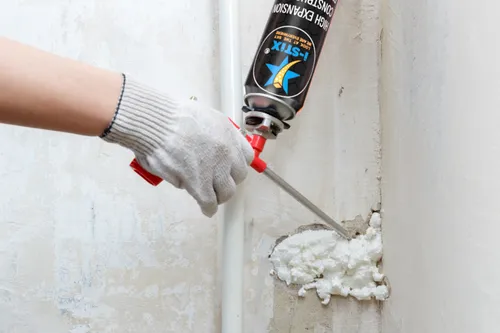
Sealing gaps around doors and windows is essential for energy efficiency, comfort, and protection against moisture and noise. PU foam sealant is a highly effective solution, offering insulation, airtight sealing, and durability. When applied correctly, it prevents drafts, reduces energy bills, and enhances overall indoor comfort. This step-by-step guide provides a clear approach to using PU foam sealant for doors and windows to achieve professional results.
Choosing the Right PU Foam Sealant
Before beginning, it is important to select a suitable PU foam sealant for door and window applications. For those looking for high-quality options, PU foam sealant is available in formulations specifically designed for residential and commercial use. Outdoor-grade foams offer additional weather resistance, while general-purpose foams are ideal for interior installations. Selecting the correct type ensures proper adhesion, expansion, and long-term performance.
Step 1: Prepare the Area
Proper surface preparation is crucial for effective sealing. Begin by removing any old caulking, dust, dirt, and debris around the door or window frame. Ensure the surfaces are dry and free of grease or oil, as moisture can prevent proper adhesion. Cover surrounding surfaces with masking tape or protective sheeting to prevent foam from sticking where it is not intended.
Step 2: Gather Tools and Safety Gear
For precise and safe application, gather the following:
- Foam gun or nozzle for controlled dispensing
- Protective gloves and clothing
- Safety goggles
- Utility knife for trimming
- Clean cloth or brush for surface preparation
Wearing protective gear is essential, as uncured foam is sticky and can irritate skin and eyes.
Step 3: Apply the Foam Sealant
1. Shake the Foam Canister
Before use, shake the PU foam sealant canister vigorously for the recommended time to ensure uniform consistency. Proper mixing ensures consistent expansion and curing.
2. Test Dispensing
Test the foam on a scrap surface or small area to get a feel for its expansion rate. PU foam sealant expands significantly, so controlled application is important to avoid overfilling.
3. Fill Gaps Gradually
Insert the nozzle into the gap between the door or window frame and the wall. Apply foam slowly, filling the gap about halfway, as it will expand to fill the remaining space. For larger cavities, apply the foam in layers to ensure even filling and prevent overflow.
Step 4: Allow the Foam to Cure
Curing time varies depending on the product and environmental conditions, typically ranging from 1 to 24 hours. Avoid disturbing the foam during this period to ensure proper expansion and adhesion. Cured foam forms a rigid and durable barrier that seals the gap effectively.
Step 5: Trim Excess Foam
Once the foam has fully cured, use a utility knife to trim any excess protruding from the gap. Trimming provides a clean finish and allows for painting or installation of trim, ensuring a neat appearance.
Step 6: Finish and Inspect
After trimming, inspect the seal to ensure all gaps are filled and there are no voids. For exterior doors and windows, check for weatherproofing and apply additional caulking or protective coatings if necessary. Proper finishing not only enhances aesthetics but also ensures optimal insulation and protection against air, moisture, and noise.
Additional Tips for Effective Application
- Apply at the Correct Temperature: Most PU foams perform best between 20°C and 30°C (68°F and 86°F). Extreme temperatures can affect curing and expansion.
- Work in a Well-Ventilated Area: Ensure adequate airflow when working indoors to minimize inhalation of fumes.
- Store Foam Properly: Keep unused foam in a cool, dry place, upright and sealed, to maintain its effectiveness.
- Clean Tools Immediately: Clean the foam gun or nozzle after use to prevent blockage and ensure consistent application in future projects.
Benefits of Using PU Foam Sealant for Doors and Windows
Applying PU foam sealant provides several advantages:
- Reduces drafts and maintains consistent indoor temperatures.
- Minimizes energy bills by improving insulation.
- Prevents water intrusion and moisture damage.
- Reduces noise transmission from outside.
- Provides long-lasting durability with minimal maintenance.
Conclusion
Using PU foam sealant around doors and windows is an effective way to improve energy efficiency, comfort, and protection from the elements. By selecting the right foam, preparing surfaces properly, applying it carefully, and finishing with trimming and inspection, homeowners and contractors can achieve professional-quality results. Following this step-by-step guide ensures that every installation maximizes insulation, reduces noise, and prevents air and moisture leaks, enhancing the overall performance and longevity of doors and windows.

George is the voice behind Wisdomised, a news blog dedicated to delivering fresh, engaging stories that keep readers both informed and entertained. With a sharp eye for current events and trending topics, George crafts posts that make complex news accessible and enjoyable. His unique perspective and storytelling skills bring a refreshing twist to every update, inviting readers to explore the world through Wisdomised.