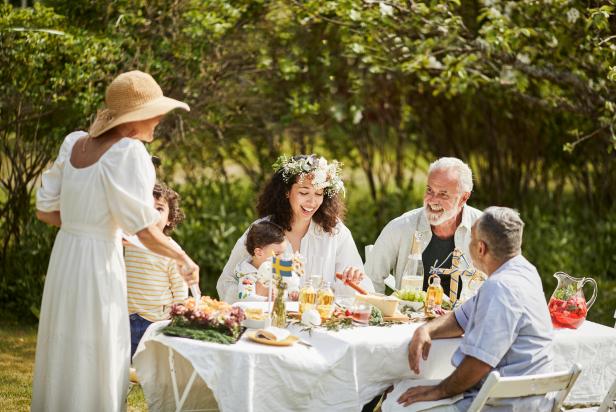
The Summer Solstice often called midsummer or the longest day of the year is an astronomical event when one of Earth’s poles tilts most toward the Sun. In the Northern Hemisphere, the solstice usually falls on June 20 or June 21. On that day, daylight lasts longer than any other day of the year — the sun reaches its highest point in the sky at noon.
For millennia, many cultures observed the summer solstice as a time of renewal, abundance, and connection to nature.How to celebrate the summer solstice?
Whether you view the solstice as a scientific milestone or a spiritual event — or both — it offers a chance to pause and celebrate life, growth, and light.
Spiritual Meaning of the Summer Solstice
The summer solstice carries symbolic weight beyond astronomy. For many, it marks a peak of solar energy — a moment of light, clarity, and transformation.
Here are common spiritual themes associated with the solstice:
- Renewal and growth: The solstice invites reflection on personal growth and intentions. People often use this time to set intentions or goals, symbolizing the growth of light and life.
- Connection to nature: Celebrating the solstice is a way to honor the Earth — the sun’s power, natural cycles, and our place in the web of life.
- Mindfulness and inner balance: Some people meditate, practice mindful breathing, or use rituals like sun‑gazing and visualization to harness the solstice’s energy and attune to inner peace.
- Symbolic release and intention setting: The solstice can act as a milestone — a moment to let go of negativity or outdated habits and to focus on hopes for the months ahead.
Whether or not you follow a spiritual tradition, these themes can be meaningful — the solstice invites a moment of pause, reflection, and reconnection with self and nature.
How to Celebrate the Summer Solstice: Spiritual & Mindful Practices
Here are ways to observe the solstice in a simple, meaningful way:
- Sunrise or sunset meditation: Rise early or stay out until sunset, and spend a few quiet minutes in meditation or mindful breathing — imagine sunlight flowing through you, letting go of mental clutter.
- Nature ritual: Walk barefoot on grass or dew‑wet ground early in the morning; many traditions recommend greeting the first light of the solstice by connecting with Earth.
- Create a nature altar: Use fresh flowers, herbs, or other natural elements — place them somewhere central to symbolize nature’s gift and your connection.
- Intention setting or journaling: Write down hopes, goals, or things you want to release — treat solstice as a reset point for personal growth, gratitude, or renewal.
- Sun‑bathing or gentle sun exposure: Safely spend a short time in sunlight (with proper care), either outdoors or in a sunny spot at home — acknowledging the power of the sun and natural light.
These simple rituals help anchor the solstice’s meaning and make the day intentional — connecting inner life with the outer world.
Summer Solstice Activities for Kids & Family
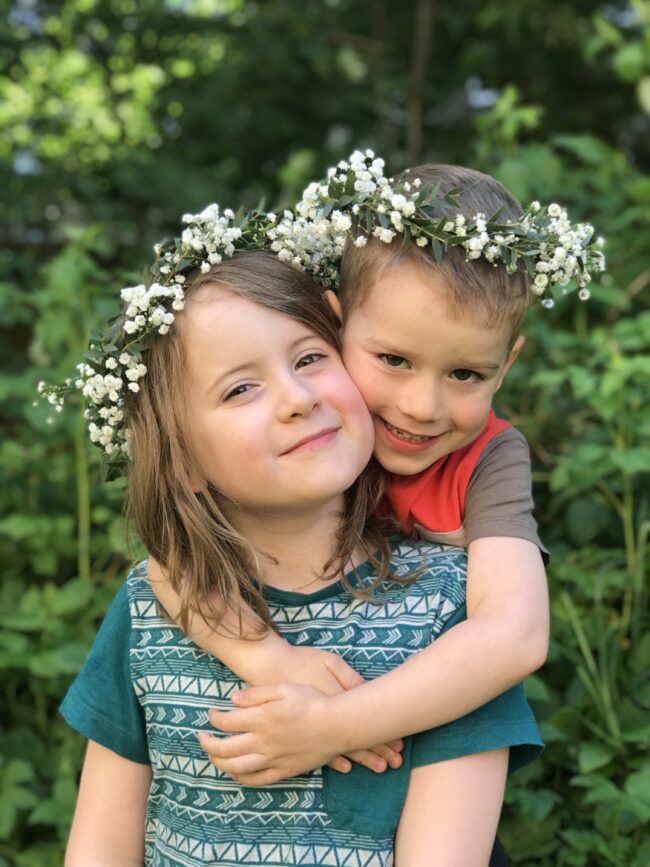
Celebrating the solstice with children can add joy, creativity, and connection to nature. Here are some easy and fun ideas suited for families and kids:
- Flower crowns or garlands: Gather fresh flowers or herbs and weave crowns or garlands — a classic solstice craft that connects kids to old summer traditions.
- Sun‑art or sun‑prints: Use paper and natural materials (leaves, flowers, etc.) to create sun‑prints. Leave in sunlight for a few hours and reveal silhouettes — a simple solar experiment and art activity.
- Nature scavenger hunt: Make a list of natural items — leaves, stones, flowers, insects — and explore the garden or nearby park. This helps kids observe seasonal changes and connect with their environment.
- Garden or plant‑based activity: Plant summer flowers, herbs, or vegetables; or teach kids to care for plants. Gardening helps them connect with the Earth and understand cycles of growth.
- Outdoor picnic or family meal: Have a meal outside — under the sun or at sunset. Use seasonal produce or simple snacks, and enjoy fresh air, light, and togetherness.
- Story‑telling or sun poetry: Encourage kids to write poems or short stories about the sun, summer, nature — or read them books about seasons and nature. A creative way to deepen awareness and imagination.
These activities make solstice accessible, memorable, and meaningful — especially for families with children.
Solstice Party Ideas — Gathering, Fun & Community
If you want to celebrate the solstice with friends or community, you can plan a small solstice‑themed gathering. Here are ideas for a solstice party that blends fun, nature, and reflection:
- Outdoor evening gathering or picnic: Invite friends and family for a gathering outdoors — in a garden, park or backyard. Share food, drinks, and conversation as the sun travels through the sky — perhaps light up as sun sets.
- Flower‑crown station: Provide flowers, leaves, herbs, and ribbons for guests (especially kids) to weave their own crowns or garlands. A simple, shared craft to connect everyone with nature.
- Sun‑inspired potluck or seasonal foods: Emphasize seasonal produce, fruits, herbs — make salads, fruit platters, sun‑shaped treats. Eating fresh, bright food fits the spirit of summer sunlight and growth.
- Nature walk or scavenger hunt for group: Organize a gentle walk, or a scavenger hunt suitable for all ages — nature items, leaves, stones, flower petals, etc. Great for families and kids.
- Sun‑blessing or intention activity: Invite each guest to write an intention or wish on a piece of paper and then do a short ritual — collecting them together, burying under a plant, or simply reading aloud. This can create a sense of shared reflection and hope.
- Evening bonfire or candle gathering (weather and safety permitting): Many traditional solstice celebrations use fire — bonfire or simple candles — to mark the power of the sun and light. If it’s safe and allowed, a small fire or candles can add symbolic meaning.
These ideas help create a balance of fun, connection, nature, and reflection — making your solstice celebration inclusive and meaningful.
Why Celebrate Summer Solstice — Benefits for Mind, Body, and Spirit
Observing the summer solstice offers several potential benefits for individuals, families, and communities:
- Reconnect with natural rhythms: In a world of constant screen time and indoor life, solstice encourages stepping outside, feeling sunlight, engaging with nature. This can bring calm and grounding.
- Encourage family and community bonding: Celebrating together — crafts, meals, walking — builds shared memories and strengthens relationships across generations.
- Support mindfulness and inner balance: Rituals like meditation, intention‑setting or nature walks can provide mental clarity, inner calm, and renewed focus — especially when life feels busy or chaotic.
- Foster creativity and learning: Crafts, nature hunts, art and gardening can spark curiosity in children and adults — a chance to learn about seasons, plants, the sun, and Earth.
- Celebrate life and gratitude: The solstice is a reminder of light — a symbol of growth and life. It’s a chance to feel gratitude: for sun, nature, relationships, and our place on Earth.
How to Celebrate the Summer Solstice — Step by Step Guide
Here’s a simple plan you can follow to celebrate the summer solstice meaningfully:
- Plan ahead: Choose a date (June 20 or 21, depending on your year) and decide whether you want a quiet personal ritual, a family day, or a group gathering.
- Gather materials: Flowers, herbs, paper, pens, picnic foods, outdoor space, blankets or cushions, maybe candles — depending on whether you want crafts, food, or ritual.
- Start with sunrise or early morning: If possible, greet the dawn — go outside, feel the first light, do meditation or breathing exercises, or a barefoot walk on grass/dew.
- Engage in nature and creativity: Do crafts (flower crowns, sun art), gardening, nature walks or scavenger hunts with kids; encourage exploration and observation.
- Share a meal or picnic: Use seasonal produce, simple snacks. Eat outdoors if weather allows. Share food and conversation under sunlight or as sunset nears.
- Set intentions or rituals: Invite everyone to write intentions or wishes. You might plant a seed, bury a wish, light a candle — something symbolic to mark growth, hopes, or change.
- End with reflection: As the day ends, perhaps watch sunset, share thoughts, express gratitude, or discuss what the solstice means to you — personally or as a group.
Even a simple version of this plan can make the solstice feel special — rooted in nature, connection, and meaning.
Bringing it All to Life — Suggestions for Wisdomised & Wordscraze Readers
For readers of Wisdomised and Wordscraze, this article aims to offer a practical and mindful approach to the summer solstice. Here are some suggestions tailored to your audiences:
- On Wisdomised, highlight the spiritual and philosophical side why solstice matters, how to use it for reflection, inner balance, connection with Earth.
- On Wordscraze, with a focus on creativity, words, writing, and learning offer solstice‑related writing prompts: nature poems, sun‑inspired stories, personal reflections, journal entries.
- For both sites: encourage readers to share their own solstice experiences photos of flower crowns, stories from their solstice day, poems or reflections inspired by sunlight.
By blending practical ideas, spiritual meaning, family activities, and creative opportunities, the solstice becomes more than a date it becomes a living practice, a moment of pause, renewal, and community.
Conclusion
The summer solstice marks a natural milestone — the longest day of the year. It is a chance to pause, reflect, connect with light, nature and community. Whether you treat it as a spiritual event, a family day, a creative moment, or a simple celebration — it can bring warmth, presence, and meaning.
From quiet sunrise meditations to flower‑crown crafts, nature hunts for kids to sunlit picnics with friends — there are many ways to honor the solstice. What matters is intention: acknowledging the sun’s gift, the Earth’s rhythms, and our place in it all.
